How Flex-Shaft Drain Cleaning Safely Removes Stubborn Buildup Without Pipe Damage
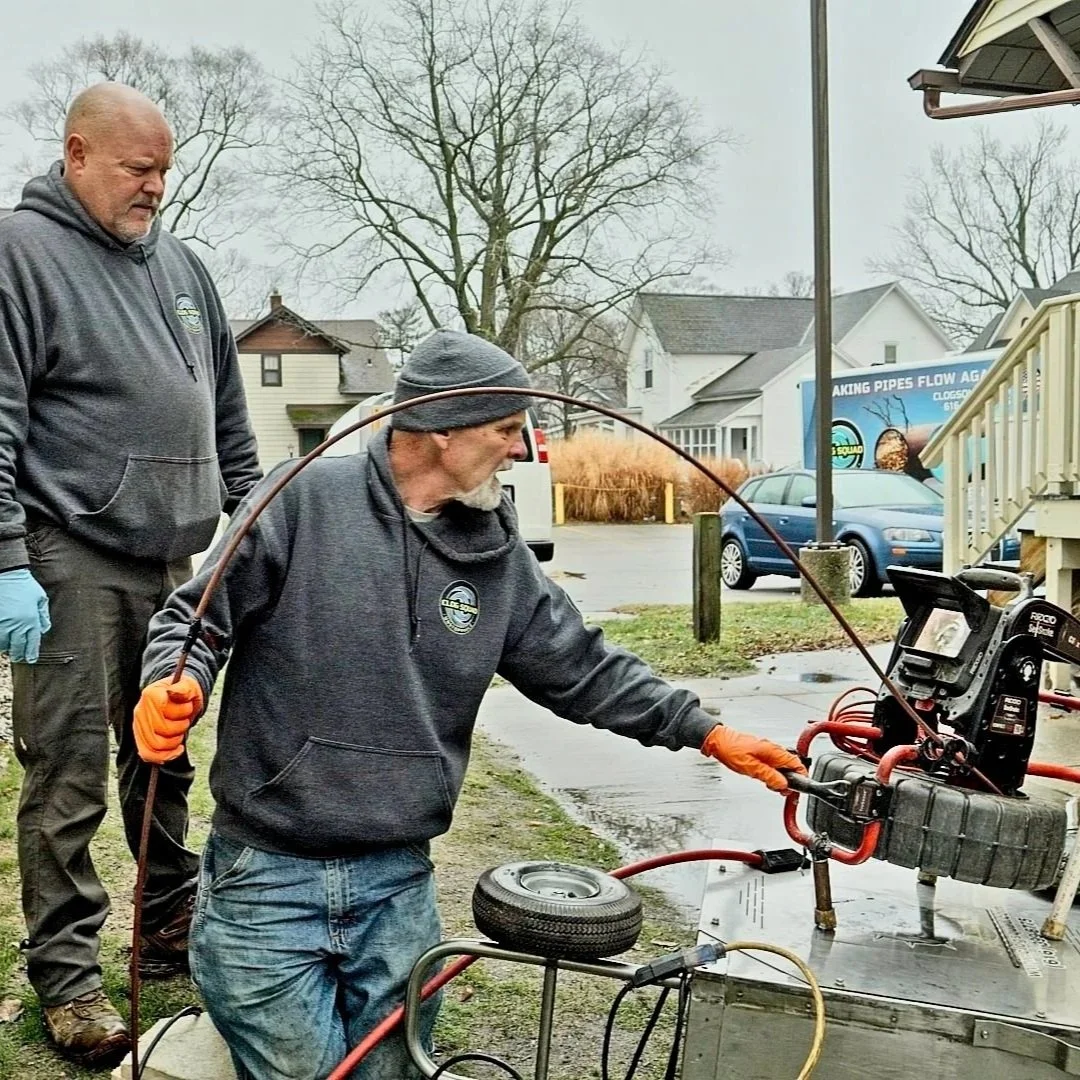
Technicians performing flex-shaft drain cleaning to remove stubborn pipe buildup safely while protecting aging plumbing from unnecessary damage.
Flex-shaft drain cleaning sounds like a newer industry buzzword, but the technology solves an ancient problem that homeowners have dealt with for decades. Drains clog, cleaning methods get aggressive, and pipes suffer the consequences. Many traditional approaches rely on force, either by punching through blockages or blasting pipe walls with pressure that older systems cannot tolerate. Flex-shaft drain cleaning approaches the problem differently. Instead of overpowering the pipe, it focuses on controlled, targeted removal of buildup while respecting the condition of the system itself.
In real homes, especially those with aging plumbing, stubborn buildup develops slowly and becomes difficult to remove without risking damage. Grease hardens, scale thickens, and roots or debris cling tightly to pipe walls. Homeowners often bounce between ineffective DIY methods and overly aggressive professional tools that trade short-term success for long-term harm. Flex-shaft drain cleaning fills the gap by providing a precise way to thoroughly clean pipe interiors without compromising structural integrity. Understanding how it works explains why it has become a preferred solution in many situations where other methods fall short.
What Flex-Shaft Drain Cleaning Actually Is
Flex-shaft drain cleaning uses a rotating cable housed in a flexible protective sheath, paired with specialized cleaning heads that scrape and agitate buildup from pipe walls. Unlike traditional snakes, the cable itself does not whip or grind directly against the pipe. The outer sheath stabilizes the system, while the rotating head performs the cleaning. This design allows controlled contact with the buildup rather than uncontrolled force against the pipe material.
Professional drain cleaning services rely on flex-shaft systems when precision matters. The tool adapts to bends, transitions, and varying pipe diameters while maintaining consistent contact with interior surfaces. Because the rotation stays centered and controlled, flex-shaft drain cleaning removes buildup evenly around the pipe circumference. That full-contact approach distinguishes it from methods that clear only a narrow channel through debris.
Why Traditional Snaking Often Damages Pipes
Traditional drain snakes solve immediate blockages by force. The cable spins freely, pushing through obstructions until water begins flowing again. While effective in emergencies, this approach introduces risks, especially in older systems. Metal cables scrape the inside of pipes, accelerating corrosion in cast iron or chipping clay pipes at joints. Over time, repeated snaking accelerates wear and creates rough surfaces that trap debris faster.
Flex-shaft drain cleaning avoids direct cable-to-pipe contact. The rotating head scrapes the buildup rather than grinding pipe material. This difference becomes critical in fragile or aging plumbing systems, where excessive force can lead to leaks or collapse. Professional drain cleaning services use flex-shaft tools specifically to protect pipe integrity while thoroughly addressing stubborn buildup.
How Flex-Shaft Technology Targets Buildup Instead Of Pipes
The cleaning heads used in flex-shaft drain cleaning vary based on the type of buildup present. Some heads scrape grease and sludge, while others break apart mineral scale or light root intrusion. The focus remains on the material clogging the pipe rather than the pipe itself. Controlled rotation allows technicians to adjust speed and pressure precisely, matching the resistance encountered inside the line.
This targeted action prevents the tool from digging into pipe walls—instead, buildup peels away gradually and flushes downstream. Professional drain cleaning services value this level of control because it minimizes unintended consequences. Removing buildup without scarring the pipe interior preserves smooth surfaces that resist future accumulation.
Why Flex-Shaft Drain Cleaning Excels In Older Homes
Older homes present unique challenges. Cast iron, clay, and early PVC systems often show decades of wear. Corrosion, pitting, and minor cracks make aggressive cleaning risky. Hydro jetting may exceed safe pressure levels, while snaking can worsen internal damage. Flex-shaft drain cleaning provides a middle ground that respects material limitations.
In cast iron pipes, flex-shaft tools remove rust flakes and scale without enlarging corrosion pits. In clay pipes, controlled heads clear debris without aggressively striking joints. Professional drain cleaning services often recommend flex-shaft cleaning as a safer alternative for older systems that still require thorough cleaning. This approach extends pipe life rather than shortening it.
The Difference Between Channel Cleaning And Full-Surface Cleaning
Channel cleaning opens a path through debris, allowing water to pass while leaving residue behind. Full-surface cleaning restores the pipe interior more completely. Flex-shaft drain cleaning focuses on full-surface contact, scraping buildup from the entire circumference rather than carving a single channel.
This distinction explains why flex-shaft results last longer than partial methods. Residual buildup accelerates recurrence by catching new debris. Full-surface cleaning reduces friction and improves flow velocity, helping waste move efficiently. Professional drain-cleaning services use flex-shaft systems to break the cycle of recurring clogs caused by incomplete cleaning.
How Flex-Shaft Drain Cleaning Handles Grease Buildup
Grease behaves stubbornly inside drains. It coats pipe walls, hardens, and resists simple flushing. Snaking often punches through grease without removing it. Hydro jetting can effectively remove grease, but risks pipe damage when pressure exceeds the capacity of fragile materials.
Flex-shaft drain cleaning scrapes grease layers methodically. Rotating heads peel grease away from pipe walls, breaking it into manageable pieces that flush out naturally. The controlled action avoids heat or chemical reactions that push grease farther down the line. Professional drain-cleaning services rely on this method for kitchen drains plagued by chronic grease buildup.
Mineral Scale And Hard Water Deposits
Mineral scale develops slowly as hard water evaporates inside pipes, leaving calcium and magnesium deposits behind. Over time, scale hardens into a rock-like layer, narrowing the pipe diameter. Snaking rarely removes scale effectively, and hydro jetting may struggle without high pressure.
Flex-shaft drain cleaning excels at scale removal when paired with the right head. The rotating action fractures brittle deposits without damaging pipe walls. Professional drain-cleaning services often use flex-shaft tools for scale-heavy systems, where gradual removal is safer than forceful blasting.
Biofilm And Odor-Causing Residue
Biofilm coats the interior of pipes with organic material that supports bacterial growth. This residue produces odors and accelerates buildup by trapping debris. Partial cleaning leaves biofilm behind, allowing odors to return quickly.
Flex-shaft drain cleaning removes biofilm mechanically rather than masking it. Scraping action eliminates the food source bacteria rely on, improving sanitation and reducing odor recurrence. Professional drain cleaning services view odor issues as indicators of incomplete cleaning, making flex-shaft methods particularly effective for persistent smell complaints.
Root Intrusion And Light Structural Issues
Tree roots infiltrate pipes through small cracks or joints, growing inward over time. Heavy root masses may require cutting or structural repair, but early-stage intrusion responds well to flex-shaft cleaning. Specialized heads cut and remove fine roots without aggressively striking pipe walls.
Flex-shaft drain cleaning carefully addresses root intrusion, removing growth while preserving pipe condition. Professional drain cleaning services use this approach when roots appear manageable, and the pipe structure remains sound. Early intervention delays more invasive repairs and reduces disruption.
Why Camera Inspection Pairs Well With Flex-Shaft Cleaning
Camera inspection guides effectively for flex-shaft drain cleaning. Visual confirmation of buildup type, location, and severity allows technicians to select appropriate heads and adjust technique. Inspection also reveals pipe condition, highlighting areas where caution matters most.
Professional drain-cleaning services rely on inspection to avoid unnecessary force. Flex-shaft tools work best when applied deliberately rather than blindly. Seeing progress during cleaning confirms thorough removal and helps identify structural issues that cleaning alone cannot resolve.
Comparing Flex-Shaft Cleaning To Hydro Jetting
Hydro jetting and flex-shaft drain cleaning serve different purposes. Hydro jetting excels in high-pressure systems. Flex-shaft cleaning suits pipes requiring gentler treatment. In many cases, flex-shaft methods prepare pipes for jetting by removing hardened buildup that would otherwise resist water pressure.
Professional drain cleaning services choose between methods based on pipe material, condition, and buildup type. Flex-shaft cleaning offers versatility and control, while hydro jetting introduces unnecessary risk. Understanding this distinction helps homeowners appreciate why one method suits their situation better than another.
How Flex-Shaft Drain Cleaning Extends Pipe Lifespan
Pipe lifespan depends on internal condition as much as external factors. Rough surfaces accelerate buildup, while smooth interiors promote efficient flow. Aggressive cleaning methods often worsen internal damage, shortening pipe life even as they clear clogs.
Flex-shaft drain cleaning preserves interior surfaces by focusing on buildup removal rather than pipe abrasion. Professional drain cleaning services favor this method for maintenance cleaning, prioritizing longevity. Over time, gentler cleaning reduces corrosion progression and delays costly replacement.
When Flex-Shaft Cleaning Reaches Its Limits
No cleaning method solves every problem. Pipes with severe collapse, extensive corrosion, or major misalignment require repair or replacement. Flex-shaft drain cleaning reveals these limitations by removing debris that hides underlying damage.
Professional drain cleaning services treat flex-shaft cleaning as both a solution and a diagnostic step. When cleaning exposes structural failure, homeowners gain clarity rather than false confidence. Knowing when to escalate protects property and prevents repeated frustration.
Why Experience Matters With Flex-Shaft Systems
Flex-shaft drain cleaning offers precision, but results depend on operator skill. Incorrect speed, pressure, or head selection reduces effectiveness or risks damage. Professional drain-cleaning services rely on training and experience to properly apply flex-shaft technology.
Experienced technicians recognize resistance patterns, adjust technique, and know when to stop. This judgment separates successful cleaning from unnecessary wear. Flex-shaft tools reward expertise, making professional application essential for optimal results.
FAQs
What makes flex-shaft drain cleaning safer than traditional snaking?
+Flex-shaft systems keep the rotating cable inside a protective sheath, preventing direct contact with pipe walls and reducing abrasion and damage.
Can flex-shaft drain cleaning remove heavy grease buildup?
+Flex-shaft drain cleaning effectively scrapes hardened grease from pipe walls, making it well-suited for kitchen drains with chronic grease problems.
Is flex-shaft drain cleaning suitable for older pipes?
+Older pipes often benefit most from flex-shaft cleaning because the controlled action removes buildup without stressing fragile materials.
Does flex-shaft cleaning replace hydro jetting?
+Flex-shaft cleaning does not replace hydro jetting but complements it. Method selection depends on pipe condition, material, and buildup type.
How long do results from flex-shaft drain cleaning last?
+Results typically last longer than partial cleaning because flex-shaft methods remove buildup more completely, reducing the chance of rapid recurrence.
Clog Squad offers one-stop solution for professional drain cleaning, including hydro jetting, pipe lining, pipe milling, and camera inspections. Our experienced team services advanced equipment with a focus on removing stubborn clogs, restoring proper flow, and ensuring long-term performance. Whether you need emergency drain clearing or a full pipe restoration, we provide trusted workmanship and over 20 years of expertise. Refresh your drainage system today and enjoy reliable, hassle-free performance.