


Emergency Sewer Backup
Our Quick Emergency Sewer Backup In Holland, MI
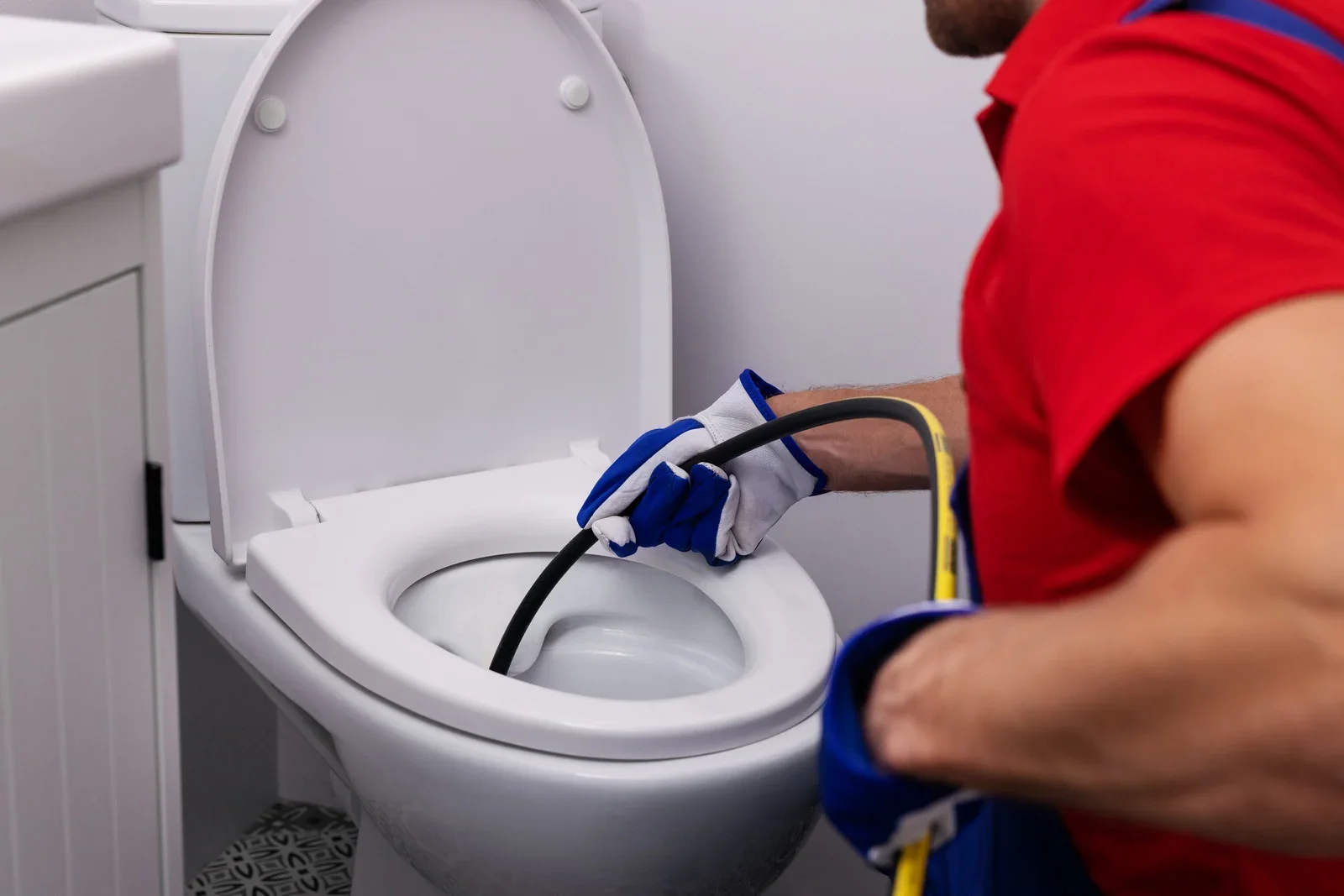
Our emergency sewer backup services in Holland, MI, focus on responding quickly when wastewater begins moving in the wrong direction. Sewer backups often occur without warning and can affect toilets, floor drains, basements, and lower-level fixtures. We work with homeowners during stressful situations to identify the source of the blockage and stop further intrusion, helping reduce damage while restoring safe drainage as soon as possible.
Emergency sewer backups usually occur when the main sewer line becomes blocked or overwhelmed. Grease buildup, debris, tree roots, or collapsed sections can prevent wastewater from leaving the home. As pressure builds, water seeks the lowest point of exit. Addressing the problem promptly matters because continued flow can spread contamination and increase cleanup needs. Our approach centers on locating the restriction and relieving pressure inside the system.
A quick response also helps protect long-term plumbing health after a backup. Clearing the blockage and assessing pipe condition helps prevent repeat incidents and ongoing drainage issues. By focusing on immediate stabilization and clear communication, we help homeowners understand what happened, what was resolved, and what steps support safer system performance moving forward.
Reviews

Types of Emergency Sewer Backup Services We Offer In Holland, MI

Main Sewer Line Blockage Response
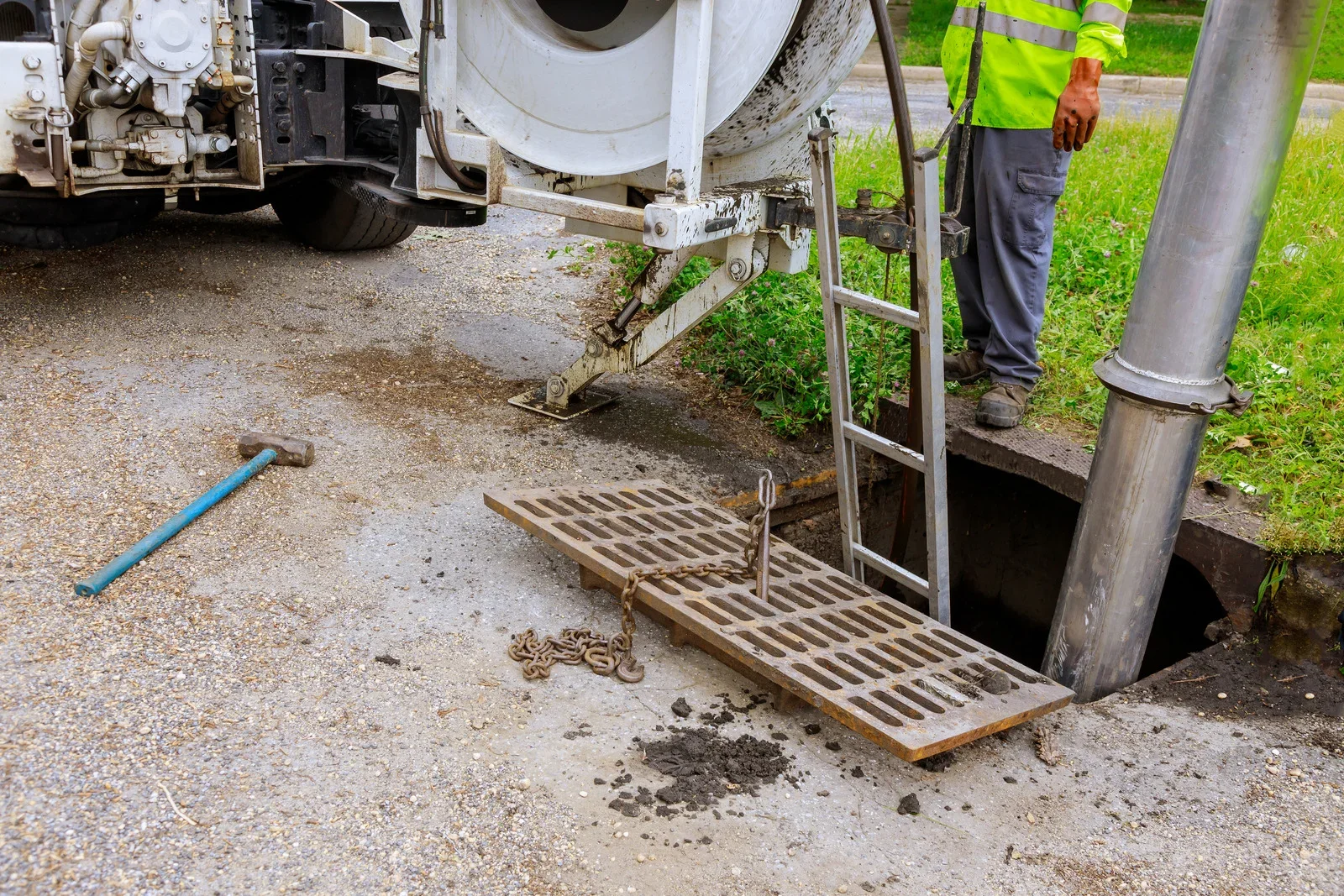
Main sewer line blockages occur when debris, grease, or roots stop wastewater from leaving the home. Water may rise from toilets or floor drains as pressure builds. Rapid response focuses on locating the blockage and relieving pressure to stop further intrusion. Addressing the main line matters because it restores safe drainage for all connected fixtures and helps limit contamination spread.

Basement And Floor Drain Backup Control
Basement and floor drain backups often appear first because they sit at the lowest point of the plumbing system. Homeowners may notice standing water or sewage pooling on the floor. Controlling these backups matters because lower levels face the highest risk of damage. Clearing the obstruction helps redirect flow back toward the sewer and reduces cleanup impact.

Toilet And Fixture Overflow Stabilization
Toilets and lower fixtures can overflow when sewer lines become overwhelmed. Water levels may rise unexpectedly during flushing or normal use. Stabilizing these overflows matters because continued use can worsen flooding. Isolating the cause and restoring flow helps prevent additional exposure while allowing fixtures to return to normal operation once pressure clears.

Grease And Debris Emergency Clearing
Grease and debris can solidify in sewer lines, suddenly restricting flow. Homeowners may experience repeated backups after routine use. Emergency clearing focuses on breaking up and removing buildup quickly. Removing grease is important because lingering residue traps additional waste, increasing the risk of repeat backups if not addressed thoroughly.

Post Backup Line Assessment
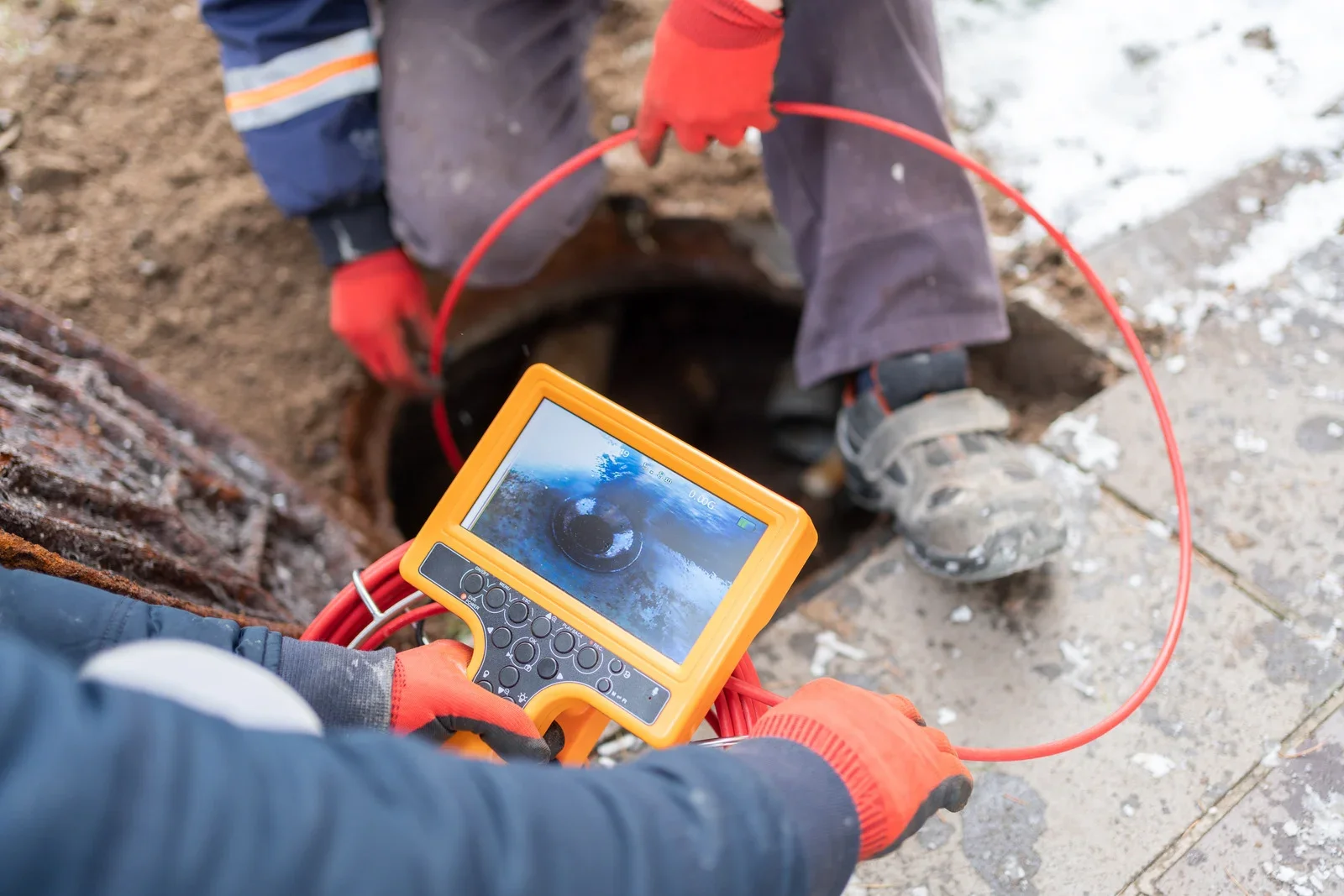
After a backup stops, assessing the sewer line helps identify damage or conditions that caused the failure. Homeowners benefit from understanding whether buildup, roots, or pipe wear contributed. Assessment matters because it supports informed next steps. Identifying underlying issues helps reduce the likelihood of future emergencies and recurring sewer problems.
How to Know If Your Sewer Needs Emergency Backup Help in Holland, MI
-
Wastewater rising from floor drains or toilets signals that the main sewer line cannot move waste away from the home. Homeowners often notice water appearing suddenly in the lowest areas. This matters because continued use forces more wastewater back inside, increasing contamination risk. Emergency attention helps stop the flow and protect living spaces from further damage.
-
When sinks, tubs, and toilets all drain poorly or overflow together, the problem usually sits in the main sewer line. Homeowners may notice issues worsen when water runs elsewhere in the home. This matters because shared blockage pressure builds quickly. Emergency response helps relieve the obstruction before widespread flooding or structural damage occurs.
-
Intense sewer smells inside the home often indicate trapped wastewater unable to exit properly. Homeowners may notice odors growing stronger during water use. This matters because sewer gases signal restricted flow and possible backup conditions. Emergency services help restore containment, reduce health risks, and return the system to safe operation.
-
Gurgling noises followed by rising water often appear when air and waste struggle to pass a blockage. Homeowners may hear sounds before visible overflow occurs. This matters because gurgling often precedes a full backup. Prompt emergency action can stop progression before sewage spills into living areas.
-
Homes with a history of sewer issues may experience sudden escalation during heavy use or rain. Homeowners may recognize familiar warning signs intensifying quickly. This matters because recurring problems often worsen without intervention. Emergency services address immediate risks while identifying underlying causes to reduce repeat incidents.
Why Fast Emergency Sewer Backup Response Is Crucial for Your Home in Holland, MI
-
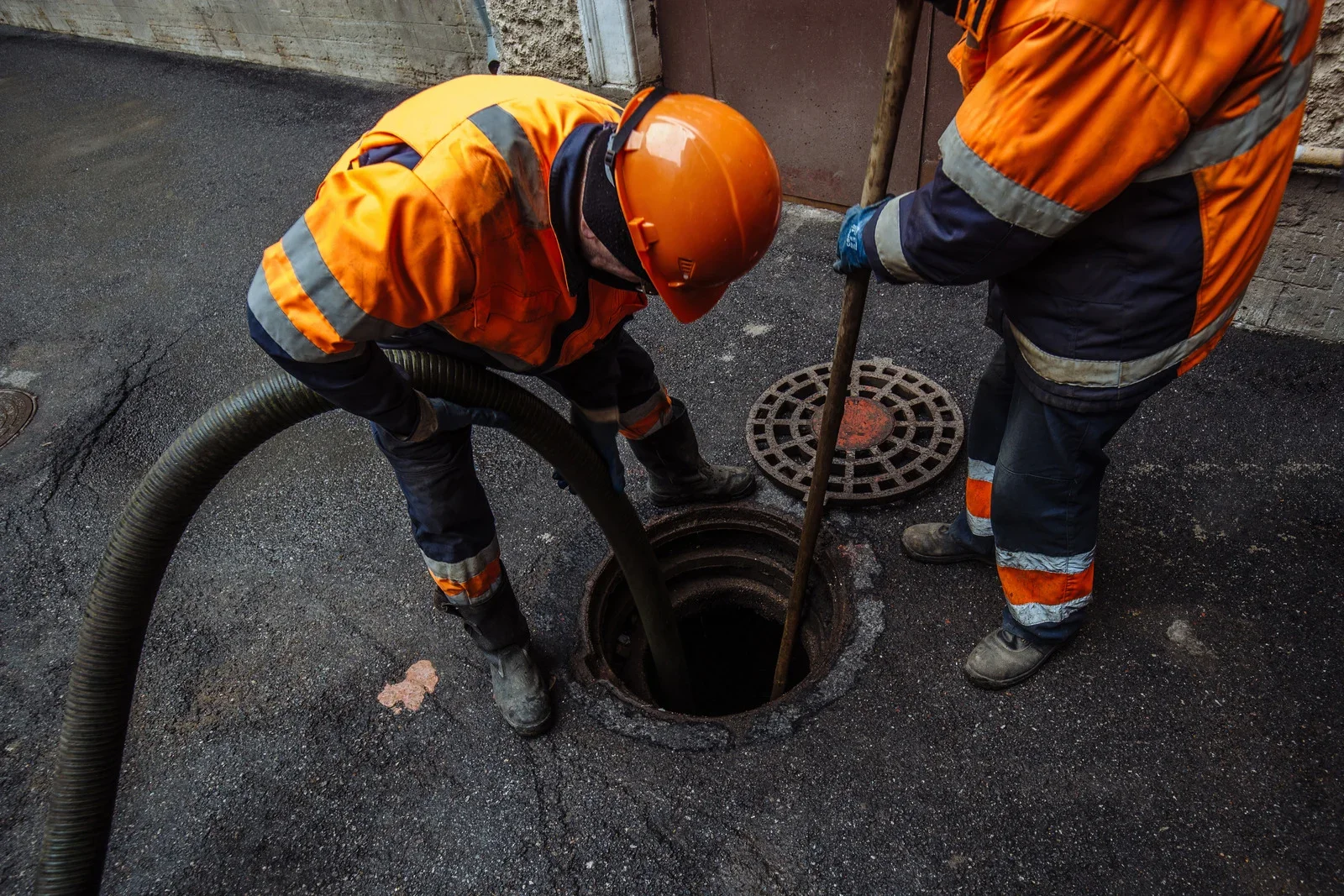
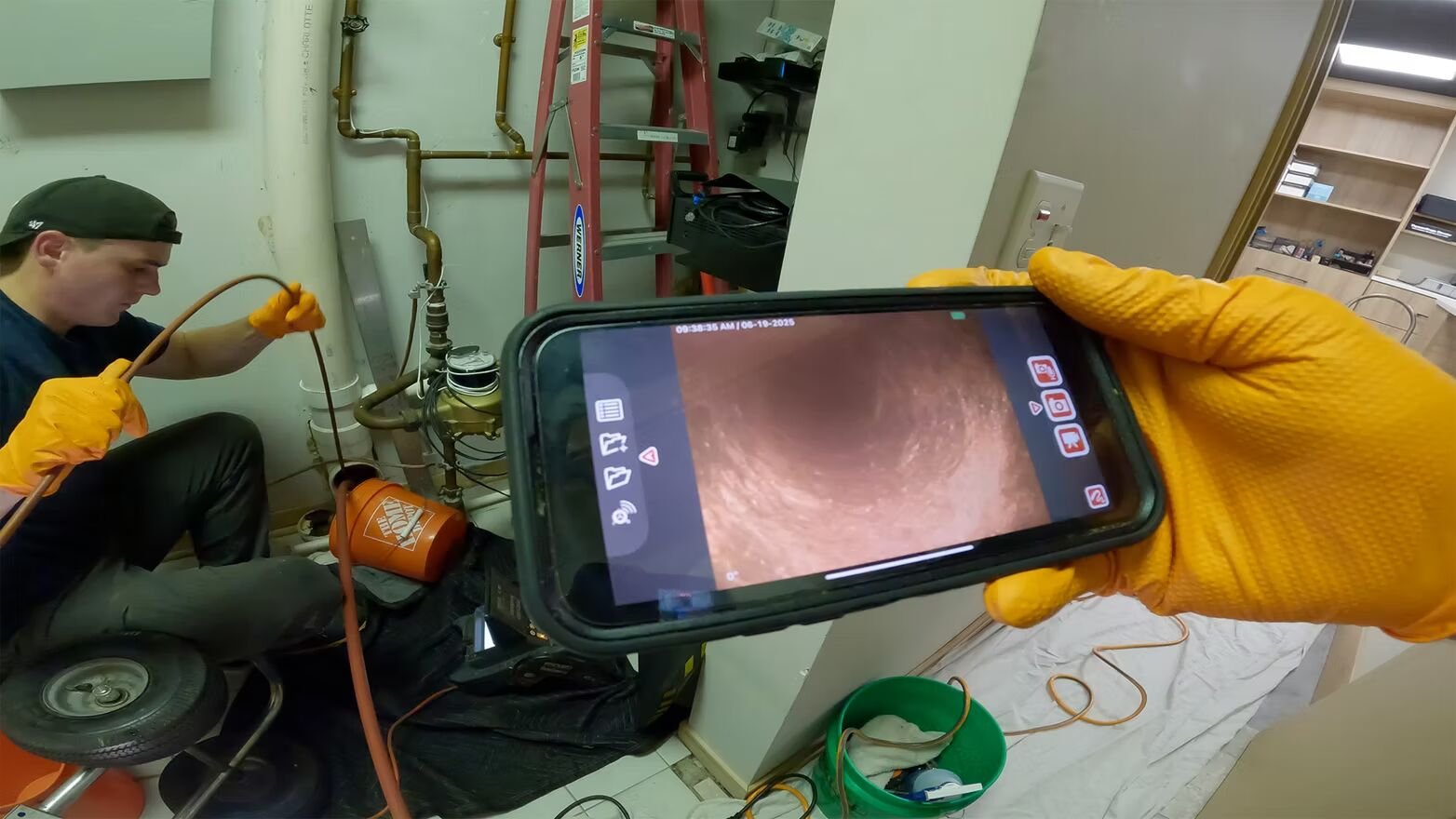
Emergency response focuses on stopping wastewater from entering living areas as quickly as possible. Homeowners often notice rising water levels stabilize once pressure is relieved. Rapid control matters because limiting exposure reduces contamination, minimizes cleanup needs, and helps protect flooring, walls, and personal belongings from extensive damage during an active backup.
-
Sewage intrusion can affect foundations, subfloors, and wall materials if left unchecked. Emergency intervention helps remove pressure from the sewer line before water spreads further. Protecting structural components matters because moisture trapped inside building materials can lead to long-term deterioration. Prompt response supports safer conditions and helps preserve the integrity of the home.
-
Addressing an emergency includes locating what caused the backup, not just stopping the overflow. Homeowners benefit from understanding whether debris, grease, roots, or pipe damage contributed. Identifying the cause matters because informed next steps reduce the chance of repeat emergencies and help guide appropriate follow-up service.
-
Sewage contains harmful bacteria that present health risks during backups. Emergency handling prioritizes containment and controlled cleanup conditions. Safety matters because limiting exposure helps protect occupants during a vulnerable moment. Professional response supports safer restoration while reducing uncertainty during an already stressful event.
-
After the emergency response, homeowners gain reassurance that drainage has been properly stabilized. Knowing that immediate risks were addressed matters because confidence supports calmer decision-making moving forward. Reliable emergency service helps restore normal function while setting the stage for longer-term system reliability.
GET HELP NOW!
FAQs - Emergency Sewer Backup In Hamilton, MI
What Causes An Emergency Sewer Backup In Residential Homes?
+Emergency sewer backups often occur when the main sewer line becomes blocked by grease, debris, roots, or collapsed pipe sections. Restricted flow forces wastewater to reverse direction into the home.
How Fast Should Emergency Sewer Backup Service Be Requested?
+Emergency sewer backup service should be requested as soon as wastewater appears indoors. A quick response helps limit contamination, reduce damage, and stabilize drainage conditions before the situation worsens.
Are Emergency Sewer Backups Considered A Health Risk?
+Sewer backups involve wastewater that contains bacteria and contaminants. Prompt, reliable handling reduces exposure risks and helps protect indoor air quality and living surfaces.
Can Heavy Rain Trigger Sewer Backups In Holland, MI?
+Heavy rain in Holland, MI, can overwhelm sewer systems, especially when lines are already clogged or damaged. Excess water increases pressure inside the main sewer line.
What Areas Of A Home Are Usually Affected First?
+Lower fixtures such as basement floor drains, toilets, and showers are usually affected first because wastewater seeks the lowest exit point when flow becomes restricted.
Is Emergency Sewer Backup Service Affordable Compared To Cleanup Costs?
+Emergency service helps restore flow and identify causes. Addressing underlying issues improves reliability and reduces the risk of recurring backups.
Should Plumbing Fixtures Be Used During A Sewer Backup?
+Plumbing fixtures should remain unused during a backup. Continued use increases pressure and forces additional wastewater into the home.
Can Emergency Sewer Backup Service Prevent Repeat Incidents?
+Emergency service helps restore flow and identify causes. Addressing underlying issues improves reliable performance and reduces the chance of recurring backups.
Are Older Homes In Holland, MI More Prone To Sewer Backups?
+Older homes in Holland, MI often have aging pipes that collect debris or shift over time. These conditions can increase the likelihood of sewer backups.
How Long Does Emergency Sewer Backup Service Typically Take?
+Service time varies by blockage severity, though many emergencies are stabilized within hours. Quick resolution focuses on stopping the intrusion and restoring safe drainage.
For emergency sewer backup service in Holland, MI, contacting Clog Squad provides fast stabilization and dependable support during urgent plumbing situations. Immediate response helps protect living spaces, reduce health risks, and restore safe drainage with practical solutions designed for residential sewer systems.