
How Hydro Jetting Removes Tree Roots Without Damaging Pipes
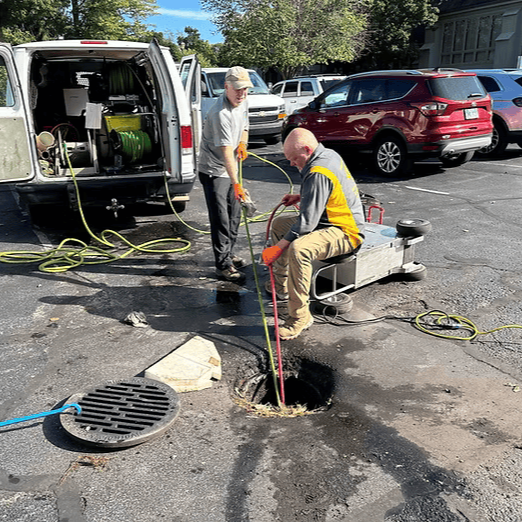
When applied correctly, hydro jetting restores flow while maintaining the integrity of the sewer line.
Tree root intrusion is one of the most misunderstood problems homeowners face in their drains and sewers. Roots do not invade pipes out of aggression or curiosity. They follow moisture, oxygen, and nutrients, and sewer lines offer all three in abundance. Tiny cracks, loose joints, or aging materials give roots just enough access to enter the line. Once inside, growth accelerates. Roots expand, branch out, and begin capturing debris that should have flowed downstream. Over time, what starts as a thin strand becomes a dense obstruction that can disrupt the entire plumbing system.
Hydro jetting addresses root intrusion differently than most traditional methods. Instead of tearing at pipes or forcing mechanical tools through fragile sections, hydro jetting uses controlled water pressure to cut roots cleanly while preserving pipe structure. In heavy-use or aging systems, this distinction matters. Removing roots without damaging pipes requires an understanding of how roots grow, how pipes fail, and how pressure interacts with different materials. When applied correctly, hydro jetting restores flow while maintaining the integrity of the sewer line.
Why Tree Roots Target Sewer Lines In The First Place
Tree roots respond to environmental conditions rather than plumbing layouts. Underground sewer lines release moisture vapor through joints and microscopic fractures, creating an ideal environment for growth. Even modern pipes can develop slight imperfections over time due to soil movement, temperature shifts, or settling. Older clay and cast iron systems are especially vulnerable because joints loosen and surfaces degrade naturally with age.
Once a root detects moisture, it does not stop at the first point of entry. Roots continue growing inside the pipe, branching outward and thickening as nutrients pass through the wastewater. The internal environment supports rapid expansion, turning small intrusions into large obstructions. Debris begins to accumulate immediately, as roots slow water flow and create surfaces where paper and waste can cling. Left untreated, this process leads to recurring backups, pressure buildup, and, if improper removal methods are used, eventual structural damage.
How Root Intrusion Disrupts Normal Drainage Over Time
Root intrusion rarely causes immediate failure. Early stages often produce subtle symptoms, such as slow drains, occasional gurgling, or temporary backups. These warning signs appear because roots create turbulence inside the pipe, interrupting smooth flow. Solids that once passed easily begin settling, increasing resistance with each use of the system.
As roots mature, drainage problems compound. Water backs up more frequently, pressure builds upstream, and multiple fixtures become affected simultaneously. Floor drains, tubs, and lower-level plumbing are often the first to show symptoms. At this stage, quick fixes provide diminishing returns. Without addressing the roots themselves, any debris removed simply reforms around the obstruction. Hydro jetting eliminates the root mass rather than working around it, restoring predictable flow patterns throughout the system.
Why Mechanical Root Cutting Often Creates Pipe Damage
Mechanical cutting tools remove roots through direct contact. Blades or augers tear through root masses but do so blindly, without regard for pipe condition. In brittle or aging systems, this force can chip clay pipes, widen existing cracks, or further loosen joints. Even in newer materials, aggressive mechanical action risks creating weak points that roots exploit again in the future.
Another limitation of mechanical cutting is its limited coverage. Tools typically clear a narrow path through the center of the pipe while leaving roots attached to the walls. These remaining strands regrow quickly, often thicker and more resistant than before. Homeowners experience temporary relief followed by faster recurrence. Hydro jetting avoids this cycle by removing roots at the pipe toggle base, flushing fragments out, and leaving fewer attachment points for regrowth.
How Hydro Jetting Cuts Roots Without Harming Pipes
Hydro jetting removes roots through precision rather than force. Specialized nozzles direct high-pressure water streams forward and outward, targeting root masses from multiple angles. Water pressure cleanly slices through roots, separating them from the pipe walls without scraping or grinding the material itself. The process relies on hydraulic cutting rather than mechanical impact.
Pressure levels are carefully calibrated based on pipe material, diameter, and condition. PVC, cast iron, and clay pipes all respond differently to water pressure. Experienced technicians adjust flow rates and nozzle types to match the system, allowing roots to be removed without stressing the pipe structure because water conforms to the pipe interior rather than forcing contact. Hydro jetting cleans thoroughly while preserving integrity.
The Role Of Pipe Material In Safe Root Removal
Pipe material plays a critical role in determining how root removal should be handled. Older clay pipes crack easily under mechanical stress but tolerate properly applied water pressure well. Cast iron pipes develop internal scaling that traps roots and debris, requiring thorough cleaning without aggressive scraping. Modern PVC pipes resist corrosion but can be compromised by improper tool use or excessive force.
Hydro jetting adapts to each of these materials by altering nozzle design and pressure. Rotating nozzles distribute force evenly, reducing the risk of localized stress. Penetrating nozzles focus forward jets to cut roots ahead, while rear jets flush debris backward. This balanced approach allows technicians to address root intrusion without aggravating existing weaknesses. The result is effective cleaning that respects the limitations of the pipe itself.
Why Root Removal Must Address The Entire Pipe Wall
Roots do not grow only at the center of the pipe. They anchor along joints, seams, and imperfections, spreading laterally as they mature. Clearing a single channel through the middle leaves these attachment points intact. Water may flow temporarily, but the remaining roots continue to capture debris and regenerate rapidly.
Hydro jetting removes roots along the full circumference of the pipe. Water jets reach every surface, stripping roots from walls rather than bypassing them. This comprehensive removal reduces immediate regrowth potential and restores the pipe’s internal diameter. Flow becomes uniform again, allowing wastewater to move without turbulence or restriction. Long-term performance improves because the system no longer has to compensate for uneven resistance.
Why Camera Inspections Matter Before And After Jetting
Root removal should never occur without understanding the condition of the pipe. Camera inspections reveal where roots enter, how extensive growth has become, and whether structural damage already exists. Without this information, even hydro jetting can be applied incorrectly. Pre-inspection guides pressure selection, nozzle choice, and cleaning strategy.
Post-jetting inspections confirm successful removal and identify any remaining concerns. In some cases, roots indicate failing joints or cracks that require repair to prevent recurrence. Hydro jetting clears the obstruction, but inspections inform next steps for long-term protection. This combination allows homeowners to address both symptoms and causes without unnecessary risk.
Long-Term Effects Of Proper Root Removal On Plumbing Systems
When roots are removed correctly, the entire plumbing system benefits. Flow stabilizes, pressure equalizes, and backups become far less frequent. Fixtures drain consistently, appliances operate without resistance, and odors dissipate as organic buildup is eliminated. These improvements reduce wear on pipes and connections over time.
Proper root removal also slows future intrusion. Clean pipe walls provide fewer attachment points for new growth. While roots may still seek moisture, regrowth occurs more slowly and predictably. Combined with routine inspections or scheduled maintenance, hydro jetting extends the functional lifespan of sewer lines and reduces the need for emergency repairs that disrupt daily life.
Why DIY Root Removal Often Creates Bigger Problems
DIY methods rarely account for pipe condition, root behavior, or pressure dynamics. Store-bought root cutters and chemical treatments often weaken pipes while leaving substantial root mass behind. Chemicals may kill roots temporarily, but do nothing to remove them from the line, allowing dead material to continue trapping debris.
Improper mechanical cutting increases the likelihood of cracks, leaks, and collapsed sections. These failures invite faster root intrusion and significantly escalate repair costs. Hydro jetting, when performed by trained professionals, avoids these pitfalls by using controlled force and system awareness. The difference lies not in power, but in precision and understanding.
Tree Roots in Your Pipes? Fix the Problem Before It Gets Worse
Can hydro jetting completely remove tree roots from pipes?
Hydro jetting removes active root growth inside the pipe and flushes debris out, restoring flow, though structural entry points may still require repair to prevent future intrusion.
Is hydro jetting safe for older clay or cast iron pipes?
When pressure is adjusted properly, hydro jetting cleans these materials effectively without causing damage, unlike aggressive mechanical cutting tools.
How do roots come back after being removed?
Roots can return through existing cracks or joints if the pipe structure remains compromised, though clean pipe walls significantly slow regrowth.
Does hydro jetting remove roots better than snaking?
Hydro jetting cleans the full pipe interior and removes roots at attachment points, while snaking usually clears only a narrow path.
How often should root-prone lines be cleaned?
Frequency depends on tree proximity, pipe condition, and growth patterns, though periodic inspections help determine appropriate intervals.
Clog Squad delivers a comprehensive, all-in-one solution for expert drain cleaning, including hydro jetting, pipe lining, and pipe milling, and ongoing maintenance support in Holland, MI. Our skilled team uses advanced tools and modern equipment with a focus on clearing stubborn blockages, restoring proper flow, and ensuring long-term system reliability. Whether you need urgent clog removal or a complete pipe restoration, we offer dependable service and 24/7 availability. Restore your drains today and enjoy smooth, uninterrupted plumbing.