
How Scale and Mineral Buildup Slowly Choke Drain Pipes Over Time
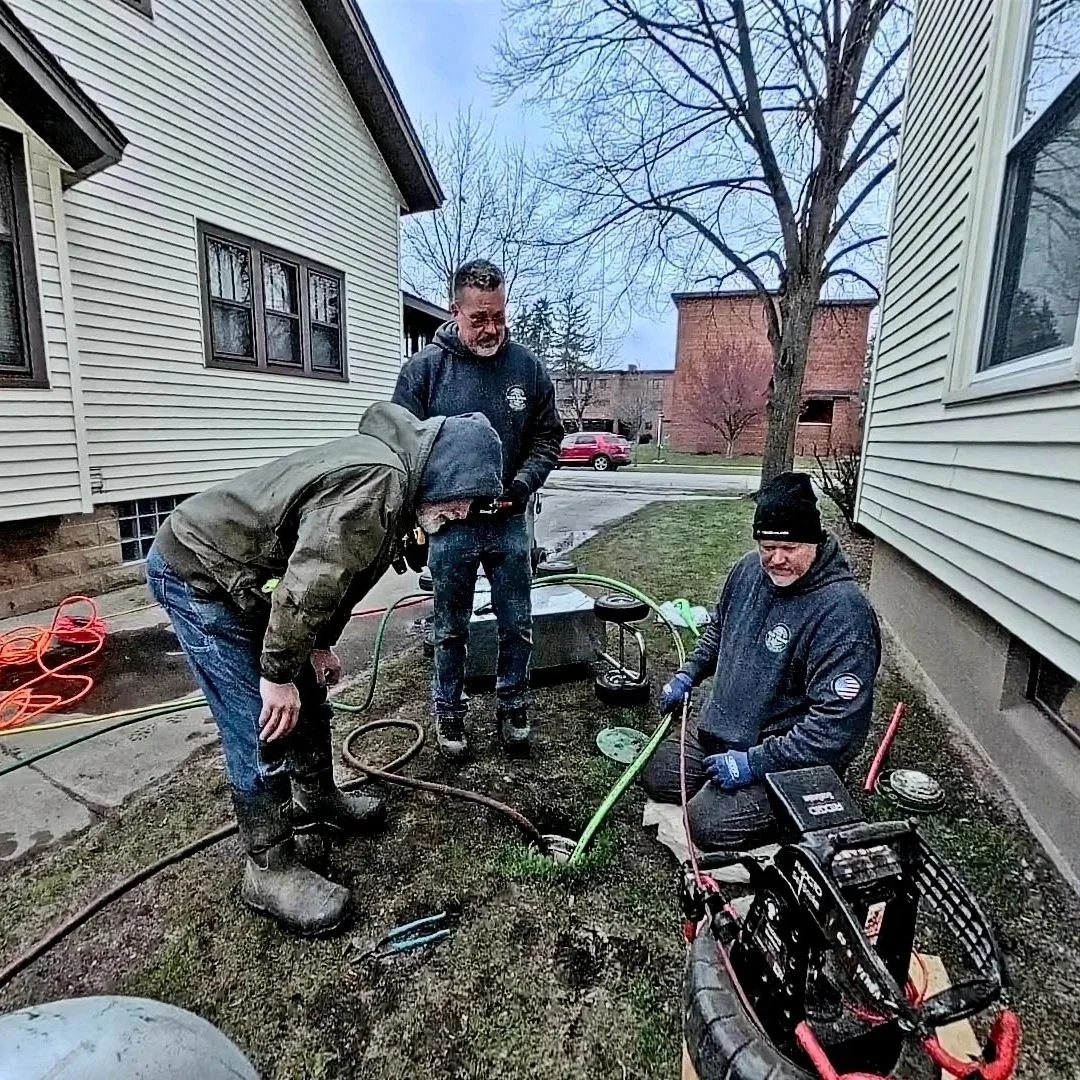
Technicians inspecting underground sewer line to address mineral scale buildup restricting pipe diameter and causing recurring slow drains.
Many homeowners experience slow-draining sinks, showers, or laundry tubs without realizing the culprit may not be hair, food, or grease. Instead, scale and mineral buildup gradually restricts pipes from the inside, silently reducing water flow over months and years. This invisible problem often goes unnoticed until it causes backups, gurgling noises, or even full pipe obstruction. Understanding how mineral deposits form, why they are so stubborn, and how they affect plumbing over time is key to preventing costly repairs and maintaining a reliable home plumbing system.
Scale buildup occurs when hard water, which contains high concentrations of calcium, magnesium, and other minerals, travels through pipes. As water flows, it leaves behind a thin layer of these minerals, which gradually accumulates and hardens. Over time, this coating thickens, narrowing the pipe’s effective diameter and restricting water flow. Unlike organic clogs that can be flushed or broken apart, the mineral scale is essentially rock-like. It adheres tightly to pipe walls, making it difficult to remove with basic plunging or chemical cleaners. Its slow, silent progression explains why pipes can function for years before serious symptoms appear.
How Hard Water Contributes to Pipe Restrictions
Hard water is a common environmental factor that accelerates the formation of pipe obstructions. Homes in areas with high mineral content in the water supply are particularly prone to scale accumulation. Calcium and magnesium ions react with other compounds in water, forming deposits along the interior surfaces of pipes. These deposits are especially pronounced in hot-water lines because elevated temperatures accelerate the precipitation of minerals. Over time, hot water fixtures, dishwashers, washing machines, and utility sinks can all contribute to mineral buildup in both branch and main lines, gradually reducing efficiency and increasing the risk of blockages.
Scale does more than simply reduce flow—it also interacts with other types of debris. Soap scum binds to mineral deposits, creating a sticky layer that can trap hair, food particles, lint, or grease. Even small debris that might otherwise pass freely through the pipes becomes caught, accelerating clog formation. This combination of mineral buildup and trapped debris explains why homeowners may notice repeated slow drainage in multiple fixtures, even when each drain appears clean at first glance. The slow and compounding nature of the problem makes early detection and maintenance essential.
Visible Signs of Mineral Buildup in Drains
There are several indicators that scale and mineral deposits are affecting drain pipes. Slow drainage is the most common symptom, particularly in older plumbing systems or fixtures frequently exposed to hard water. Faucets, showerheads, and drains may gurgle as water struggles to pass through partially restricted pipes. Homeowners may also notice cloudy water or small flakes when running hot water, indicating that mineral deposits are flaking off into the water stream. Recurrent clogs that appear resistant to plunging or snaking also suggest that scale is involved rather than typical organic debris.
Scale can also impact the aesthetics and performance of fixtures. White or chalky buildup may appear on sink rims, tub drains, or around faucet openings, signaling that mineral-laden water is continuously depositing along pipe interiors. Over time, the narrowed passages reduce water pressure at faucets and showerheads, resulting in uneven flow. Recognizing these early warning signs allows homeowners to take proactive measures before the problem progresses into more severe pipe restriction or complete blockage.
How Pipe Material Influences Mineral Accumulation
Pipe material significantly affects the rate and severity of scale buildup. Copper and galvanized steel pipes are particularly susceptible because minerals adhere easily to metallic surfaces. Older cast iron or clay pipes may also accumulate deposits, especially at joints or bends where water flow slows. Modern PVC and ABS pipes are smoother and less prone to adhesion, but prolonged exposure to hard water can still lead to gradual scaling over time. Homeowners should consider both pipe material and water hardness when assessing long-term maintenance needs, as these factors influence the likelihood and severity of blockages.
Pipe design and configuration also contribute. Horizontal runs, bends, and low-flow areas encourage mineral precipitation because water slows there. Vertical or straight runs may experience less buildup, but are not immune over the long term. Hot water lines, which accelerate mineral deposition, often exhibit the thickest scale. Understanding these vulnerabilities helps homeowners predict where slow drainage or blockages are most likely to occur first and guide targeted maintenance interventions.
Why DIY Methods Often Fail to Remove Mineral Buildup
Home remedies such as vinegar, baking soda, or chemical descalers may temporarily reduce minor deposits, but they rarely eliminate hardened scale inside pipes. Plunging or mechanical snaking only moves loose debris and cannot remove mineral layers attached to pipe walls. In many cases, these DIY approaches give homeowners a false sense of resolution, as flow may temporarily improve but will slow again over time. The persistent nature of scale means that professional intervention is often the only way to restore full pipe capacity and prevent recurring issues.
Chemical descaling products work best on light deposits or small sections of pipe and require repeated application. Even then, they may not penetrate long stretches of plumbing or reach hardened layers in main lines. Mechanical removal with professional tools or hydro-jetting is generally required for extensive mineral buildup, especially in older or hard-water-prone homes. DIY methods can maintain cleanliness, but are not a substitute for thorough removal when the scale has significantly narrowed pipes.
Professional Techniques for Removing Mineral Buildup
Professional plumbers rely on high-pressure hydro jetting and pipe inspection cameras to effectively tackle mineral buildup. Hydro jetting uses pressurized water streams to scour the interior of pipes, breaking apart scale and dislodging trapped debris. This method restores pipe diameter and smooth surfaces, boosting flow and reducing the risk of future blockages. Camera inspections allow plumbers to pinpoint problem areas, determine the severity of scale accumulation, and identify structural issues that may contribute to recurring restrictions.
In some cases, older or severely scaled pipes may require partial replacement. For example, cast iron pipes with decades of accumulated deposits may be too restricted for hydro jetting alone. Replacing these sections with smooth PVC or ABS pipes improves water flow and reduces the likelihood of future buildup. Professional assessment confirms that mineral accumulation has been thoroughly addressed, protecting both branch lines and the main sewer line from long-term consequences.
Preventative Measures to Slow Mineral Buildup
Preventing scale accumulation starts with controlling water chemistry. Installing a water softener or filtration system reduces calcium and magnesium levels, slowing the formation of deposits. Homeowners can also flush drains regularly with hot water to wash away loose particles and reduce adhesion. Routine professional inspections and maintenance, particularly in hard water areas, help detect early signs of scale before significant narrowing occurs. These preventive steps extend the lifespan of pipes and reduce recurring drainage issues.
In addition to water treatment, conscientious use of plumbing fixtures can help. Avoiding prolonged low-flow water use and periodically running higher volumes through less frequently used drains minimizes stagnant water where minerals can precipitate. Educating household members about the long-term effects of hard water and maintaining consistent maintenance routines verifies that pipes remain clear and functional. Preventative strategies complement professional cleaning to provide a long-term solution for slow drainage caused by mineral deposits.
Long-Term Implications of Ignoring Mineral Buildup
Neglecting scale and mineral buildup can have serious consequences. Reduced pipe diameter increases the likelihood of recurring slow drainage, backups, and gurgling fixtures. Appliances such as washing machines, dishwashers, and water heaters may experience strain due to irregular water flow or pressure fluctuations. Over time, mineral deposits may lead to complete pipe obstruction, necessitating costly excavation or replacement. Ignoring these gradual issues results in increased maintenance costs, property damage risk, and diminished plumbing system efficiency.
In multi-unit homes or commercial properties, mineral buildup compounds more rapidly because higher water usage introduces larger quantities of minerals into the plumbing system. Shared main lines are particularly vulnerable, as small deposits from individual units accumulate over time, restricting flow throughout the building. Professional cleaning, combined with preventive water treatment, protects the entire plumbing infrastructure, reducing emergency repairs, preserving appliances, and maintaining optimal performance for years to come.
FAQs
What Causes Mineral Buildup in Pipes?
+Mineral buildup, or scale, forms when hard water deposits calcium, magnesium, and other minerals along pipe interiors. Over time, these deposits harden and restrict water flow.
Can DIY Methods Remove Hardened Scale Completely?
+DIY methods like vinegar or chemical descalers may reduce minor deposits but rarely eliminate hardened scale in long or severely restricted pipes. Professional cleaning is often required.
Which Pipes Are Most Susceptible to Mineral Buildup?
+Copper, galvanized steel, and older cast iron pipes are most prone to scaling. Hot water lines and horizontal runs with slow flow are particularly vulnerable.
How Can Homeowners Prevent Mineral Accumulation?
+Installing a water softener, regularly flushing hot water, and scheduling routine professional inspections help prevent scale buildup and prolong pipe lifespan.
What Are the Consequences of Ignoring Mineral Deposits?
+Ignoring scale can cause recurring slow drains, backups, appliance strain, and eventual pipe obstruction, often leading to costly repairs or replacements.
