
How Main Line Drain Cleaning Solves Multiple Drain Problems at Once
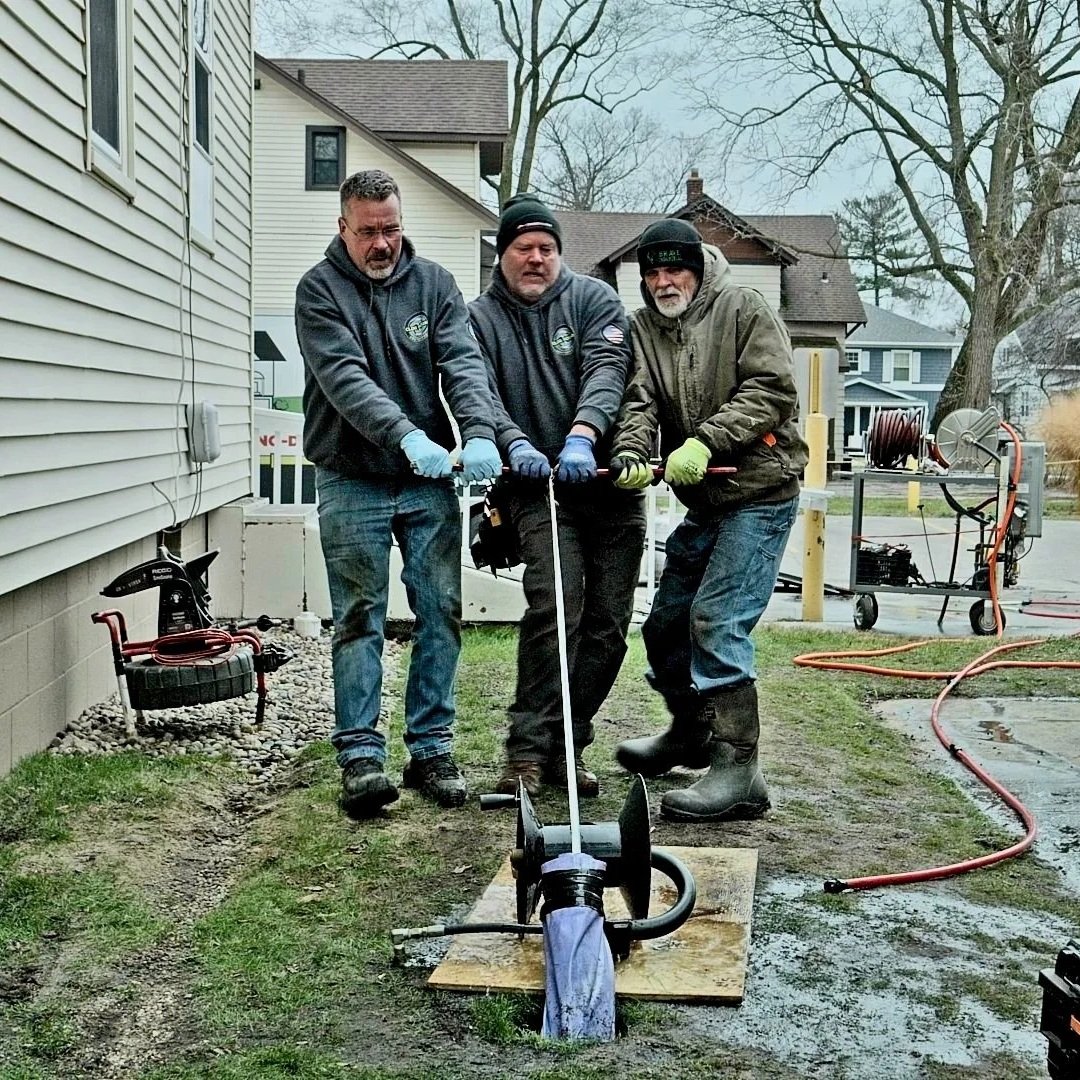
Technicians performing main sewer line drain cleaning to resolve multiple slow drains and restore full household plumbing flow.
Homeowners often notice that several drains in their property are draining slowly or backing up at the same time. A clogged kitchen sink, a slow laundry drain, and a gurgling bathroom sink may seem unrelated, yet they often share a single cause: a blockage or buildup in the main sewer line. Addressing each drain individually may provide temporary relief, but main line drain cleaning resolves the underlying problem, restoring proper flow throughout the entire plumbing system. Understanding how main line obstructions affect multiple drains emphasizes the significance of proactive maintenance and professional intervention.
The main line serves as the central pathway connecting all branch lines from sinks, toilets, laundry, and floor drains to the municipal sewer system or septic tank. When this line becomes partially blocked by debris, grease, roots, or mineral buildup, water from each connected fixture struggles to move downstream. The result is slow drainage, backups, or gurgling noises. Because the main line carries the combined flow of the entire household, even minor blockages can affect multiple drains simultaneously, making main line drain cleaning a highly effective solution for widespread plumbing issues.
Common Causes of Main Line Blockages
Main line blockages arise from a variety of sources, each affecting the entire household plumbing system. Tree roots are a frequent culprit, particularly in older homes with clay or cast-iron pipes. Roots infiltrate cracks in the pipe in search of moisture, growing over time and restricting water flow. Grease and fats from kitchen drains, combined with soap residues and food particles, create sticky deposits that accumulate along pipe walls. Sediment, mineral deposits, and foreign objects flushed down branch drains also contribute to blockages. Recognizing these factors helps homeowners understand why multiple drains may fail simultaneously.
Pipe age and material significantly influence susceptibility to obstructions. Older clay or cast iron pipes are more prone to cracking and corrosion, providing entry points for roots and debris. Modern PVC or ABS pipes resist corrosion but are still vulnerable to accumulated grease, soap scum, and sediment. The combination of these factors often leads to recurring drainage problems across multiple fixtures. By addressing the main line directly, homeowners tackle the root cause rather than repeatedly treating individual drains, preventing repeated emergencies and prolonging the lifespan of their plumbing system.
How Main Line Clogs Affect Multiple Drains
A blockage in the main line creates a bottleneck that slows or prevents water from flowing from branch lines to the sewer or septic system. Laundry drains, floor drains, and kitchen sinks are particularly sensitive because they discharge large volumes of water at once. Toilets and bathroom sinks may experience slower drainage or intermittent gurgling, indicating that water is being displaced in connected pipes. The impact of a main line obstruction is often cumulative: minor backups in one drain today can become widespread problems tomorrow as debris and buildup increase.
Branch drains themselves can exacerbate the problem when the main line is blocked. For example, lint from laundry, grease from the kitchen, and hair from bathrooms may all pass through branch lines but then accumulate at the main line blockage. Over time, these materials combine to form a dense obstruction that further restricts flow. Homeowners may notice recurring backups despite temporarily clearing branch drains, highlighting that the underlying issue lies in the main line. Addressing this central obstruction resolves multiple drain problems simultaneously, restoring proper function to the entire household plumbing system.
Signs That Indicate the Need for Main Line Cleaning
Several indicators suggest that main line drain cleaning is necessary. Slow drainage across multiple fixtures is one of the most common signs. Gurgling or bubbling in sinks, tubs, or floor drains when other drains are in use points to trapped air caused by a partial obstruction in the main line. Foul odors emanating from lower-level drains indicate a buildup of waste that cannot move downstream. Intermittent backups in laundry drains, floor drains, or toilets, especially during high water use, are strong evidence that the main line is partially blocked. Recognizing these signs early allows homeowners to take corrective action before the problem escalates.
Another warning sign is frequent clogs in branch drains, even after repeated clearing. If homeowners find themselves snaking sinks, plunging toilets, or cleaning laundry drains multiple times in a short period, the recurring issue is often rooted in the main line. High-volume discharges from washing machines, dishwashers, or showers can overwhelm partially blocked main lines, leading to noticeable backups. Understanding these symptoms helps homeowners identify when a localized approach is insufficient and professional main line cleaning is required.
Methods of Main Line Drain Cleaning
Professional plumbers use several techniques to clear main line blockages effectively. Mechanical snaking involves inserting a flexible auger into the main line to break up or remove obstructions. This method is effective for hair, debris, and small root intrusions but may be less effective against widespread buildup. Hydro jetting uses high-pressure water to scour the interior of the pipe, removing grease, mineral deposits, sediment, and even tree roots. Hydro jetting not only clears blockages but also restores smooth pipe surfaces, reducing the likelihood of future buildup.
Camera inspection is another crucial step in main line maintenance. Plumbers insert small cameras into the pipes to identify the exact location, severity, and nature of blockages. This allows for targeted cleaning and prevents unnecessary excavation or damage. Camera inspections also reveal structural issues, such as cracks or sagging pipes, that may contribute to recurring backups. By combining inspection with cleaning methods such as hydro jetting or snaking, homeowners can address the root cause of multiple drain problems and implement preventive strategies for long-term plumbing health.
Benefits of Main Line Cleaning for Multiple Drains
Cleaning the main line offers several advantages that extend beyond resolving individual drain clogs. First, it restores flow to the entire plumbing system, eliminating slow drainage and preventing backups in multiple fixtures. Second, it removes accumulated debris that could attract future buildup, reducing the frequency of emergency plumbing visits. Third, main line cleaning can prevent damage to branch pipes, fixtures, and appliances caused by repeated pressure and water backups. The result is a more reliable and efficient plumbing system that requires less frequent intervention.
Another benefit is detecting hidden issues before they become emergencies. Camera inspections performed during main line cleaning can identify cracks, corrosion, or root intrusion that could lead to future blockages or leaks. By addressing these structural problems early, homeowners reduce the possibility of property damage, costly repairs, and potential health hazards from sewage exposure. Main line cleaning is not only a reactive solution but also a proactive maintenance strategy that enhances the overall performance and longevity of the plumbing system.
Preventative Measures to Reduce Main Line Blockages
While professional main line cleaning resolves existing problems, homeowners can take steps to minimize future issues. Avoiding the disposal of grease, oils, and food particles down kitchen drains reduces buildup that may eventually reach the main line. Using lint traps in laundry drains prevents fibers from accumulating in the plumbing system. Periodic flushing of drains with hot water or enzyme-based cleaners helps break down minor deposits before they become significant obstructions. Implementing these practices complements professional cleaning and extends the interval between major maintenance.
Monitoring water usage and promptly addressing minor plumbing issues also help prevent main line complications. Fixing leaks, repairing pipe damage, and clearing minor branch drain clogs before they impact the main line reduces stress on the system. Seasonal inspections and maintenance, especially for older homes or properties with extensive landscaping, help identify root intrusion, corrosion, or sediment buildup early. A combination of professional main line cleaning and responsible homeowner habits verifies reliable drainage across all fixtures and prevents repeated backups that affect multiple areas of the property.
Long-Term Consequences of Neglecting Main Line Maintenance
Ignoring main line issues can have serious consequences over time. Repeated backups may lead to water damage, mold growth, and compromised indoor air quality. Appliances connected to the plumbing system, such as washing machines and dishwashers, may experience increased wear or malfunction due to irregular water flow. Minor blockages that are left untreated often worsen, eventually requiring costly excavation or pipe replacement. By neglecting main line maintenance, homeowners increase both the frequency of plumbing emergencies and the financial burden of repairs.
Additionally, unresolved main line problems can affect property value. Homes with recurring drainage issues may appear poorly maintained to potential buyers, reducing marketability and resale value. Emergency plumbing repairs are also disruptive, potentially displacing residents and requiring temporary water shutoffs. Preventative main line cleaning addresses these risks by restoring proper flow, protecting structural integrity, and preventing damage from backups. Investing in main line maintenance is a proactive step that safeguards both the home’s plumbing system and its long-term value.
FAQs
Why Do Multiple Drains Slow Down at the Same Time?
+When the main line is partially blocked, water from all connected branch lines struggles to flow downstream. This causes simultaneous slow drainage or backups across multiple fixtures.
Can I Clear Each Drain Individually Instead of Cleaning the Main Line?
+Clearing individual drains may provide temporary relief, but it does not address the root cause. Main line blockages continue to affect multiple fixtures until resolved.
What Methods Are Used for Main Line Cleaning?
+Plumbers use snaking, hydro-jetting, and camera inspections. Hydro-jetting is particularly effective for grease, sediment, and root buildup, while cameras identify the exact location and type of obstruction.
How Often Should Main Lines Be Inspected or Cleaned?
+It is recommended every two to three years for most homes. Older homes, high water usage, or recurring drain issues may require more frequent maintenance.
What Are the Risks of Ignoring Main Line Blockages?
+Ignoring blockages can lead to widespread backups, water damage, mold growth, appliance strain, and costly repairs. Early intervention prevents both emergencies and long-term property damage.
