
When Floor Drains Back Up and Why the Main Line Is Often the Culprit
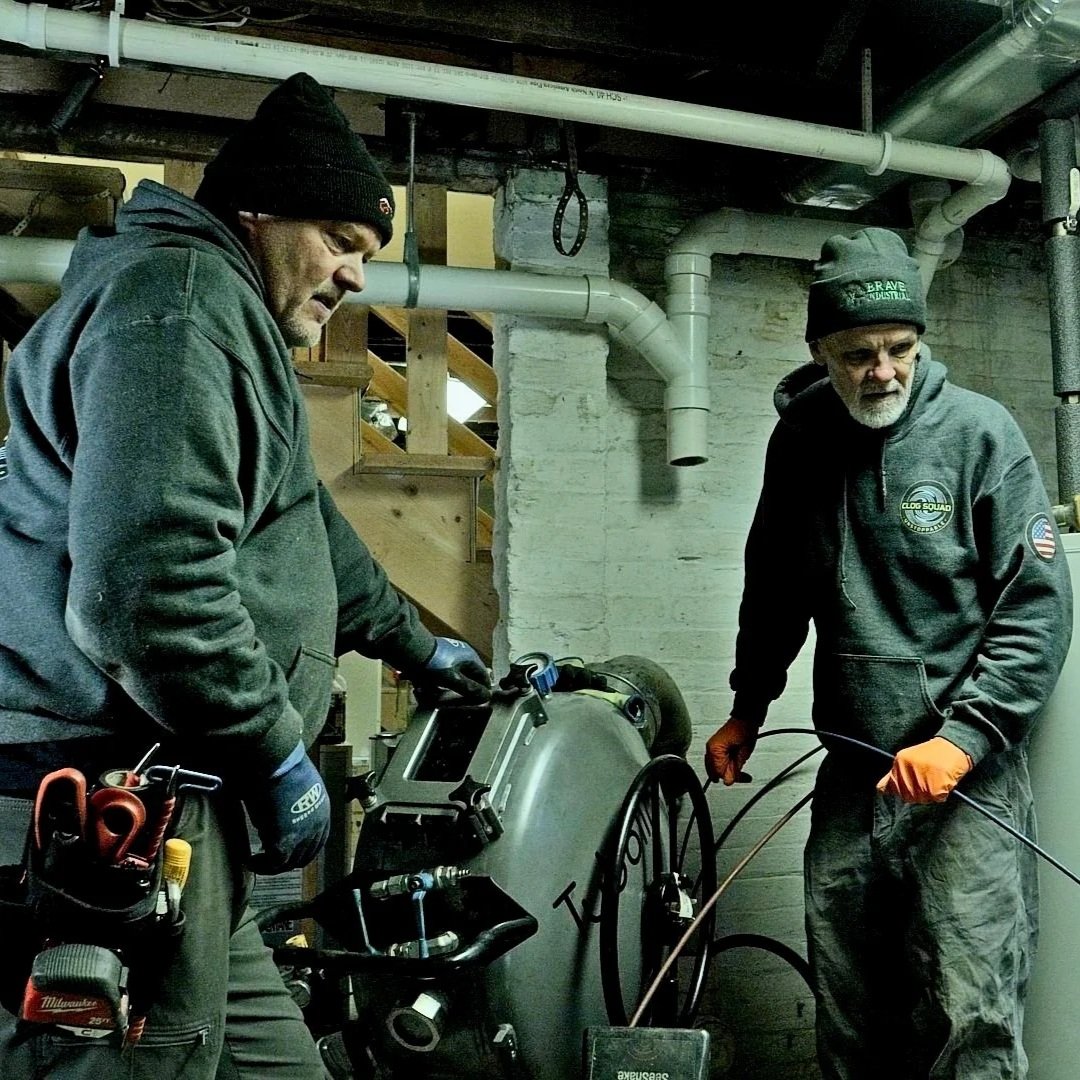
Technicians diagnosing basement floor drain backup caused by main sewer line obstruction using professional inspection and cleaning equipment.
Floor drains are a hidden yet essential part of any home or commercial property. Located in basements, laundry rooms, garages, and utility areas, they quietly manage excess water and prevent flooding. When these drains back up, it often signals a problem that goes beyond the visible fixture. While it's easy to blame a clog right at the drain, repeated or severe backups frequently point to an obstruction or damage in the main sewer line. Understanding this connection helps homeowners and property managers address problems efficiently before they escalate into more serious plumbing disasters.
Floor drains are connected directly to branch lines that eventually feed into the main sewer system. Unlike sinks or toilets, they handle large volumes of water intermittently, often during washing, storms, or accidental spills. If the main line is partially blocked, water from floor drains has nowhere to go, leading to slow drainage or complete backup. Because floor drains are typically located at the lowest point in a home or building, they are the first fixtures to show symptoms when the main line is compromised. Recognizing this early can prevent water from backing up into living spaces, causing damage and creating sanitation hazards.
How Debris Accumulates in Floor Drains
Floor drains are designed to catch water, dirt, small debris, and occasionally sediment from storm runoff or laundry discharges. Over time, even minor debris like dust, hair, or small particles can accumulate in the drain trap. In isolation, this buildup might not cause significant problems. However, when the main line is obstructed, these small accumulations act like a cap over already restricted pipes, exacerbating slow drainage and creating a visible backup. The interaction between local debris and systemic main line issues explains why floor drains are often the first to overflow.
Industrial or commercial settings highlight this effect even more dramatically. In commercial kitchens, garages, or workshop basements, floor drains frequently deal with grease, oil, and particulate matter. These substances mix with ordinary sediment to form sludge that clings to the pipe walls. While these floors are cleaned frequently, the underlying mainline problem remains hidden until water cannot flow freely. In residential homes, repeated incidents of standing water in the basement or laundry room often signal the same underlying main line obstruction, even when floor drain grates appear clean on the surface.
Why Main Line Issues Cause Floor Drain Backups First
Floor drains are often the lowest point in a plumbing system, and water naturally flows downhill. If the main line is blocked or damaged, water seeks the path of least resistance, which often leads directly to these drains. While sinks, toilets, and showers may show slower drainage, floor drains quickly overflow because they lack the mechanisms that moderate flow like toilets' siphoning action. Homeowners sometimes misinterpret this as a localized clog in the floor drain itself and attempt to snake or flush the drain without addressing the main line problem, which only provides temporary relief.
Additionally, the volume and timing of water entering the main line are significant. Floor drains often handle surges of water from laundry machines, sump pumps, or utility sinks. These high-volume discharges put immediate pressure on partially blocked main lines, creating backups and forcing water upward. While a minor clog in a branch line may handle small flows effectively, main line obstructions cannot accommodate sudden surges, revealing systemic plumbing issues. Homeowners who notice backups only during high-water events may misattribute the problem to the drain rather than recognizing the main line's role.
Common Causes of Main Line Blockages
Main line blockages arise from a variety of sources. Tree root intrusion is one of the most common causes in older homes, as roots infiltrate cracks in clay or cast-iron pipes in search of moisture. These roots grow gradually but can cause severe obstructions over time, often showing symptoms first in floor drains. Accumulated grease from kitchen drains, sediment buildup, or debris washed from branch lines also narrows the main pipe's diameter. Even structural shifts in the ground can create misalignments or sagging in the main line, allowing water and debris to pool and create partial blockages.
Pipe material and age significantly influence susceptibility to blockages. Older homes with cast-iron or clay pipes are more prone to cracking, corrosion, and joint separation, which allows debris to accumulate in low spots. Modern PVC or ABS systems are more resistant to root intrusion and corrosion, but are still vulnerable to sediment and debris accumulation. Understanding the type and condition of the main line informs maintenance strategies, including camera inspections, snaking, and hydro jetting. It explains why recurring floor drain backups persist despite repeated attempts to clear them at the surface.
Signs That Indicate a Main Line Problem
Several warning signs point to main line obstructions. Frequent or recurring backups in floor drains are a primary indicator, especially when other drains appear normal. Gurgling sounds from drains or toilets when water is used somewhere else in the home suggest air being displaced by slow-moving water in the main line. Foul odors emanating from floor drains or lower-level plumbing fixtures indicate trapped waste that is unable to flow downstream. Even intermittent slow drainage during high-volume water events can signal that the main line is partially blocked or damaged.
Homeowners should also observe patterns in how backups occur. For example, if water backs up only during heavy rain or laundry days, it suggests that the main line is nearing capacity rather than being entirely blocked. Water pooling in basements, garages, or utility rooms is a red flag that gravity is pushing water to the lowest point. Recognizing these signs early allows for timely intervention before complete obstruction or damage occurs, preventing costly repairs and potential health hazards associated with sewage backups.
Environmental and Usage Factors That Exacerbate Problems
Several environmental and usage factors contribute to main line obstructions. Tree roots are more active during spring and summer, increasing the likelihood of infiltration in susceptible pipes. Soil movement or settling foundations can cause misalignment or sagging in the main line, creating low spots where debris and water accumulate. High-volume water usage from multiple sources—washing machines, floor cleaning, showers, and sinks—can overload a partially blocked main line, revealing problems that otherwise remain hidden. Recognizing these contributing factors helps homeowners anticipate issues and plan maintenance proactively.
Usage patterns in commercial or multi-unit residential properties further exacerbate the problem. Facilities with frequent laundry loads, commercial kitchens, or maintenance routines that pour cleaning chemicals or grease down drains experience a greater burden on main lines. Even small accumulations of debris or grease in these systems can compound over time, particularly when high-volume discharges coincide. Awareness of both usage and environmental factors provides context for understanding why floor drains often reveal systemic plumbing issues before other fixtures do.
Preventative Maintenance Strategies
Preventing floor drain backups starts with maintaining the main line. Professional inspection using cameras or other diagnostic tools can detect early signs of blockage, root intrusion, or pipe deterioration. Homeowners can also minimize debris entering the main line by using high-quality lint traps, avoiding disposal of grease or large particles into floor drains, and flushing branch lines with hot water or approved enzymatic cleaners periodically. Consistent attention to these details prevents minor obstructions from becoming major backups and protects the integrity of the plumbing system.
Mechanical and enzymatic maintenance methods are highly effective for managing main line obstructions. Hydro-jetting flushes pipes with high-pressure water to remove buildup, roots, and debris, restoring full flow. Enzymatic cleaners introduce bacteria or enzymes that digest organic matter over time without damaging pipes. While chemical drain cleaners may offer temporary relief, they often fail to remove deeper obstructions and can contribute to pipe corrosion. Regular maintenance using proven methods is the key to reducing repeated floor drain backups and avoiding emergency interventions.
Recognizing When Professional Help Is Required
While minor clogs can sometimes be addressed by homeowners using a plunger, a snake, or an enzymatic treatment, floor drain backups related to mainline issues almost always require professional attention. Plumbers have specialized tools and expertise to diagnose and remove obstructions in main lines, repair damaged sections, and prevent future problems. Attempting DIY fixes on main line problems may provide temporary relief but often results in recurring backups, wasted time, and higher costs.
Professional intervention also ensures that the underlying cause of backups is addressed. Technicians can identify structural damage, root intrusion, or deteriorating pipe sections that contribute to recurring issues. Once these problems are resolved, regular preventative maintenance can be implemented to maintain optimal drainage and reduce the likelihood of future backups. Early professional intervention minimizes property damage, prevents health hazards from sewage exposure, and preserves the long-term reliability of the home's plumbing system.
Long-Term Consequences of Ignoring Main Line Issues
Ignoring main line issues can have significant consequences. Recurrent floor drain backups can lead to flooding in basements, garages, or utility areas, causing damage to floors, walls, and stored items. Water exposure may promote mold growth, creating health risks for occupants. Appliances such as washing machines and sump pumps can be strained or damaged by repeated backflow events. Over time, neglecting main line problems increases the likelihood of complete obstruction, requiring costly excavation or full pipe replacement.
Beyond individual property concerns, main line neglect can affect community plumbing systems. In multi-unit buildings or urban neighborhoods, repeated blockage can contribute to larger sewer problems, impacting multiple properties and creating expensive municipal challenges. Addressing main line obstructions promptly protects both the home and the broader infrastructure. Preventive maintenance and timely professional intervention reduce the risk of emergencies and safeguard the plumbing system's long-term integrity.
FAQs
Why Do Floor Drains Back Up Even When Sinks Drain Normally?
+Floor drains are typically located at the lowest point in a home or building. If the main line is partially blocked, water naturally flows to these low points first, causing backups even when other drains appear normal.
Can Minor Debris in the Floor Drain Cause Repeated Backups?
+Minor debris alone usually does not cause systemic backups. Repeated floor drain backups often indicate a larger issue in the main line, with debris exacerbating the problem.
How Can I Tell If a Main Line Is Partially Blocked?
+Frequent backups, gurgling sounds, foul odors, and water pooling in basements or utility areas suggest main line obstruction. Professional inspection is recommended to confirm the diagnosis.
Are DIY Solutions Effective for Main Line Obstructions?
+DIY methods may temporarily clear minor debris but rarely resolve main line blockages. Professional tools such as hydro-jetting, snaking, and camera inspections are typically required.
How Often Should Main Lines Be Inspected?
+Main line inspection is recommended every two to three years, or more frequently in older homes or properties experiencing recurring floor drain backups, to prevent serious plumbing issues.
