
How Pipe Milling Solves Drain Problems in Multi-Story Buildings
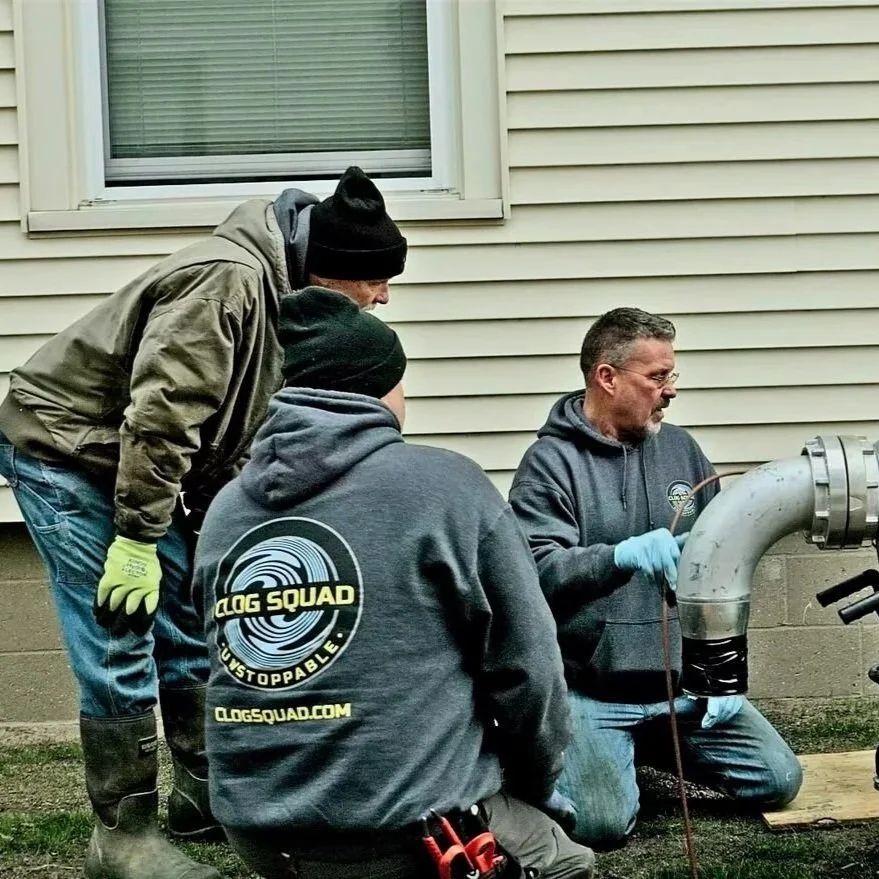
Multi-story buildings present unique plumbing challenges. Wastewater from multiple floors converges into vertical stacks and main lines, meaning a single obstruction can affect multiple fixtures across several levels. Slow drains, gurgling toilets, overflowing sinks, and persistent backups often indicate a systemic issue rather than a problem isolated to one fixture. In these cases, traditional snaking or spot-cleaning methods may only temporarily relieve symptoms, leaving behind buildup or partial obstructions that quickly recur. Mechanical pipe milling addresses the root cause by restoring wall-to-wall pipe clearance, removing scale, grease, roots, and other debris from the full diameter of the pipes.
Pipe milling is particularly effective in multi-story buildings because it can navigate the complex layout of vertical stacks, offsets, and horizontal branch lines. Milling heads on flexible shafts conform to bends and maintain contact with pipe walls throughout the run, securing complete removal of blockages and buildup. Unlike cutting or hydro jetting alone, milling physically scrapes away hardened deposits embedded along pipe walls, restoring full diameter and improving hydraulic efficiency throughout the system. This approach not only resolves existing clogs but also prevents recurrence, stabilizing flow for all floors and fixtures connected to the main lines.
Why Multi-Story Plumbing Is Susceptible to Clogs
Plumbing in tall buildings is under constant stress from high water volumes and multiple simultaneous flows. Vertical stack pipes carry wastewater from multiple floors, often converging at tight bends or offsets where debris tends to accumulate. Horizontal branch lines feeding into these stacks contribute grease, hair, and other organic material that can adhere to pipe walls. Over time, mineral deposits and scale exacerbate these obstructions, narrowing pipe diameter and creating turbulence that traps solids.
Because multi-story systems connect numerous fixtures, even minor blockages in vertical stacks can cause backups in toilets, showers, or sinks across several floors simultaneously. This networked effect explains why slow drains in multi-story buildings often appear in clusters rather than as isolated incidents. Without comprehensive wall-to-wall cleaning, these issues can persist indefinitely, resulting in recurring maintenance calls and increased operational costs.
How Pipe Milling Restores Flow
Mechanical pipe milling removes buildup wall-to-wall using rotating cutting or grinding heads mounted on flexible shafts. These heads scrape the interior of the pipe, dislodging hardened grease, mineral deposits, roots, and other obstructions that standard snaking may leave behind. The process restores the pipe to its full internal diameter, improving water velocity and reducing turbulence, thereby minimizing the likelihood of debris accumulation.
Unlike hydro jetting, which primarily flushes debris, milling physically removes embedded material. This makes it particularly effective in multi-story buildings where vertical stacks or horizontal branches contain stubborn deposits. The restored flow improves drainage systemwide, stabilizes water pressure, and reduces the risk of backups in fixtures on multiple levels, providing both immediate relief and long-term reliability.
Specialized Techniques for Vertical Stacks
Vertical stack pipes require careful milling because gravity influences debris movement, and offsets or cleanout tees create natural sticking points for solids. Milling heads designed for vertical use maintain consistent wall contact as they descend or navigate bends, verifying no residual buildup is left behind.
Controlled rotation and downward progression of the milling head prevent debris from settling at low points, which could otherwise recreate obstructions. By addressing the full circumference of vertical stacks, specialized milling eliminates hidden material that standard cutting or snaking might miss, significantly improving systemwide flow in multi-story buildings.
Addressing Horizontal Branch Lines
In addition to vertical stacks, horizontal branch lines contribute to recurring problems. Grease, sediment, hair, and other debris tend to accumulate along the bottoms of horizontal pipes, especially where flow slows or there are slight dips. Milling in these sections scrapes the pipe walls completely, removing embedded buildup and restoring proper slope and flow characteristics.
This dual approach—vertical stack and horizontal branch milling—ensures the entire system operates efficiently. Fully cleaned lines allow solids to travel freely to the main sewer or lateral, preventing localized backups and improving performance for every fixture throughout the building.
Why Milling Reduces Maintenance Calls
Multi-story buildings often face frequent plumbing complaints, particularly in high-occupancy residential or commercial properties. Partial cleaning or temporary fixes leave behind hidden debris, leading to recurring clogs, gurgling drains, and pressure issues. Milling solves the problem at its source, removing embedded material and restoring full pipe diameter.
Because wall-to-wall removal addresses all critical areas, maintenance intervals lengthen. The likelihood of emergency service calls decreases, and property managers experience fewer disruptions to tenants or operations. Predictable system performance reduces stress on both plumbing infrastructure and building management staff.
How Milling Protects Pipe Integrity
Older buildings may have cast iron, galvanized steel, or clay piping, which can be sensitive to aggressive cleaning. Specialized milling heads and controlled rotation speeds remove buildup without damaging pipe walls or joints. This careful approach restores flow while maintaining the system's structural integrity.
By preserving the pipes, milling avoids the costly and disruptive replacement projects that often accompany repeated partial cleanings. The combination of thorough debris removal and pipe protection makes it the most effective method for long-term plumbing reliability in multi-story buildings.
Benefits Beyond Immediate Flow Improvement
Pipe milling not only addresses current clogs but also improves long-term hydraulic efficiency. Restored pipe diameter reduces turbulence, prevents solids from sticking, and improves the performance of water-using appliances. Toilets flush more reliably, showers drain faster, and sinks handle high-volume use without backups.
For commercial buildings, hotels, or high-rise apartments, improved system efficiency translates into operational stability, fewer tenant complaints, and lower maintenance costs. Milling also enhances camera inspections, allowing technicians to accurately assess pipe condition and plan preventative maintenance without guessing based on obstructed views.
How Milling Supports Preventive Maintenance Programs
Regular milling as part of a preventative maintenance plan ensures multi-story plumbing remains functional for years. By removing buildup before it reaches critical levels, property managers can avoid emergency repairs, extend pipe lifespan, and reduce cumulative maintenance costs.
Integrating milling with hydro jetting, routine inspections, and flow monitoring creates a comprehensive maintenance program. This proactive strategy keeps pipes clear, maintains consistent flow across all floors, and minimizes stress on the system, preserving both residential and commercial plumbing infrastructure.
Frequently Asked Questions
Can milling completely resolve clogs in multi-story buildings?
+Yes. Wall-to-wall milling removes embedded debris, grease, and mineral buildup, restoring full pipe diameter and systemwide flow.
Is milling safe for older vertical stack pipes?
+When performed with the correct heads and controlled rotation, milling removes buildup without compromising structural integrity in older pipes.
How often should multi-story systems be inspected for buildup?
+Annual camera inspections are recommended, especially in high-occupancy buildings or systems with prior blockages.
Does milling work on horizontal branch lines as well as vertical stacks?
+Yes. Milling addresses both horizontal and vertical sections, ensuring full wall-to-wall cleaning throughout the system.
Will milling prevent future clogs permanently?
+Milling significantly reduces the likelihood of recurring clogs, but routine maintenance and inspections are necessary to manage ongoing use and debris accumulation.
