
What Professional Drain Cleaning Services Actually Do and When You Need Them
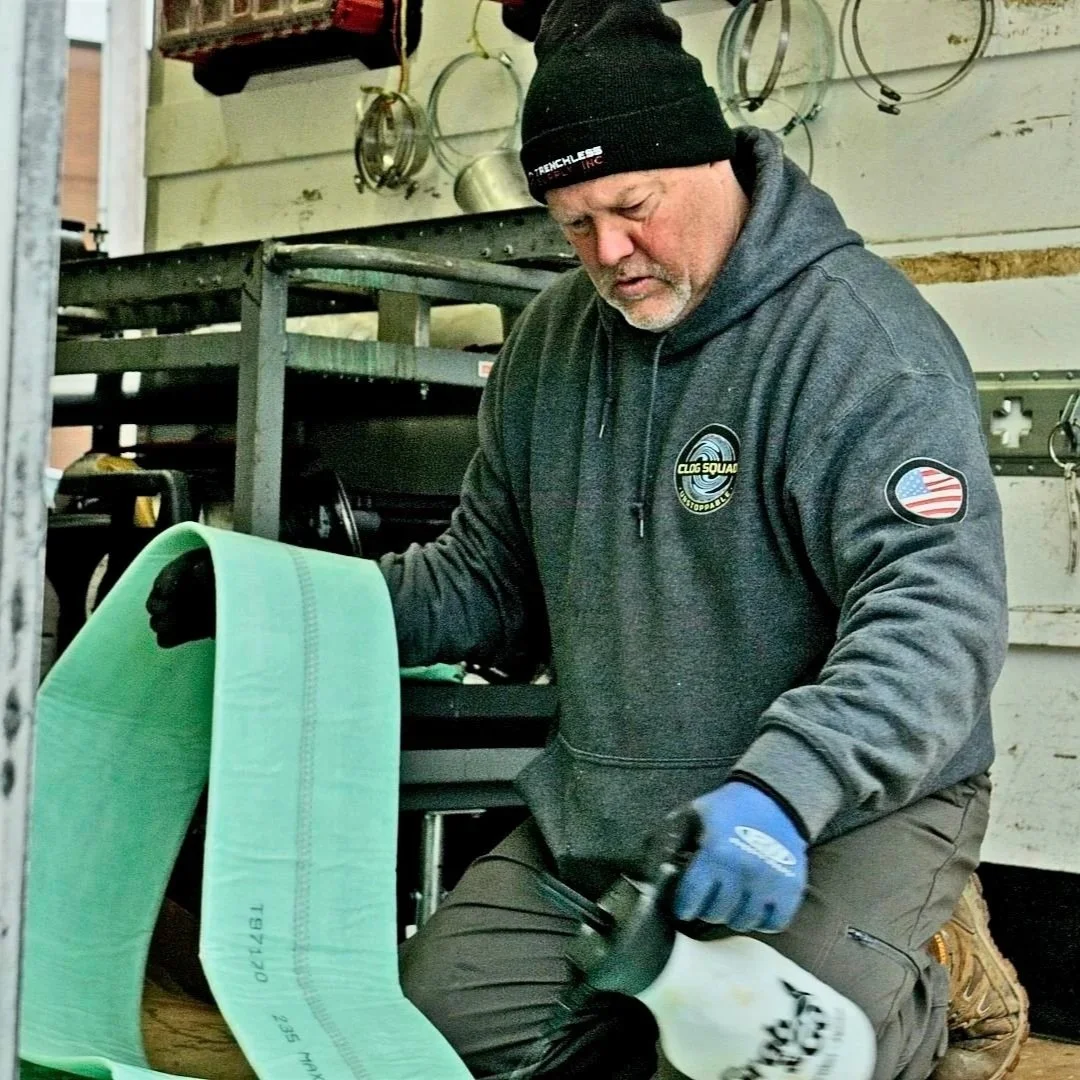
Technician preparing trenchless pipe lining material during professional drain cleaning service to restore damaged sewer lines efficiently and prevent backups.
Professional drain cleaning services are often discussed, but most homeowners have only a vague idea of what actually happens when a technician shows up or why the problem keeps coming back after store-bought fixes fail. From the outside, a clogged drain looks simple. Water slows down, a gurgle shows up, maybe a smell creeps in. From years in the field, the reality is rarely that straightforward. Drains fail in layers over time, often far from where symptoms appear. Understanding what professionals actually do starts with recognizing that drain systems are not isolated pipes but interconnected pathways influenced by use habits, materials, layout, and age.
In real homes, drain issues rarely announce themselves clearly. A slow kitchen sink might trace back to grease buildup deep in the line, while a bathroom backup can point to shared branch lines collecting debris from multiple fixtures. Professional drain cleaning services step in when problems cross the line from nuisance to system issue. Rather than guessing, professionals assess the entire flow path, identify restrictions, and select tools designed to remove buildup without damaging the pipe. The goal goes beyond restoring flow for the moment. It involves addressing conditions that lead to recurring clogs, odors, and backups that homeowners often accept as normal when they are anything but.
How Drain Systems Fail Over Time In Real Homes
Drain systems age quietly. Pipes do not fail all at once. They collect residue, shift slightly, and react to changes in use year after year. In kitchens, grease hardens along pipe walls, catching food particles that initially slide through but accumulate over time. Bathrooms see a steady buildup of soap residue, hair, and mineral scale, forming layers that narrow the pipes from the inside. Laundry drains introduce lint and detergent buildup that behaves differently than kitchen or bathroom waste, often sticking to rough interior surfaces of older piping. Professional drain cleaning services focus on these patterns rather than isolated blockages.
Homes with older plumbing materials face additional challenges. Cast iron pipes corrode internally, creating rough surfaces that trap debris faster than smooth modern piping. Clay sewer lines can crack or shift, allowing roots to intrude even when no trees sit nearby. PVC systems, while smoother, still develop buildup when usage habits exceed the pipe diameter or the slope. Drain failures develop quietly until one day, water stops moving as it should. Professional drain cleaning services recognize these long-term conditions and adjust cleaning methods accordingly, since aggressive techniques that work in one pipe type can damage another if used blindly.
What Happens During A Professional Drain Inspection
Before cleaning begins, professional drain cleaning services often start with an inspection. A proper inspection goes beyond surface symptoms and examines the entire drain path. Technicians assess fixture behavior, listen for gurgling, check venting performance, and evaluate how quickly water evacuates under load. In many cases, camera inspections allow direct visualization of pipe interiors, revealing grease layers, root intrusion, corrosion, or collapsed sections. Seeing the problem changes the approach completely compared to guessing based solely on symptoms.
Inspection also helps rule out issues that cleaning alone cannot solve. A drain clogged with grease responds well to mechanical cleaning, while a sagging pipe or severe corrosion will continue to cause problems even after debris removal. Professional drain cleaning services rely on inspection to avoid false fixes that leave homeowners frustrated weeks later. The process clarifies what can be cleaned, what should be monitored, and what may require repair or replacement. Without inspection, drain cleaning becomes a temporary reset rather than a meaningful correction.
Mechanical Snaking Versus Full Line Cleaning
Many homeowners assume professional drain cleaning services simply involve a bigger version of a store-bought snake. Mechanical snaking does play a role, but its purpose differs from that of full-line cleaning. Snakes work by punching through clogs, restoring minimal flow. They do not clean pipe walls or remove residue along the length of the line. In emergencies, snaking restores functionality quickly, especially when a localized blockage causes immediate backup.
Full line cleaning takes a broader approach. Instead of just opening a hole through the clog, professional drain cleaning services remove the buildup from the pipe walls. This process addresses the narrowing that leads to repeated clogs rather than a single blockage point. In kitchens, this difference becomes critical, since grease tends to coat long stretches of pipe rather than forming one solid obstruction. Without a thorough cleaning, drains clog again as soon as debris catches on the remaining residue.
The Role Of Hydro Jetting In Drain Maintenance
Hydro jetting represents one of the most effective tools used by professional drain cleaning services, though it is not appropriate for every situation. Hydro jetting uses high-pressure water streams to scour the interior of pipes, removing grease, sludge, scale, and debris. When performed correctly, it restores the pipe diameter to near its original condition without chemicals. For heavily used lines or recurring problems, hydro jetting provides longer-lasting results than mechanical methods alone.
Pipe condition is a major factor when considering hydro jetting. Older or fragile piping may not tolerate high pressure, which is why inspection remains critical. In newer systems, hydro jetting clears years of buildup in a controlled manner, leaving drains flowing freely. Professional drain cleaning services adjust pressure, nozzle type, and technique based on pipe material and condition. The goal remains thorough cleaning without introducing new damage that leads to leaks or failure down the line.
How Professional Drain Cleaning Services Handle Tree Roots
Tree roots are among the most misunderstood causes of drain problems homeowners face. Roots do not break into healthy pipes by force alone. They exploit small cracks, joints, or weak points, growing slowly until they restrict flow. Symptoms often appear far from the actual intrusion point. Professional drain cleaning services locate root intrusions using cameras and address them with specialized cutting tools or jetting techniques designed to clear roots without shattering pipe walls.
Clearing roots differs from preventing their return. Drain cleaning removes existing growth, but roots return if structural issues remain. Professional drain cleaning services often clearly explain the long-term implications, outlining monitoring schedules, maintenance cleaning, or pipe lining options where appropriate. Ignoring root issues leads to recurring backups that worsen each time, eventually resulting in complete collapse if left unaddressed. Understanding this distinction helps homeowners plan rather than react repeatedly.
Why Chemical Drain Cleaners Make Problems Worse
Chemical drain cleaners appeal because they promise fast results with little effort. In reality, these products often compound drain problems. Many chemicals generate heat that temporarily softens grease, allowing water to pass before the residue rehardens farther down the line. Others damage pipe walls, especially in older metal systems, accelerating corrosion and creating rough surfaces that catch debris more easily. Professional drain cleaning services routinely encounter pipes weakened or damaged by repeated chemical use.
Another issue lies in incomplete clearing. Chemicals rarely fully remove buildup, leaving partial obstructions that worsen over time. When professionals later attempt mechanical cleaning or hydro jetting, chemical residue poses safety risks and complicates the process. Professional drain cleaning services prefer methods that physically remove debris rather than masking symptoms. Over time, avoiding chemicals extends pipe lifespan and reduces emergency service calls.
Warning Signs That Indicate Professional Help Is Needed
Drain problems rarely escalate without warning. Slow drainage across multiple fixtures, recurring clogs despite repeated clearing, foul odors, gurgling sounds, or water backing up into lower fixtures all indicate deeper issues. Professional drain cleaning services recognize these patterns as signs of system-level problems rather than isolated clogs. Waiting until complete blockage often results in property damage and higher repair costs.
Seasonal changes also reveal hidden problems. Heavy rain can overwhelm compromised sewer lines, causing backups that appear unrelated to weather at first glance. Increased household use during holidays or gatherings can expose restrictions that would otherwise go unnoticed. Professional drain cleaning services help identify vulnerabilities before failure, allowing proactive cleaning rather than an emergency response once damage has already begun.
How Professional Drain Cleaning Differs From Routine Maintenance
Maintenance cleaning differs from emergency service in both approach and outcome. Professional drain cleaning services offer maintenance options that remove buildup before it restricts flow. This approach extends pipe life, improves drainage performance, and reduces unexpected failures. Maintenance often targets known problem areas, such as kitchen lines, laundry drains, or main sewer connections.
Homeowners who rely solely on reactive service tend to experience repeat issues. Each emergency clearing restores function briefly while leaving conditions that caused the blockage intact. Professional drain cleaning services that focus on maintenance educate homeowners about realistic cleaning intervals based on usage patterns, pipe materials, and household size. Long-term ownership benefits from treating drains as systems that require care rather than as fixtures that fail randomly.
What Happens When Drain Issues Are Ignored
Ignoring drain problems rarely leads to stability. Partial blockages worsen as debris continues collecting at restriction points. Water seeks alternative paths, sometimes forcing sewage into unintended areas such as floor drains or lower fixtures. Pressure builds in pipes not designed to hold standing water, stressing joints and seals. Professional drain cleaning services often see damage that began as a slow drain but escalated into leaks, pipe separation, or foundation moisture issues.
Beyond structural damage, health concerns emerge when drains fail. Standing wastewater supports bacterial growth and produces odors that migrate into living spaces. Mold thrives in damp conditions created by unnoticed leaks or backups. Professional drain cleaning services address both immediate symptoms and underlying causes, preventing long-term issues that compromise indoor air quality and property safety.
How Professional Tools Make The Difference
The equipment used by professional drain cleaning services separates effective cleaning from temporary relief. Commercial-grade machines deliver torque and reach beyond consumer tools, enabling thorough cleaning without damaging pipes. Camera systems guide decisions rather than guesswork, while jetting equipment adapts to pipe diameter and material. These tools work together to deliver outcomes that DIY methods cannot safely replicate.
Experience matters just as much as equipment. Knowing how much pressure to apply, which attachment to use, and when to stop prevents costly mistakes. Professional drain cleaning services rely on training and real-world experience rather than trial and error. This combination protects plumbing systems while delivering reliable results that hold up under regular use.
When Professional Drain Cleaning Becomes Preventative Care
Professional drain cleaning services offer more than crisis response. In many homes, scheduled cleaning prevents emergencies entirely. Properties with heavy usage, older infrastructure, or known vulnerabilities benefit most from proactive care. Restaurants, multi-family buildings, and older residences often rely on routine cleaning to maintain functionality.
Preventative cleaning shifts the focus from reacting to planning. Instead of waiting for backups, homeowners gain predictability and control. Professional drain-cleaning services tailor schedules to observed conditions rather than arbitrary timelines. This approach reduces stress, protects property value, and avoids the disruption associated with sudden failures.
FAQs
How often should professional drain cleaning services be used?
+Frequency depends on usage, pipe material, and history of issues. Homes with recurring clogs or older plumbing benefit from annual or biennial cleaning, while newer systems with light use may only need service when symptoms appear.
Do professional drain cleaning services damage pipes?
+When performed correctly, professional methods protect pipes rather than harm them. Inspection guides tool selection and pressure levels, preventing damage that often results from improper DIY techniques.
Can professional drain cleaning remove odors permanently?
+Odors often result from organic buildup inside pipes. Professional drain cleaning services remove the source rather than masking smells, leading to lasting improvement when underlying conditions are addressed.
Is hydro jetting safe for all homes?
+Hydro jetting suits many systems, but not all. Pipe age, material, and condition determine suitability, which is why inspection comes first before selecting cleaning methods.
What makes professional drain cleaning better than store products?
+Professional drain cleaning services physically remove buildup using specialized tools and experience. Store products rarely clean pipes fully and often worsen long-term conditions.
