
When Basic Drain Cleaning Is Not Enough and What a Deeper Solution Involves
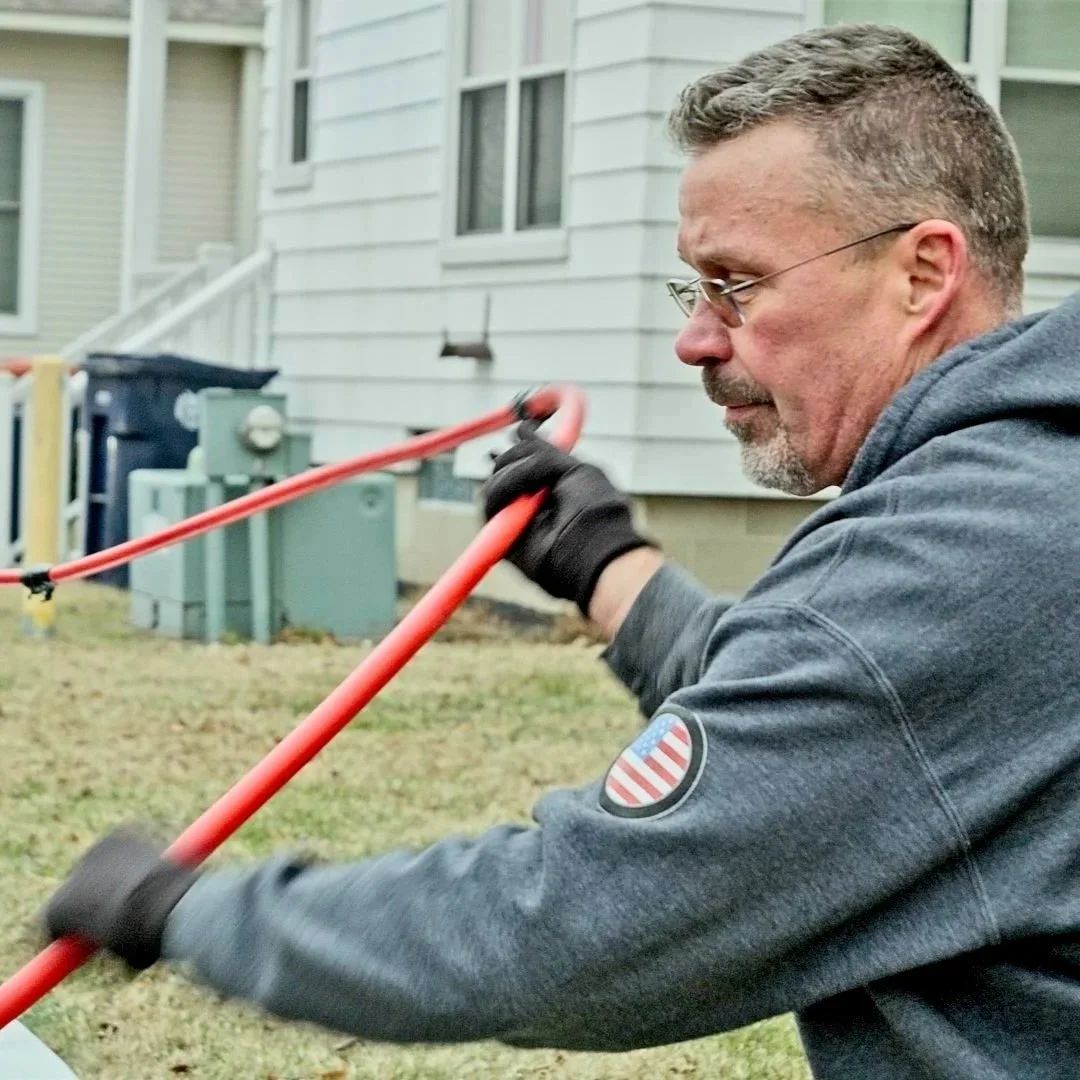
Technician performing advanced drain cleaning using professional equipment to clear deep blockages and restore full pipe flow efficiency.
Basic drain cleaning works well for surface-level clogs, but many homeowners discover the hard way that restoring flow does not always mean the problem is solved. Water starts moving again, confidence returns, and life goes on until the same drain slows down weeks or months later. From real-world experience, recurring issues almost always point to something deeper within the system. Drain lines collect years of buildup, suffer subtle damage, or develop structural weaknesses that simple clearing cannot correct. Understanding when basic drain cleaning becomes ineffective helps property owners avoid repeated frustration and escalating repair costs.
Deeper drain solutions address conditions that develop over time rather than isolated blockages. Pipes shift, materials degrade, and usage patterns change, all of which affect how waste moves through a system. A quick cleaning may remove enough debris to restore temporary flow, but underlying restrictions remain. Professional drain cleaning services look beyond symptoms and focus on why a system fails repeatedly. Recognizing the difference between a one-time clog and a systemic issue marks the point where deeper intervention becomes necessary.
Why Repeated Clogs Signal A System-Level Problem
A drain that clogs once may simply reflect a momentary overload. A drain that clogs repeatedly tells a different story. In homes with recurring issues, debris tends to collect at predictable points where pipe slope changes, diameter narrows, or interior surfaces roughen with age. Grease lines kitchen drains, soap residue coats bathroom piping, and mineral deposits harden inside water lines. Each layer reduces effective pipe diameter, increasing resistance and trapping more material over time.
Professional drain cleaning services encounter these patterns frequently. Clearing a single obstruction restores flow briefly, but the remaining buildup acts like a net waiting for the next load of debris. Over months or years, the interval between clogs shortens. Homeowners often respond by cleaning more aggressively or using chemicals, which can worsen the condition of the pipes. Recognizing repeated clogs as a system-level warning prevents the cycle of temporary fixes and opens the door to long-term solutions.
How Partial Cleaning Leaves Hidden Restrictions Behind
Basic drain cleaning typically targets the most restrictive point blocking flow. Mechanical snaking punches through debris, creating a narrow channel that allows water to pass. Pipe walls remain coated with residue that continues to capture solids. In kitchen drains, grease softens under warm water, flows briefly, then rehardens downstream where temperatures drop. In bathroom drains, hair and soap combine into sticky layers that rebuild quickly.
Deeper solutions involve removing buildup along the entire affected section rather than opening a single path. Professional drain cleaning services use methods designed to clean pipe walls, not just penetrate clogs. Without a full cleaning, hidden restrictions remain active, and performance continues to decline. Homeowners may misinterpret restored flow as resolution, but recurring symptoms reveal incomplete treatment.
When Pipe Materials Influence The Right Solution
Pipe material plays a major role in determining whether basic cleaning suffices. Older homes often contain cast-iron or clay piping, both of which are prone to internal deterioration. Cast iron corrodes from the inside, creating rough surfaces that trap debris rapidly. Clay pipes shift and crack over time, allowing soil movement and root intrusion. Basic cleaning removes debris but does not address the inherent structural weaknesses of these materials.
Modern PVC systems perform better but still develop problems when the installation slope falls short or usage overwhelms design. Professional drain-cleaning services evaluate the pipe material before selecting a more invasive solution. Aggressive techniques applied without regard to material condition risk accelerate failure. Matching the method to the material protects pipe integrity while effectively addressing underlying issues.
The Role Of Camera Inspections In Identifying Deeper Issues
Camera inspection transforms drain diagnosis from guesswork to clarity. Visual access to pipe interiors reveals conditions that symptoms alone cannot explain. Grease layers, root intrusion, corrosion, bellies, and separated joints become immediately apparent. Professional drain cleaning services rely on inspection to determine whether cleaning alone will solve the problem or if structural repair becomes necessary.
Inspection also prevents unnecessary work. Cleaning a pipe with a severe sag restores flow temporarily but does not address the standing water that continuously collects debris. Without inspection, homeowners pay repeatedly for cleaning that cannot resolve the root cause. Camera data allows informed decisions, realistic expectations, and appropriate escalation to deeper solutions when required.
Hydro Jetting As A Step Beyond Basic Cleaning
Hydro jetting represents a more thorough approach designed to restore the interior surfaces of pipes. High-pressure water scours buildup from pipe walls, removing grease, sludge, mineral scale, and organic debris. Unlike snaking, hydro jetting cleans the entire pipe diameter over extended lengths. Professional drain-cleaning services use hydro jetting to clear heavily used or chronically problematic lines.
Suitability depends on pipe condition. Fragile or severely deteriorated pipes may not tolerate high pressure. Inspection determines whether hydro jetting benefits or risks the system. When appropriate, hydro jetting delivers longer-lasting results, improves drainage efficiency, and reduces odor issues caused by residual buildup. It addresses the cumulative effects of years of use rather than isolated blockages.
Tree Roots And Why Cleaning Alone Falls Short
Tree roots exploit weak points in sewer lines, growing slowly until they restrict flow. Cutting roots restores drainage but does not eliminate the entry point. Basic cleaning temporarily removes roots, but regrowth occurs when cracks or joint gaps remain open. Professional drain cleaning services view root intrusion as both a cleaning and structural issue.
Deeper solutions may involve repeated maintenance cutting, responsible chemical root treatments, or pipe lining to seal intrusion points. Ignoring structural vulnerabilities leads to more aggressive root growth and eventual pipe failure. Addressing the root causes comprehensively prevents escalating damage and repeated backups that disrupt daily life.
Pipe Bellies And Structural Sagging Problems
A pipe belly forms when a section of pipe sags, creating a low point where water and debris collect. Bellies develop due to soil settlement, improper installation, or material degradation. Basic drain cleaning temporarily removes debris, but water continues to pool in the sagged section. Each use deposits new material, accelerating clog formation.
Professional drain cleaning services identify bellies through camera inspection. Cleaning alone cannot correct slope issues. Deeper solutions may involve pipe replacement, regrading, or lining, depending on severity. Recognizing bellies early prevents repeated cleaning costs and reduces the risk of complete blockage or overflow.
When Odors Persist Despite Clean Drains
Persistent drain odors often signal organic buildup remaining after basic cleaning. Biofilm coats the interior of pipes, feeding bacteria that produce foul odors. Partial cleaning fails to fully remove these layers, allowing odors to return quickly. Professional drain cleaning services address odors by targeting biofilm and residue along entire pipe sections.
Deeper cleaning methods improve indoor air quality and eliminate recurring smells. Odors should never be dismissed as cosmetic issues. They often indicate conditions that compromise drainage performance and sanitation. Treating odors seriously leads to healthier living environments and fewer long-term problems.
The Limits Of Chemical Drain Cleaners
Chemical drain cleaners promise convenience but rarely deliver lasting results. Many products rely on heat or corrosive reactions to temporarily soften clogs, but they also damage pipe surfaces. In older systems, chemicals accelerate corrosion, increasing roughness that traps debris more readily. Professional drain-cleaning services often encounter pipes weakened by repeated chemical use.
Chemicals also fail to address buildup beyond the immediate blockage point. Residue travels downstream, creating new restrictions. Deeper solutions rely on mechanical removal rather than chemical reactions. Avoiding chemicals protects pipe longevity and improves the effectiveness of professional interventions.
How Deeper Drain Solutions Protect Property Value
Drain systems affect more than convenience. Chronic drainage problems impact property value, insurance risk, and resale potential. Buyers and inspectors quickly notice recurring issues. Professional drain cleaning services help homeowners address problems thoroughly rather than masking symptoms. Deeper solutions demonstrate responsible ownership and system integrity.
Water damage from backups threatens flooring, walls, and foundations. Mold growth follows moisture intrusion, posing health risks and requiring costly remediation. Investing in comprehensive drain solutions protects both structural components and occupant well-being over time.
When Replacement Or Lining Becomes The Best Option
In some cases, cleaning reaches its practical limit. Pipes with extensive corrosion, collapse, or separation require structural intervention. Pipe lining offers a less invasive option by creating a new interior surface within existing piping. Professional drain cleaning services evaluate whether lining restores functionality or if full replacement becomes necessary.
Decisions depend on pipe condition, location, and long-term goals. Deeper solutions prioritize durability and reliability rather than repeated temporary fixes. Understanding when to escalate prevents wasted expense and ongoing disruption.
Why Experience Matters In Choosing The Right Solution
Selecting the right deeper solution requires experience, not guesswork. Professional drain cleaning services combine inspection data, material knowledge, and real-world outcomes to guide recommendations. Overcleaning, undercleaning, or misapplying techniques creates new problems rather than resolving existing ones.
Experienced professionals recognize patterns, anticipate complications, and adjust methods accordingly. Trust develops when homeowners see consistent results rather than repeated failures. Deeper solutions succeed when expertise guides every step.
FAQs
How can a homeowner tell if basic drain cleaning is no longer enough?
+Recurring clogs, persistent odors, slow drainage across multiple fixtures, or frequent backups signal deeper system issues that basic cleaning cannot resolve.
Does hydro jetting replace the need for pipe repair?
+Hydro jetting cleans pipes thoroughly but does not fix structural defects like cracks, bellies, or collapsed sections. Inspection determines whether repair or lining is needed.
Are deeper drain solutions more expensive in the long run?
+While upfront costs may increase, deeper solutions reduce the need for repeated service calls, emergency repairs, and property damage, often lowering total ownership costs over time.
Can older homes benefit from modern drain solutions?
+Older homes often benefit the most from deeper solutions due to aging materials and accumulated buildup. Methods adapt to pipe condition and material.
How long do deeper drain solutions last?
+Longevity depends on pipe condition, usage patterns, and maintenance. Comprehensive cleaning, combined with monitoring or structural correction, delivers significantly longer-lasting relief than basic cleaning alone.
