
When a Sewer Camera Inspection Is the Smart First Step for Ongoing Drain Problems
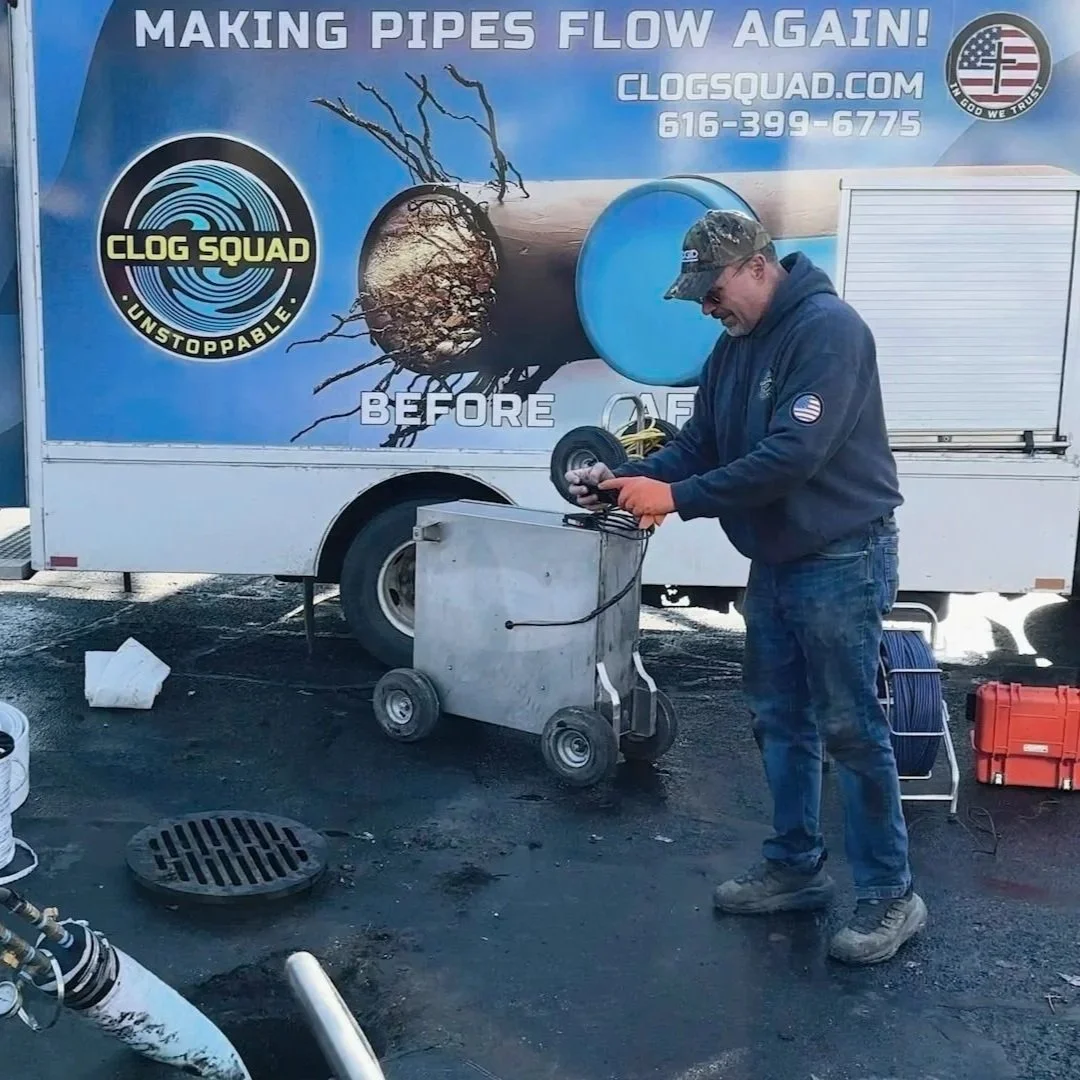
Technician performing sewer camera inspection to diagnose recurring drain and main line problems without excavation.
Persistent drain issues can be frustrating for homeowners. Slow sinks, recurring clogs, sewer odors, and occasional backups often signal underlying problems in the main sewer line or lateral connections. While many homeowners attempt repeated plunging, snaking, or chemical solutions, these methods address only symptoms, not the root cause. A sewer camera inspection provides the insight needed to identify the source of recurring problems, enabling accurate repairs and long-term solutions.
A sewer camera inspection uses a small, high-resolution camera attached to a flexible rod that travels through the pipe. Real-time video reveals cracks, blockages, root intrusions, corrosion, joint separation, and other hidden issues. By pinpointing the exact location and nature of the problem, homeowners can avoid unnecessary digging, repeated temporary fixes, and costly trial-and-error repairs. For ongoing drain problems, it’s a smart first step toward effective maintenance and repair.
Understanding Common Causes of Recurring Drain Problems
Recurring drain issues can stem from several underlying causes. Tree roots often infiltrate older pipes, particularly clay and cast iron lines, through small cracks or separations. Roots can grow inside the pipe, obstructing flow and causing repeated clogs. Corrosion in metal pipes, scaling in galvanized or steel pipes, and shifting soil that separates pipe joints can also create chronic blockages.
Older homes are particularly susceptible. Pipes installed decades ago may no longer meet modern standards, and the materials used—such as clay, cast iron, or early PVC—can deteriorate over time. Even minor damage can gradually worsen, leading to frequent backups or reduced flow. Identifying the root cause early prevents damage escalation, reduces maintenance costs, and protects property from leaks or foundation issues.
How Sewer Camera Inspections Work
The inspection begins by accessing the pipe through a cleanout or a strategically opened section of the plumbing system. A plumber feeds a flexible rod equipped with a high-resolution camera into the pipe. The camera transmits real-time video to a monitor, allowing the plumber to examine the interior of the sewer or drain line.
Professional inspections often include a push camera for short lines or lateral lines and a reel camera for longer mains. Some systems are equipped with laser measurement or locator tools to pinpoint exact distances and angles of damage. Homeowners receive a visual report showing the condition of the pipe, which informs repair decisions, whether it’s a simple cleaning, pipe lining, or replacement.
Benefits of Starting With a Sewer Camera Inspection
One of the primary benefits is accurate diagnosis. Rather than guessing where the problem lies, plumbers can see exactly what is causing the recurring drain issues. This eliminates unnecessary excavation, reduces repair costs, and verifies that the correct solution is implemented from the start.
Time efficiency is another advantage. Identifying the problem early allows repairs to be scheduled before a minor concern becomes a major failure. Instead of repeated plunging or snaking, homeowners can promptly address the source of the blockage or deterioration, restoring full functionality to the plumbing system.
Preventing Costly Repairs and Property Damage
Recurring drain problems, if ignored, can escalate into serious damage. Leaks or pipe collapses can erode soil, damage foundations, or cause wastewater to infiltrate basements. By using a camera inspection to identify weak points, homeowners can take preventive action before the problem becomes catastrophic.
Sewer camera inspections are minimally invasive. They typically require only access through an existing cleanout, preventing disruption to landscaping, flooring, or hardscaping. This preserves property aesthetics and avoids the high restoration costs associated with traditional excavation.
Real-World Applications
A residential property had slow kitchen and bathroom drains for several months. Homeowners repeatedly snaked the lines, but clogs returned. A sewer camera inspection revealed root intrusion in the main lateral line. By addressing the root cause with trenchless pipe lining, the homeowner avoided excavation and enjoyed a long-term solution.
In another case, an older apartment building experienced recurring backups in multiple units. Camera inspection identified corrosion and joint separation in cast iron pipes. This allowed building managers to plan a targeted trenchless replacement without disturbing tenants or disrupting operations, demonstrating the value of accurate, visual diagnostics.
How Sewer Camera Inspections Inform Trenchless Repairs
Camera inspections are especially valuable when paired with trenchless repair methods such as pipe lining or spot repairs. By pinpointing damaged sections, plumbers can install liners only where needed or perform targeted spot repairs, preserving the rest of the pipe.
The inspection also confirms pipe diameter, material, and length, making sure that resin or lining methods are applied correctly. For homeowners or property managers, this reduces the risk of incomplete repairs and maximizes the lifespan of the rehabilitated pipe.
Signs a Camera Inspection Is Needed
Several signs indicate that a sewer camera inspection may be the best first step: persistent slow drains, recurring clogs, foul odors near plumbing, gurgling noises, or backups in multiple fixtures. Even minor leaks or damp areas in basements can signal underlying pipe issues that require visual inspection.
Proactive inspections are particularly valuable for older homes or properties with established landscaping. Identifying damage early reduces emergency repair costs and allows for minimally invasive solutions that preserve property aesthetics.
Cost Considerations
Sewer camera inspections are relatively affordable compared to excavation and repeated trial-and-error repairs. While pricing depends on pipe length, access points, and property complexity, inspections typically cost a fraction of the cost of full replacement or excavation projects.
By accurately diagnosing problems, camera inspections prevent unnecessary labor and restoration costs, making them a cost-effective first step for ongoing drain issues. When combined with trenchless solutions, homeowners can address plumbing problems efficiently and economically.
Environmental and Property Advantages
Camera inspections reduce environmental impact by avoiding large-scale excavation. Soil and landscaping remain undisturbed, machinery use is minimized, and wastewater leaks are identified and promptly repaired to prevent contamination.
Property preservation is another benefit. For homes with lawns, patios, driveways, or hardscaping, inspections prevent unnecessary damage. Visual inspections allow targeted repairs, preserving aesthetics while restoring functionality.
Future of Sewer Camera Technology
Sewer camera technology continues to advance. High-definition imaging, laser measurement, and remote data collection improve accuracy and speed. Some systems integrate with digital records, allowing homeowners to track pipe conditions over time.
For ongoing maintenance, periodic camera inspections help identify early wear, corrosion, or minor root intrusion before they escalate into full-blown plumbing failures. As technology improves, homeowners can rely on inspections to plan long-term maintenance strategies, minimizing unexpected issues and disruption.
FAQs
How Often Should a Sewer Camera Inspection Be Performed?
+For older homes or properties with recurring drain issues, inspections every three to five years are recommended. More frequent inspections may be necessary if recurring clogs or leaks are present.
Can a Camera Inspection Detect Root Intrusion?
+Yes. High-resolution cameras can identify tree roots infiltrating the pipe, allowing for targeted removal or trenchless repairs to prevent future blockages.
Is Sewer Camera Inspection Invasive?
+No. Camera inspections typically require only access through a cleanout, avoiding excavation, landscaping disruption, or major property damage.
Will a Camera Inspection Prevent Future Plumbing Problems?
+It identifies current issues and enables precise repairs, but long-term prevention requires addressing the root cause, such as lining, replacement, or regular maintenance.
Are Camera Inspections Cost-Effective?
+Yes. They help diagnose problems accurately, preventing unnecessary excavation, trial-and-error repairs, and repeated service calls, making them a cost-efficient first step for ongoing drain problems.
