
When Trenchless Pipe Lining Makes More Sense Than Digging Up Your Yard
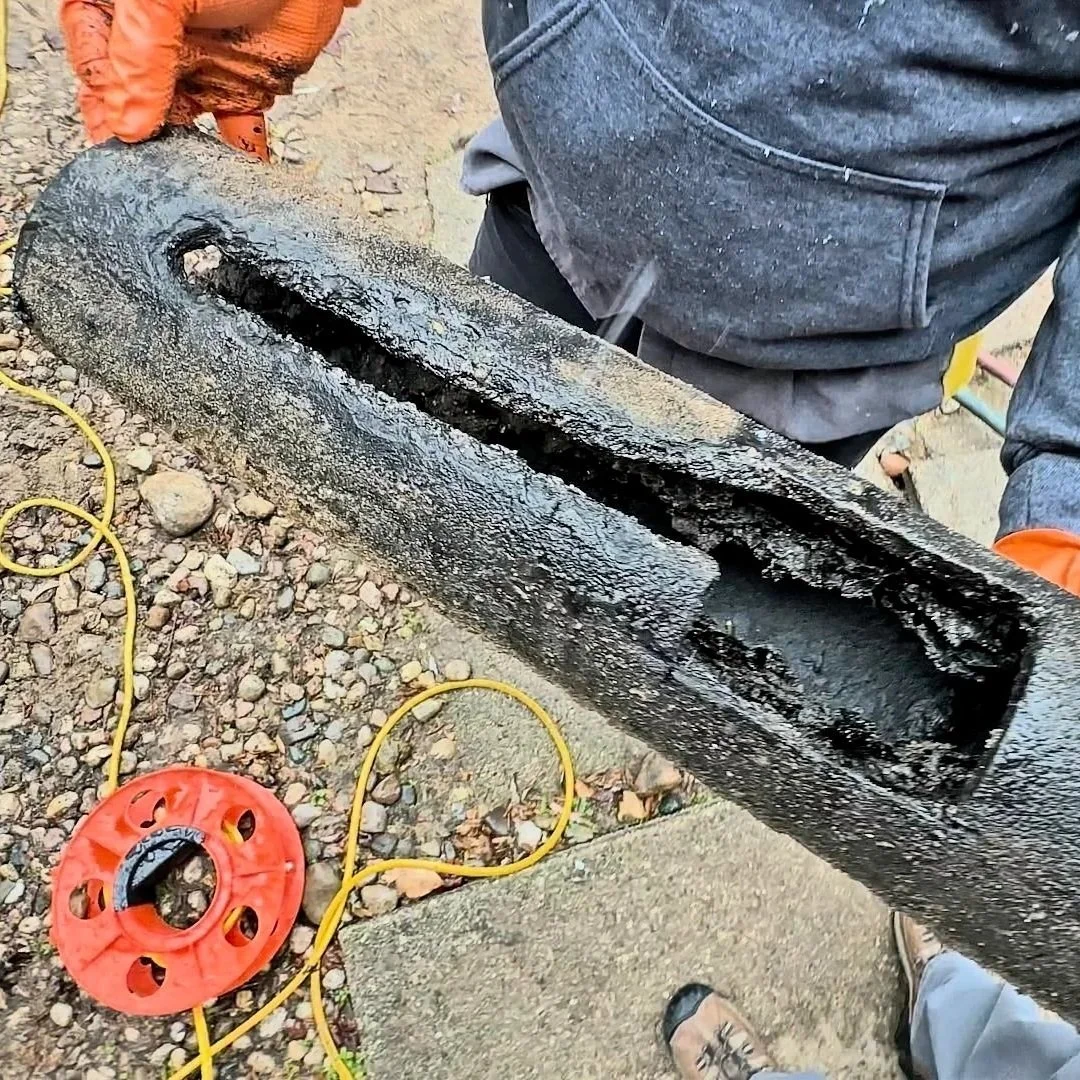
Damaged sewer pipe section showing severe internal corrosion before trenchless pipe lining restoration process.
Homeowners often face a dilemma when it comes to repairing aging or damaged sewer and water lines. The instinct is to dig up the yard and replace the pipes directly, which seems straightforward. While excavation certainly works, it comes with a long list of challenges that most property owners underestimate until the first shovel hits the ground. Trenchless pipe lining offers a modern alternative that avoids the upheaval, saving time, labor, and stress.
Understanding when this method is preferable to traditional digging requires a thorough assessment of your pipes' condition, your property's layout, and the long-term benefits of a less invasive approach.
Trenchless pipe lining isn't just a gimmick or a temporary fix. It involves inserting a resin-coated liner into the existing damaged pipe, then curing it in place to form a brand-new, durable pipe within the old one. This method has been refined over decades and is widely used by professional plumbers for situations where excavation would cause unnecessary disruption. For homeowners who value both efficiency and the preservation of their landscaping, understanding the advantages and limitations of trenchless technology is crucial.
Why Traditional Excavation Can Be Risky and Costly
Digging up a yard to replace old pipes may seem simple in theory, but it often leads to unexpected problems. First, excavation requires removing topsoil, vegetation, and sometimes even hardscape elements like patios, driveways, or sidewalks. The disruption can significantly increase labor costs, and homeowners often find themselves paying not just for the pipe replacement but also for landscaping repairs. In older properties with large, established gardens, this can add thousands of dollars to an already expensive project.
Beyond cost, excavation also carries the risk of hitting underground utilities. Electrical, gas, and irrigation lines frequently run close to sewer and water pipes, especially in residential areas. Even experienced contractors can't predict every obstacle, and accidental damage can halt a project or create dangerous situations. Additionally, digging through compacted soil or rocky terrain can significantly slow progress, leaving homeowners with a construction zone in their yard for days or even weeks. These factors often make trenchless methods more appealing, particularly when time and property preservation are priorities.
How Trenchless Pipe Lining Works
The trenchless pipe lining process begins with a careful inspection of the existing pipes. Plumbers use specialized cameras to assess the condition of the line, identifying cracks, corrosion, blockages, or root intrusions. This step is essential because not all pipes are suitable for lining. Severe collapses or missing sections may still require traditional excavation. However, when the existing pipe is mostly intact but compromised, lining becomes an effective solution.
Once the inspection confirms suitability, the plumber cleans the interior of the pipe using high-pressure water jets to remove debris, roots, and sediment. After cleaning, a flexible liner saturated with epoxy resin is inserted into the pipe. The liner is then expanded to fit tightly against the walls, and the resin is cured using hot water, steam, or ultraviolet light, depending on the system used. The result is a seamless, jointless new pipe inside the old one. Because it doesn't require digging trenches across the yard, the process is faster, cleaner, and generally less expensive than traditional excavation.
Situations Where Trenchless Pipe Lining Excels
Trenchless pipe lining is particularly advantageous in properties with established landscaping, concrete driveways, or other surface features that homeowners want to protect. Replacing a pipe under a lawn or flowerbed can destroy years of careful planning, but trenchless methods minimize disturbance. Homeowners often report that the work feels more like a routine maintenance procedure than a major construction project.
Another situation where trenchless lining shines is when dealing with pipes that run beneath hard-to-access areas. Pipes under homes, garages, or patios often require significant effort to reach if excavation is used. Trenchless methods allow plumbers to access the line from nearby cleanouts or entry points, avoiding structural damage and minimizing risk. Additionally, trenchless technology can be used in urban settings where digging up streets or sidewalks could require permits, traffic control, or extended downtime, making the less invasive option more practical.
Longevity and Durability of Trenchless Pipes
One common misconception is that trenchless pipe lining is a temporary fix. In reality, modern epoxy liners are incredibly durable and can extend the life of existing pipes by 50 years or more. The resin used is resistant to corrosion, chemical erosion, and root intrusion, addressing the common causes of pipe failure in older plumbing systems. This makes trenchless lining a long-term solution rather than a stopgap.
Maintenance for lined pipes is straightforward. Since the interior is smooth and jointless, it reduces the likelihood of blockages, improving water flow and preventing sediment buildup. Homeowners often see immediate improvements in water pressure and drainage performance. Over time, trenchless pipes require the same general maintenance as standard plumbing, but with far less risk of sudden collapses or leaks, giving property owners peace of mind without the ongoing disruption that traditional excavation can bring.
When Excavation Might Still Be Necessary
While trenchless pipe lining offers significant benefits, it isn't always the right choice. In cases where the pipe is severely collapsed, has multiple missing sections, or is misaligned beyond repair, trenchless methods cannot provide a permanent fix. Plumbers will recommend excavation in these scenarios because replacing the pipe completely is the only way to guarantee reliable performance.
Additionally, older properties with non-standard pipe materials may face compatibility issues. For example, pipes made from certain types of cast iron, clay, or brittle plastics may not bond properly with resin liners. Structural issues around the pipe, like foundation settling or shifting soil, may also necessitate a full replacement. In these situations, homeowners benefit from working with an experienced plumber who can evaluate whether trenchless lining will hold up over time or if excavation is unavoidable.
Cost Considerations: Short-Term vs Long-Term
At first glance, trenchless pipe lining can seem more expensive than digging, particularly if the yard is relatively easy to excavate. However, when factoring in labor, restoration, and potential landscaping damage, the total cost often favors trenchless solutions. Homeowners save money by avoiding removal and replacement of lawns, gardens, sidewalks, or driveways, which can be surprisingly pricey.
Long-term costs also tip the scale in favor of trenchless methods. Lined pipes are less prone to leaks and blockages, reducing emergency repair costs. Additionally, trenchless repairs can often be completed in a day or two, minimizing disruption to daily life and avoiding temporary water shutoffs for extended periods. In contrast, excavation can take several days or weeks, particularly on larger properties or in areas with complex underground layouts, leading to indirect costs that aren't immediately apparent but add up quickly.
Environmental Benefits of Trenchless Methods
Trenchless pipe lining is more environmentally friendly than traditional excavation. By avoiding large-scale digging, it minimizes soil disruption and reduces the need for heavy machinery that can compact the earth and damage surrounding ecosystems. Less soil removal also means less transportation of dirt and debris, lowering fuel consumption and carbon emissions associated with hauling.
Additionally, trenchless methods preserve trees, shrubs, and lawns, maintaining the natural landscape and preventing erosion that often accompanies excavation. For homeowners committed to sustainable living, these environmental considerations are increasingly important. The method also reduces water waste associated with repairing and flushing out damaged lines after traditional replacements, contributing to a more responsible approach to property maintenance.
Common Misconceptions About Trenchless Pipe Lining
Many homeowners worry that trenchless pipe lining is experimental or untested. In reality, it has been widely used for decades in both residential and municipal applications. Cities often choose trenchless rehabilitation for sewer lines because it reduces traffic disruption, limits excavation, and extends the life of aging infrastructure. Residential applications benefit from the same reliability and technological advancements.
Another misconception is that trenchless lining cannot handle root intrusion. While roots can be a major issue for cracked or corroded pipes, the epoxy lining creates a smooth, seamless surface that roots cannot penetrate. The lining also seals existing cracks, preventing future intrusion and significantly reducing the likelihood of recurring blockages. Understanding these technical advantages helps homeowners make informed decisions and appreciate why trenchless technology is considered a modern standard in plumbing repair.
Planning for a Trenchless Repair Project
Proper planning is essential for a successful trenchless pipe lining project. Homeowners should start by scheduling a thorough inspection with a licensed plumber who can evaluate the pipe's condition, identify access points, and recommend the best method for curing the liner. Some projects require temporary adjustments to water use, such as shutting off water during the curing process, so coordinating logistics in advance is important.
Homeowners should also prepare for minor surface disruptions. While the yard is largely preserved, the plumber will need access points, typically small entry and exit holes, to insert and cure the liner. These holes are minor compared to full excavation, but should still be planned to minimize impact on landscaping. Communication with a professional plumber confirms homeowners understand what to expect, the project timeline, and any precautions needed to protect plants, structures, or hardscaping during the work.
Selecting the Right Plumbing Professional
Choosing a plumber experienced in trenchless pipe lining is critical. Not all plumbing companies offer the same level of expertise or equipment. Professionals with a track record in trenchless repair bring knowledge of pipe materials, liner types, curing methods, and potential complications, which directly affect the longevity and performance of the repair.
Homeowners should verify certifications, request references, and ask to see completed projects. A qualified plumber will also provide a detailed estimate, explain the process, and discuss alternatives if trenchless methods are not suitable. Investing in the right professional upfront can prevent costly mistakes, reduce stress during the project, and give homeowners confidence that their pipes will be repaired the first time correctly.
Real-World Examples of Trenchless Success
Across residential properties, homeowners have seen remarkable results with trenchless lining. For instance, a property with an old clay sewer line running under a landscaped backyard was at risk of collapse. Traditional excavation would have destroyed the garden and required weeks of labor. Using trenchless lining, the plumber restored the line in a single day, and the garden remained intact. The homeowner reported fewer blockages and immediate improvement in flow, illustrating how minimally invasive repairs can yield maximum benefits.
Another case involved pipes running beneath a concrete driveway. Excavation would have meant breaking and replacing the driveway, a costly and time-consuming task. Trenchless repair allowed the plumber to insert the liner through existing access points, leaving the driveway untouched and cutting the project timeline in half. These examples highlight why more homeowners and plumbing professionals consider trenchless solutions the smarter, more efficient choice.
Future Trends in Trenchless Plumbing
Trenchless technology continues to evolve, with advancements in materials, curing methods, and inspection tools improving reliability and efficiency. Newer resins are more flexible and resistant to extreme temperatures, while curing processes have become faster and more environmentally friendly. Inspection cameras are increasingly sophisticated, allowing plumbers to assess pipe conditions with pinpoint accuracy, reducing the risk of surprises during repair.
Looking ahead, homeowners can expect trenchless methods to become the default approach for many types of sewer and water line repairs. As the industry adopts these technologies and more property owners recognize the benefits, traditional excavation will be reserved for cases where it is truly necessary. Staying informed about these developments helps homeowners make proactive decisions, protect their investment, and avoid unnecessary disruption to their property.
FAQs
What Is The Average Lifespan Of A Trenchless Lined Pipe?
+Trenchless-lined pipes typically last 50 years or more, depending on the quality of the resin, installation, and the condition of the existing pipe. Properly installed liners are highly resistant to corrosion, root intrusion, and chemical wear, providing long-term reliability that is similar to, or even exceeds, that of new traditional pipes.
Can Trenchless Lining Fix Any Pipe Problem?
+While trenchless lining works for most cracks, corrosion, and minor collapses, it cannot repair severely collapsed pipes, missing sections, or structurally compromised pipes. A professional inspection is required to determine if trenchless methods are appropriate or if full excavation is necessary.
Will Trenchless Lining Affect My Landscaping?
+Trenchless pipe lining minimizes disruption to lawns, gardens, and hardscaping. Only small access holes are needed for insertion and curing, leaving established landscaping intact, unlike traditional digging, which can significantly disturb a property's appearance and design.
How Long Does The Trenchless Process Take?
+Most residential trenchless lining projects are completed in a day or two, depending on the pipe length and complexity. This is significantly faster than traditional excavation, which can take several days or weeks, especially for larger yards or areas with hard-to-access pipes.
Is Trenchless Lining More Expensive Than Digging?
+While the upfront cost of trenchless lining can be similar or slightly higher than basic excavation, the total project cost is often lower due to reduced labor, restoration, and landscaping expenses. Long-term benefits, such as durability and reduced maintenance, also make trenchless methods cost-effective over time.
