
Why Drain Maintenance Programs Save Homeowners Money Over Emergency Cleanings
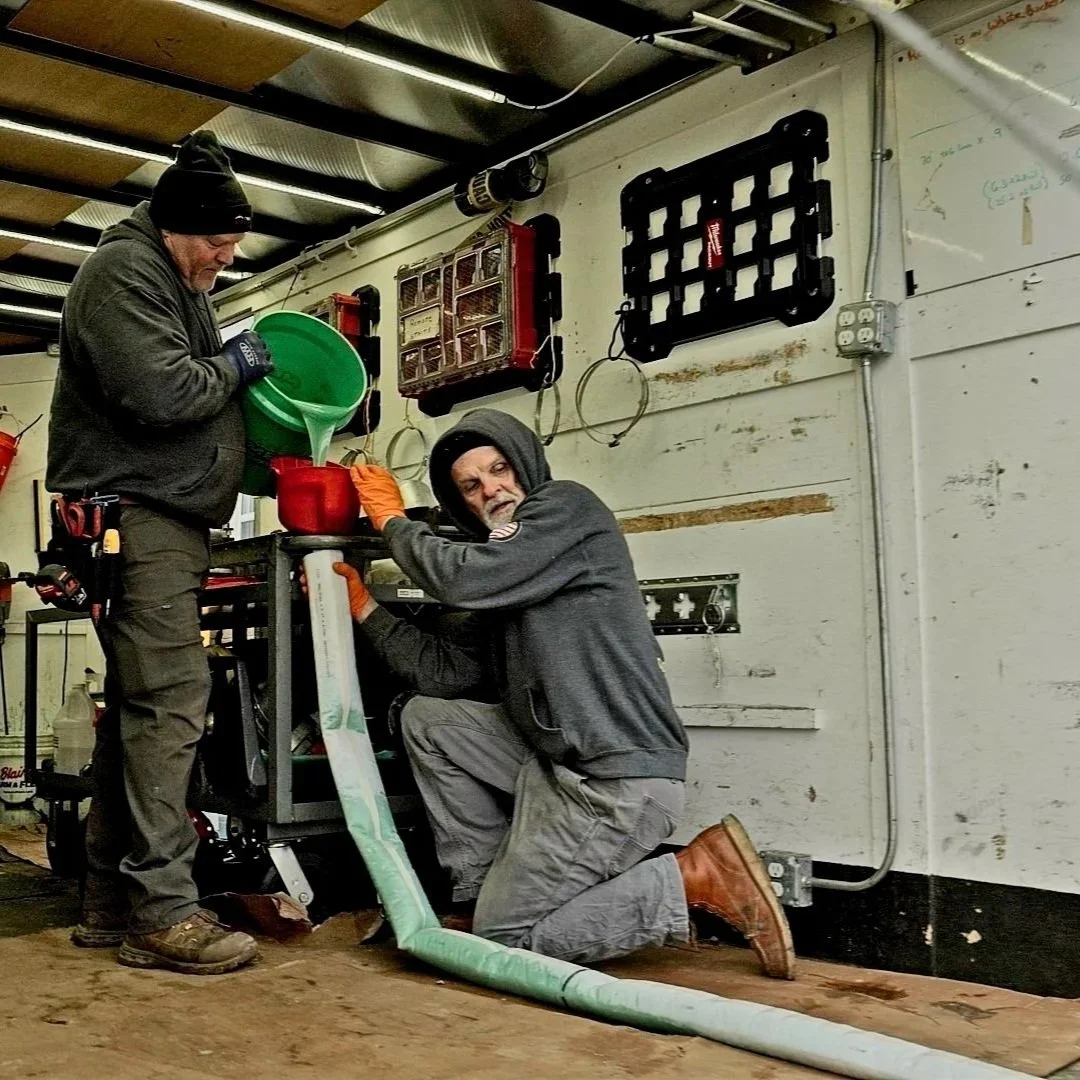
Technicians performing scheduled drain maintenance to prevent costly plumbing emergencies and extend long-term sewer system performance.
Plumbing emergencies are stressful, disruptive, and expensive. Few homeowners enjoy the surprise of a backed-up drain or a sewage overflow, yet many wait until a crisis occurs before taking action. Routine drain maintenance programs are designed to prevent emergencies before they occur, offering a cost-effective, stress-free alternative to reactive cleanings. Understanding how these programs work, why they are more efficient, and how they extend the lifespan of a home's plumbing system demonstrates the long-term value they provide to homeowners.
Drain maintenance programs involve scheduled inspections, cleanings, and preventive care tailored to a home's unique plumbing system. Licensed plumbers assess branch lines and main lines for early signs of buildup, slow drainage, root intrusion, or minor blockages. By addressing small issues before they escalate, these programs minimize the risk of a full-scale clog or backup that would require emergency service. Maintenance programs are particularly effective in homes with older plumbing, hard water, or heavy household use, where debris, grease, and mineral deposits accumulate more quickly.
The True Cost of Emergency Drain Cleaning
Emergency drain cleaning is often far more expensive than routine maintenance. When a homeowner calls a plumber during a backup, the service typically includes after-hours fees, expedited travel, and emergency labor charges. The problem may already have caused property damage, such as water seeping into floors, walls, or cabinets, further increasing repair costs. In contrast, routine maintenance enables planned scheduling, lower labor costs, and early intervention before damage occurs, resulting in significant savings over time.
Additionally, emergency cleanings rarely address the root cause of recurring drainage issues. A homeowner may repeatedly call for backups due to grease buildup, mineral deposits, or tree root intrusion if no preventive strategy is in place. Maintenance programs proactively address these underlying problems, preventing multiple emergency calls and reducing long-term expenses. By investing in scheduled care, homeowners avoid not only higher service fees but also the indirect costs associated with property damage, appliance strain, and temporary water outages.
How Regular Cleaning Prevents Major Clogs
Routine drain maintenance focuses on clearing branch lines, main lines, and other critical plumbing components before they become fully obstructed. High-pressure hydro-jetting and professional snaking techniques remove grease, hair, lint, and mineral buildup that would otherwise accumulate over months or years. By keeping pipes clear, water flows freely, reducing stress on appliances, preventing backups, and eliminating the risk of slow drains that disrupt daily household routines.
Regular maintenance also allows plumbers to identify vulnerabilities in the plumbing system, such as pipe corrosion, cracks, sagging lines, or minor root intrusion. Early intervention prevents these issues from worsening and creating deep clogs that could impact multiple drains. By combining preventive cleaning with inspection and maintenance programs, these programs offer a comprehensive approach to plumbing health that emergency services cannot match, saving both time and money over the life of the system.
The Role of Water Quality and Usage in Maintenance Needs
Water quality and household usage patterns significantly affect the frequency of necessary drain maintenance. Homes with hard water experience faster mineral and scale buildup, which narrows pipes and contributes to recurring clogs. Properties that regularly dispose of grease, cooking oils, or large amounts of food debris are more prone to kitchen line obstructions. High-traffic households with multiple bathrooms, laundry facilities, or frequent visitors also generate more wastewater, accelerating debris accumulation in branch and main lines.
Maintenance programs account for these environmental and usage factors by tailoring cleaning schedules and inspection intervals to the specific home. Plumbers can recommend more frequent service for properties with hard water or heavy drain use, while homes with modern plumbing and low usage may require less frequent visits. Customization makes sure that preventative care is both effective and cost-efficient, addressing each home's unique vulnerabilities before small problems escalate into expensive emergencies.
Real-World Examples of Cost Savings
Consider a homeowner who experiences slow kitchen drainage every few months. A reactive approach might involve repeated plunging, chemical drain cleaners, or emergency service calls, each costing hundreds of dollars over time. By enrolling in a maintenance program, a plumber clears grease and debris from the entire system during scheduled visits, preventing repeated backups. Over the course of a year, the homeowner spends a fraction of what would be required for multiple emergency interventions, while also avoiding the stress and disruption associated with backups.
Another example involves homes with older plumbing or tree root encroachment. Waiting until a complete clog occurs could necessitate excavation or pipe replacement, costing thousands of dollars. Maintenance programs include camera inspections and targeted cleaning to remove roots or identify weak pipe sections early. This proactive strategy catches problems early, saving the homeowner from major structural repairs and emergency labor costs. The financial and practical benefits of scheduled maintenance are evident when compared with the unpredictable and expensive nature of crisis interventions.
How Maintenance Programs Protect Appliances and Fixtures
Clogged or partially obstructed drains place additional strain on household appliances, such as washing machines, dishwashers, and water heaters. Water backs up or flows inefficiently, forcing motors and pumps to work harder and reducing their operational lifespan. Maintenance programs keep drains clear, allowing appliances to operate under normal flow conditions and reducing the risk of mechanical wear, malfunctions, or early failure. By protecting appliances from the indirect consequences of clogged drains, these programs deliver savings beyond plumbing repairs alone.
Fixtures like sinks, tubs, and toilets also benefit. Slow drainage and partial backups can cause standing water, corrosion, and unpleasant odors, which may require repairs or replacement over time. Regular cleaning and inspection prevent scale, grease, and debris from building up around these fixtures, maintaining their function and appearance. The long-term investment in a maintenance program safeguards both the plumbing system and the home's interior components, offering tangible value for homeowners who prioritize both convenience and cost-effectiveness.
Scheduling and Customization Benefits
Drain maintenance programs are flexible and customizable, allowing homeowners to choose schedules that fit their household needs and budget. Some programs offer semi-annual or quarterly inspections, while others recommend annual service with targeted cleaning of high-risk areas. Plumbers can adjust frequency based on observed pipe conditions, water quality, and usage patterns, verifying that maintenance is effective without unnecessary expense. This flexibility makes it easier for homeowners to adopt a preventive mindset and avoid the high costs of unscheduled emergency service.
Customized programs also help homeowners prioritize areas of concern. Kitchens, laundry rooms, and lower-level drains often experience the highest volume of water and debris, making them critical targets for preventative care. Maintenance schedules may include hydro jetting of main lines, camera inspections of branch lines, and regular flushing of high-use fixtures. By focusing resources on the most vulnerable sections of the plumbing system, maintenance programs maximize effectiveness while minimizing unnecessary labor and cost.
Long-Term Consequences of Skipping Maintenance
Neglecting regular drain maintenance often leads to a cycle of recurring problems. Minor clogs can worsen into deep blockages, backups can cause property damage, and appliances can experience increased wear. Emergency service calls accumulate, each carrying higher fees than routine visits, and homeowners may face repair or replacement costs for damaged pipes, flooring, or cabinetry. In extreme cases, main line failures can disrupt the entire household, requiring excavation or major plumbing replacement. Skipping preventative care amplifies both financial and practical burdens, making emergency response far more expensive and disruptive.
Beyond immediate costs, neglected plumbing systems may suffer reduced longevity. Hardened debris, grease buildup, and root intrusion compromise pipe integrity over time. Even modern plumbing is susceptible to strain from repeated backups or obstruction, while older systems can experience accelerated corrosion or joint failure. Maintenance programs counteract these long-term effects by keeping pipes clear, detecting structural vulnerabilities early, and providing routine care that preserves plumbing efficiency and home value over the long term.
How Homeowners Can Maximize Program Benefits
Homeowners can maximize the value of drain maintenance programs by combining professional service with responsible daily habits. Avoiding the disposal of grease, large food particles, non-degradable items, and excessive hair or lint into drains reduces the accumulation of debris between scheduled visits. Running hot water through sinks, drains, and laundry tubs periodically helps move small particles along the system, preventing early buildup. Following the plumber's recommendations for customized inspection and cleaning intervals verifies that maintenance remains effective over time.
Education is another key component. Homeowners who understand how grease, mineral deposits, and debris contribute to plumbing problems are more likely to adopt preventative behaviors. Proper use of strainers, careful disposal of fats and oils, and timely attention to slow drainage symptoms complement professional maintenance programs. By combining proactive daily habits with scheduled service, homeowners protect their plumbing system, reduce emergency costs, and extend the lifespan of both pipes and connected appliances.
FAQs
What Is a Drain Maintenance Program?
+A drain maintenance program is a scheduled service plan that includes inspections, cleaning, and preventive care for branch and main lines to prevent blockages and backups.
How Does Regular Maintenance Save Money?
+Routine maintenance addresses small problems before they escalate, preventing costly emergency cleanings, property damage, and appliance strain, resulting in long-term savings.
What Services Are Typically Included in a Program?
+Professional drain maintenance often includes hydro jetting, snaking, camera inspections, clearing debris from high-use drains, and evaluating pipe conditions for potential vulnerabilities.
How Often Should Maintenance Be Scheduled?
+Frequency depends on water quality, pipe age, and household usage, but semi-annual or annual visits are common. High-use homes or older plumbing may require more frequent service.
Can Homeowners Do Anything Between Professional Visits?
+Yes. Avoiding grease, food particles, hair, and lint in drains, using strainers, and periodically flushing drains with hot water can help maintain flow between professional cleanings.
