
What Hydro Jetting Services Really Do and When High-Pressure Cleaning Makes Sense
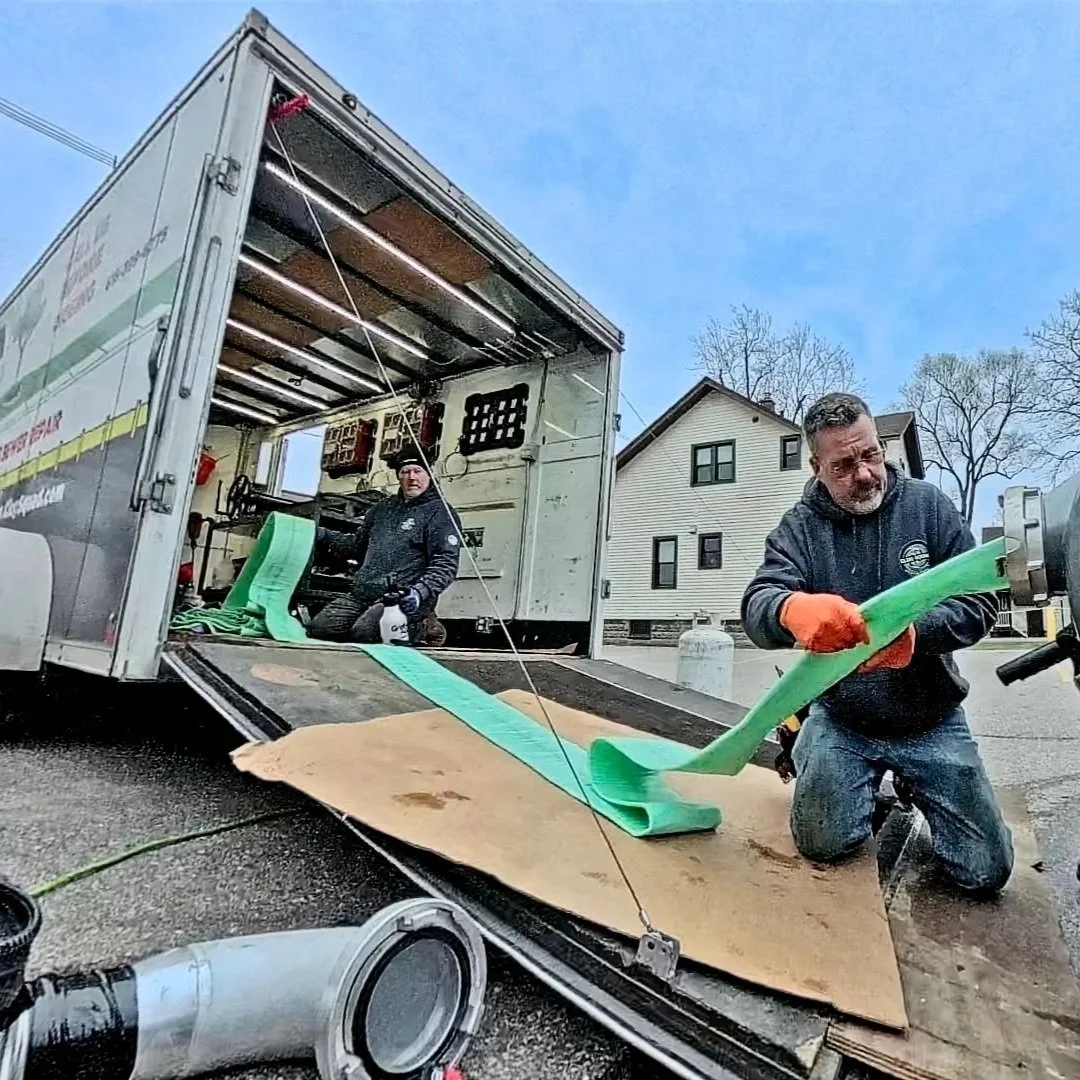
Technicians preparing trenchless pipe lining system after hydro jetting to restore sewer line integrity and long-term drain performance.
Homeowners often encounter stubborn drain blockages, recurring backups, and slow drainage that no plunger or chemical cleaner seems to fix. In these situations, hydro jetting-a high-pressure water-cleaning technique is often recommended by professional plumbers.
While many understand the term, few know what hydro jetting truly entails, why it is so effective, and when it is the best choice for drain cleaning. Understanding the process and its applications helps homeowners make informed decisions about maintaining their plumbing system and preventing costly emergency repairs.
Hydro jetting uses a specialized high-pressure hose to send a concentrated stream of water through pipes, effectively clearing debris, grease, mineral deposits, and other obstructions. Unlike traditional snaking, which may push debris further into the line or remove only part of a clog, hydro jetting scours the entire interior surface of the pipe. The process restores pipe diameter, improves water flow, and helps prevent future blockages. Professional hydro jetting services are precise, safe for most modern plumbing materials, and highly effective for both branch lines and main sewer lines.
How Hydro Jetting Works
During a hydro jetting service, a plumber inserts a hose fitted with a rotating nozzle into the drain line. The nozzle releases pressurized water at velocities capable of removing years of accumulated debris, grease, soap scum, mineral scale, and even tree roots in some cases. Unlike chemical cleaners, which often work only on organic matter, hydro jetting physically scours the pipe walls, leaving them smooth and virtually free of buildup. This comprehensive approach eliminates partial clogs that could otherwise cause recurring backups or strain the appliance.
Hydro jetting can be adjusted to different water pressures depending on the type of pipe, the age of the system, and the severity of the obstruction. Low- to medium-pressure settings are suitable for branch lines and older pipes, while high-pressure streams are reserved for main lines with dense grease, mineral deposits, or other hard-to-remove blockages. A professional plumber can adjust pressure and flow to protect pipe integrity while maximizing cleaning efficiency, making hydro jetting a versatile solution for a wide range of plumbing scenarios.
When Hydro Jetting Makes Sense
Hydro jetting is particularly effective when other methods have failed or recurring problems persist. Homes with frequent kitchen drain backups caused by grease buildup benefit from high-pressure cleaning, as it removes congealed fats that standard snaking cannot fully dislodge. Bathroom drains with persistent slow flow due to hair, soap scum, and mineral deposits also respond well to hydro jetting. Laundry drains clogged with lint or detergent residue are another common scenario where high-pressure water streams restore full function and reduce the risk of future backups.
Main line blockages are another area where hydro jetting excels. When tree roots infiltrate sewer lines, or when years of sediment, grease, and scale have narrowed the pipe, traditional snaking may only partially remove the obstruction. Hydro jetting can cut through roots, flush debris, and restore the pipe’s internal diameter, preventing backups across multiple fixtures simultaneously. In these cases, hydro jetting is not just a cleaning service but a preventive solution that maintains the long-term health of the plumbing system.
Advantages of Hydro Jetting Over Traditional Methods
One of the most substantial advantages of hydro jetting is its ability to remove buildup entirely rather than temporarily displace it. Standard drain snakes or augers may move debris deeper into the pipe, leaving residual material that quickly reforms into a clog. Chemical cleaners can damage pipes over time, fail to remove mineral deposits, and only address organic matter. Hydro jetting physically cleans pipe walls, leaving surfaces smooth and clear, improving water flow and reducing the likelihood of future blockages.
Another advantage is versatility. Hydro jetting works in branch lines, main lines, and even commercial plumbing systems with high usage. It is effective on both metallic and most plastic pipes, though adjustments are made for older or more fragile systems. The process can also be tailored to address specific problems, such as grease removal in kitchens, lint and soap buildup in laundry lines, or sediment and scale in older homes. This adaptability makes hydro jetting a comprehensive solution rather than a temporary fix.
Safety Considerations and Pipe Integrity
Professional hydro jetting requires expertise to protect the plumbing system. While high-pressure water is powerful, improperly applied force can damage old or weakened pipes. Plumbers assess pipe material, age, and condition before applying hydro jetting, adjusting pressure and nozzle design as needed. Modern plumbing materials like PVC, ABS, and copper typically withstand hydro jetting well, but older cast iron or clay pipes may require gentler settings. By combining knowledge, experience, and specialized equipment, plumbers can safely remove buildup while preserving pipe integrity.
In addition to preventing damage, professional hydro jetting services often include pre- and post-inspection using cameras. Before cleaning, a camera inspection identifies the clog location, pipe condition, and potential vulnerabilities. After hydro jetting, a follow-up inspection confirms that debris has been completely removed and that the pipes are in good condition. This documentation provides homeowners with peace of mind and confirms that the cleaning process addresses all underlying issues, not just the visible obstruction.
Situations Where Hydro Jetting May Not Be Necessary
While hydro jetting is highly effective, it is not always required. Minor clogs near the drain, such as hair or small debris trapped in a sink trap, can often be cleared with plungers or hand snakes. Occasional slow drainage due to minor accumulation can be managed with periodic maintenance rather than high-pressure cleaning. In homes with newer plumbing and low water usage, preventive hydro jetting schedules may be extended, focusing resources on higher-risk areas like main lines or high-use drains.
However, even when not immediately necessary, hydro jetting is valuable as a preventative measure. Scheduled cleaning every few years keeps pipes free of buildup, minimizes appliance strain, and reduces the risk of unexpected backups. By investing proactively, homeowners save on emergency repairs, protect their plumbing system, and maintain optimal water flow throughout the property.
Real-World Benefits for Homeowners
Homeowners often notice immediate improvements after hydro jetting. Slow-draining sinks begin to flow freely, laundry tubs empty efficiently, and showers operate without gurgling or pooling. Appliances connected to drains, such as dishwashers and washing machines, perform more reliably as water flows smoothly and consistently. Preventative hydro jetting also minimizes odor issues, which can result from trapped debris or stagnant water in partially blocked pipes. These tangible benefits enhance both comfort and convenience in everyday household activities.
Long-term benefits are equally significant. Hydro jetting removes grease, scale, and sediment that would otherwise accumulate over the years, reducing the likelihood of recurring clogs. For homes with main line issues, such as partial root intrusion or mineral buildup, hydro jetting restores full pipe capacity, preventing backups that could affect multiple fixtures simultaneously. Homeowners who adopt scheduled hydro jetting as part of a maintenance program often experience fewer emergency plumbing calls, lower repair costs, and longer-lasting systems.
How to Determine If Hydro Jetting Is Right for Your Home
Several factors indicate that hydro jetting may be appropriate. Recurrent slow drains across multiple fixtures, persistent clogs that resist plunging or snaking, recurring grease or lint buildup, and older plumbing systems with mineral deposits are strong indicators. Homes experiencing main line blockages, tree root intrusion, or sediment accumulation also benefit significantly. Consulting a professional plumber for an inspection and camera assessment provides a clear understanding of whether hydro jetting is the optimal solution.
Homeowners should also consider water quality and usage patterns. Hard water accelerates mineral buildup, while frequent grease disposal and high laundry usage increase the risk of debris accumulation. Properties in these situations may require more frequent hydro jetting to maintain optimal flow and prevent emergencies. By combining professional assessment with knowledge of household habits, homeowners can make informed decisions that protect their plumbing system over the long term.
FAQs
What Is Hydro Jetting and How Does It Work?
+Hydro jetting is a high-pressure water-cleaning process that scours pipes, removing debris, grease, mineral deposits, and even tree roots, restoring the full pipe diameter.
When Is Hydro Jetting Necessary?
+Hydro jetting is recommended for persistent or recurring clogs, main line blockages, grease buildup, mineral scale, or when multiple drains experience slow flow.
Is Hydro Jetting Safe for All Pipes?
+Professional hydro jetting is safe for most modern plumbing materials, including PVC, ABS, and copper, but older or fragile pipes may require adjusted pressure to prevent damage.
How Does Hydro Jetting Compare to Snaking or Chemical Cleaners?
+Unlike snaking or chemicals, hydro jetting physically cleans pipe walls and removes buildup entirely, reducing the likelihood of recurring blockages and improving overall flow.
Can Hydro Jetting Prevent Future Clogs?
+Yes. Regular hydro jetting as part of a maintenance program keeps drains clear, minimizes debris accumulation, and protects appliances from strain caused by partial blockages.
