
Why Roots Keep Coming Back and How Flex-Shaft Removal Stops the Cycle
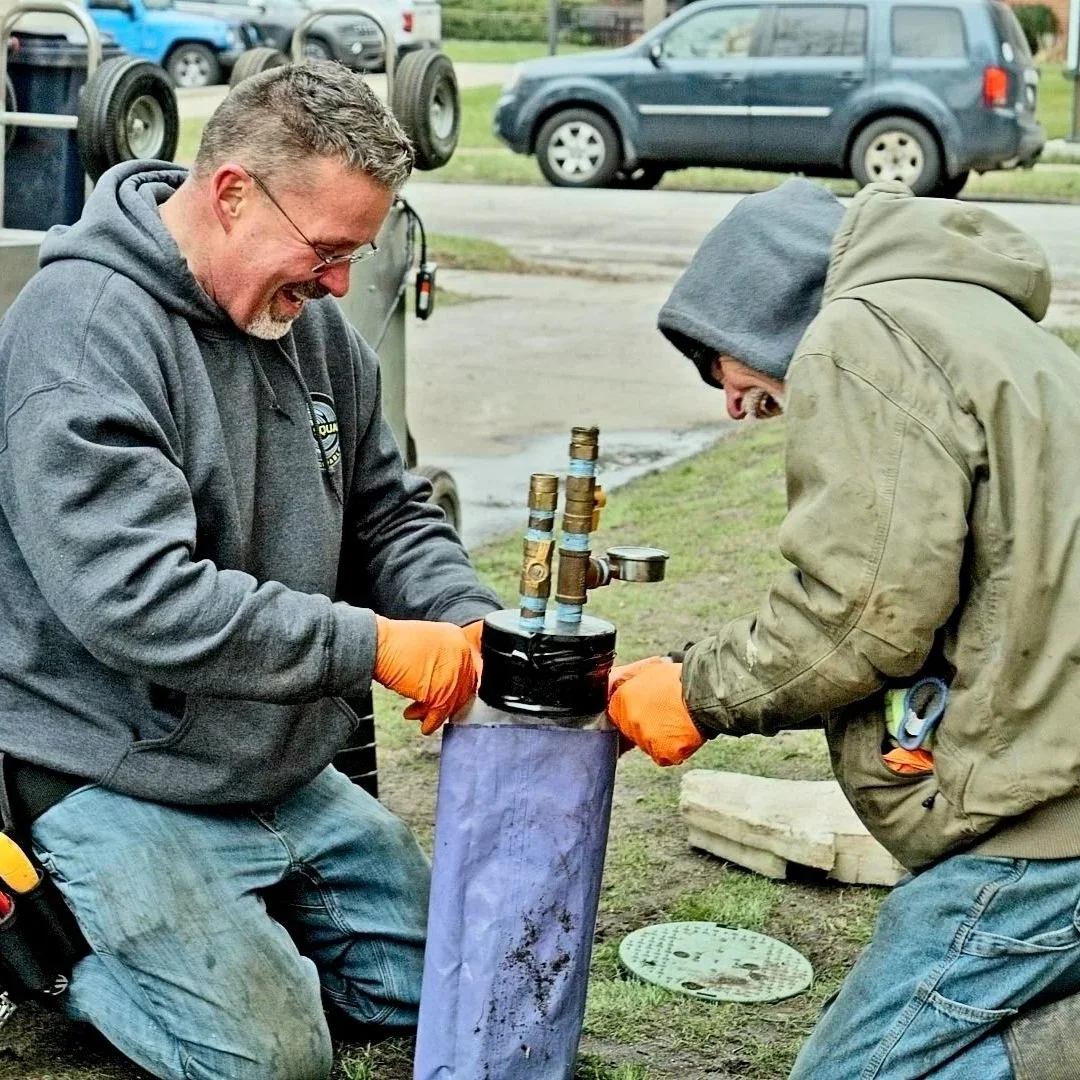
Technicians performing flex-shaft root removal to clear invasive tree roots and restore sewer line flow without damaging aging pipes.
Tree roots create one of the most frustrating drain problems homeowners deal with because the issue rarely feels finished. A backup happens, roots get removed, water flows again, and relief sets in. Then months later, sometimes sooner, the same drain slows, gurgles, or backs up all over again. From the outside, it feels like the roots never really left. From inside the pipe, that assumption is often correct. Root intrusion is not a one-time clog. It is a recurring condition tied to how pipes age, shift, and interact with the surrounding soil.
Understanding why roots keep coming back requires looking beyond the blockage itself. Roots do not randomly invade healthy pipes. They follow moisture, exploit weak points, and respond to conditions that have developed over decades underground. Traditional cleaning methods often treat the symptom without addressing how roots grow and why they return. Flex-shaft root removal changes that equation by focusing on controlled, thorough removal while minimizing damage to the pipe. When done correctly, it disrupts the regrowth cycle rather than resetting it.
Why Tree Roots Are Drawn To Drain Lines In The First Place
Tree roots grow toward moisture, nutrients, and oxygen. Sewer and drain lines provide all three. Even small leaks or condensation along pipe joints release enough moisture to attract root systems underground. Roots do not crush pipes through brute force. They locate microscopic gaps, seams, or cracks and slowly grow into them. Over time, those fine root hairs thicken and branch, expanding inside the pipe.
Older sewer systems prove especially vulnerable. Clay pipes rely on joints that shift as soil settles. Cast iron corrodes internally and externally, creating weak points that invite intrusion. Even modern PVC systems develop joint separation when soil movement occurs. Once roots gain access, they thrive in the nutrient-rich environment created by wastewater. Removing roots without understanding this attraction leads to repeated regrowth and repeated service calls.
Why Root Removal Alone Does Not Solve The Problem
Cutting roots restores flow, but it rarely addresses the conditions that allowed them to grow in the pipe. Traditional root-cutting methods slice through root masses, creating a channel through the obstruction. Larger roots get severed, but fine root fibers remain attached to pipe walls and joints. These fibers regenerate quickly, sometimes faster than before, because the plant responds aggressively to pruning.
In many cases, cutting roots roughens the interior of the pipe or enlarges entry points. Aggressive blades repeatedly strike joints and cracks, widening gaps that invite even more growth. Homeowners experience short-term relief followed by faster recurrence. The cycle continues because the cleaning method disrupts roots but stresses the pipe, making it easier for roots to return. Breaking this cycle requires a method that removes roots without worsening pipe vulnerabilities.
How Root Regrowth Accelerates After Partial Removal
Roots behave much like branches on a tree. When trimmed incompletely, they respond by growing back thicker and more aggressively. Inside a pipe, partial removal leaves behind root anchors attached to joints or cracks. These anchors act as starting points for rapid regrowth. Wastewater nutrients fuel expansion, and the cycle tightens.
Partial removal also creates turbulence inside the pipe. Rough surfaces catch debris, grease, and paper, forming new blockages faster than before. The pipe becomes both a root pathway and a debris trap. Over time, clogs worsen, and intervals between backups shorten. Understanding regrowth behavior explains why repeated cutting without thorough removal fails to deliver lasting results.
Why Pipe Condition Matters More Than Root Size
Homeowners often focus on how large the roots are rather than where and why they entered. A small root growing through a compromised joint causes more long-term trouble than a large root mass temporarily blocking flow. Pipe condition determines how easily roots return after cleaning.
Cracked clay joints, corroded cast iron seams, and misaligned PVC connections provide ongoing access points. Removing roots without addressing the pipe condition leaves the door open. While cleaning methods cannot repair structural defects, some approaches worsen them, while others minimize their impact. Flex-shaft removal stands out because it targets roots without aggressively striking pipe walls.
What Makes Flex-Shaft Root Removal Different
Flex-shaft root removal uses a rotating cable enclosed in a flexible sheath, paired with controlled cutting heads that prevent uncontrolled whipping. Unlike traditional root cutters that spin freely and slam into pipe walls, flex-shaft tools stay centered and stable. The cutting head contacts roots directly rather than grinding against the pipe.
This control allows thorough removal of both thick root masses and fine root fibers clinging to joints. Instead of carving a narrow channel, flex-shaft removal cleans around the full interior circumference of the pipe where roots attach. Professional drain cleaning services favor this method when pipe preservation matters as much as clearing the obstruction.
How Flex-Shaft Tools Disrupt The Regrowth Cycle
Breaking the regrowth cycle requires removing roots at their attachment points without enlarging entry areas. Flex-shaft tools scrape roots away from joints and seams more cleanly than traditional blades. By reducing leftover fibers, the method significantly slows regrowth.
Because the cable stays within a sheath, the tool does not chatter or bounce inside the pipe. This reduces impact damage that widens cracks. Over time, smoother interior surfaces resist both root anchoring and debris accumulation. While no cleaning method permanently blocks roots from a damaged pipe, flex-shaft removal reduces the rate at which they return.
Why Precision Matters In Root Removal
Root intrusion rarely affects the entire pipe evenly. Growth concentrates at specific joints or cracks. Precision allows technicians to focus cleaning effort where roots attach rather than aggressively attacking the entire line. Flex-shaft systems provide that precision through controlled rotation and targeted head selection.
Professional drain cleaning services adjust speed, pressure, and head type based on resistance felt during cleaning. This tactile feedback helps avoid overcutting. Precision cleaning removes what needs to go without creating new vulnerabilities. That balance proves critical in aging sewer systems, where material integrity is already showing signs of wear.
The Role Of Camera Inspection In Stopping Repeat Root Problems
Camera inspection changes root removal from guesswork to informed action. Visual access identifies entry points, root density, and pipe condition. After flex-shaft removal, inspection confirms how thoroughly roots were cleared and whether structural issues remain.
Seeing the pipe interior after cleaning helps homeowners understand why roots formed and what to expect in the long term. Inspection also reveals whether pipe lining or replacement should be considered to permanently stop intrusion. Without inspection, repeated cleaning continues blindly, often addressing symptoms without understanding causes.
Why Flex-Shaft Removal Works Well In Older Sewer Lines
Older sewer lines require careful handling. Clay pipes fracture easily under aggressive cutting. Cast iron pipes corrode internally, making them vulnerable to impact. Flex-shaft root removal suits these systems because it minimizes pipe contact while still removing growth.
In clay lines, controlled scraping avoids striking joints violently. In cast iron, flex-shaft tools remove roots and rust flakes without deepening corrosion pits. Professional drain-cleaning services often use flex-shaft methods specifically for older homes, where preserving remaining pipe integrity matters more than speed.
How Root Removal Affects Drain Performance Over Time
Removing roots improves flow immediately, but long-term performance depends on how clean the pipe remains afterward. Root fibers left behind quickly catch debris, accelerating buildup. Flex-shaft removal reduces leftover material, improving flow velocity and reducing debris retention.
Improved flow also reduces standing water inside the pipe, which roots prefer. While moisture remains present, faster movement discourages lingering conditions that promote growth. Over time, drains that are cleaned thoroughly experience fewer backups and slower recurrence.
Why Chemical Root Treatments Often Disappoint
Chemical root treatments promise convenience, but results vary widely. Many products kill roots without removing them. Dead roots remain inside the pipe, acting as debris traps. Over time, new roots grow through the same entry points, sometimes faster due to decaying organic material.
Some chemicals damage pipe materials, especially older metal systems. Professional drain cleaning services often encounter pipes weakened by repeated chemical use. Flex-shaft removal physically extracts roots, addressing both obstruction and buildup rather than leaving material behind to cause future problems.
When Root Removal Is Not Enough On Its Own
Some pipes suffer damage severe enough that cleaning alone cannot stop root intrusion. Large cracks, collapsed sections, or severe misalignment require repair or lining. Flex-shaft removal helps clear roots thoroughly, revealing the true condition of the pipe.
Once debris and roots are removed, an inspection determines whether structural solutions are needed. Cleaning without follow-up evaluation risks false confidence. Professional drain cleaning services treat flex-shaft removal as both a corrective action and a diagnostic step when root problems persist.
How Maintenance Scheduling Reduces Root Recurrence
Regular monitoring and maintenance significantly slow root regrowth. Instead of waiting for full blockages, periodic inspection and targeted flex-shaft cleaning address early intrusion before roots mature. This approach reduces emergencies and property damage.
Maintenance schedules vary based on pipe condition, proximity to trees, and soil movement. Professional drain cleaning services tailor plans to individual properties rather than applying generic timelines. Consistent care disrupts root growth patterns and protects pipe integrity over time.
Why Experience Matters In Root Removal Success
Root removal requires judgment. Cutting too aggressively damages pipes. Cutting too lightly leaves anchors behind. Flex-shaft tools provide control, but results depend on operator skill. Recognizing resistance patterns, adjusting technique, and knowing when to stop separates effective cleaning from repeated failure.
Experienced technicians understand how different roots behave, how pipe materials respond, and how much removal is enough without overdoing it. That experience directly affects how long results last. Flex-shaft technology rewards precision, making professional application essential.
FAQs
Why do roots grow back so quickly after being removed?
+Roots regrow quickly when fine fibers remain attached to joints or cracks. Partial removal stimulates aggressive regrowth rather than stopping it.
Does flex-shaft root removal prevent roots permanently?
+Flex-shaft removal does not permanently block roots from entering damaged pipes, but it removes them more thoroughly and significantly slows regrowth.
Is flex-shaft root removal safe for clay sewer pipes?
+Flex-shaft tools work well in clay pipes because they remove roots without striking joints aggressively, reducing the risk of breakage.
How often should root removal be done?
+Frequency depends on pipe condition and proximity to trees. Some systems need periodic maintenance, while others remain clear for years after thorough removal.
Can flex-shaft removal replace pipe lining or replacement?
+Flex-shaft removal clears roots but does not repair structural damage. Lining or replacement may still be needed when pipes show severe defects.
