
Common Household Drain Problems That Signal It Is Time for Professional Cleaning
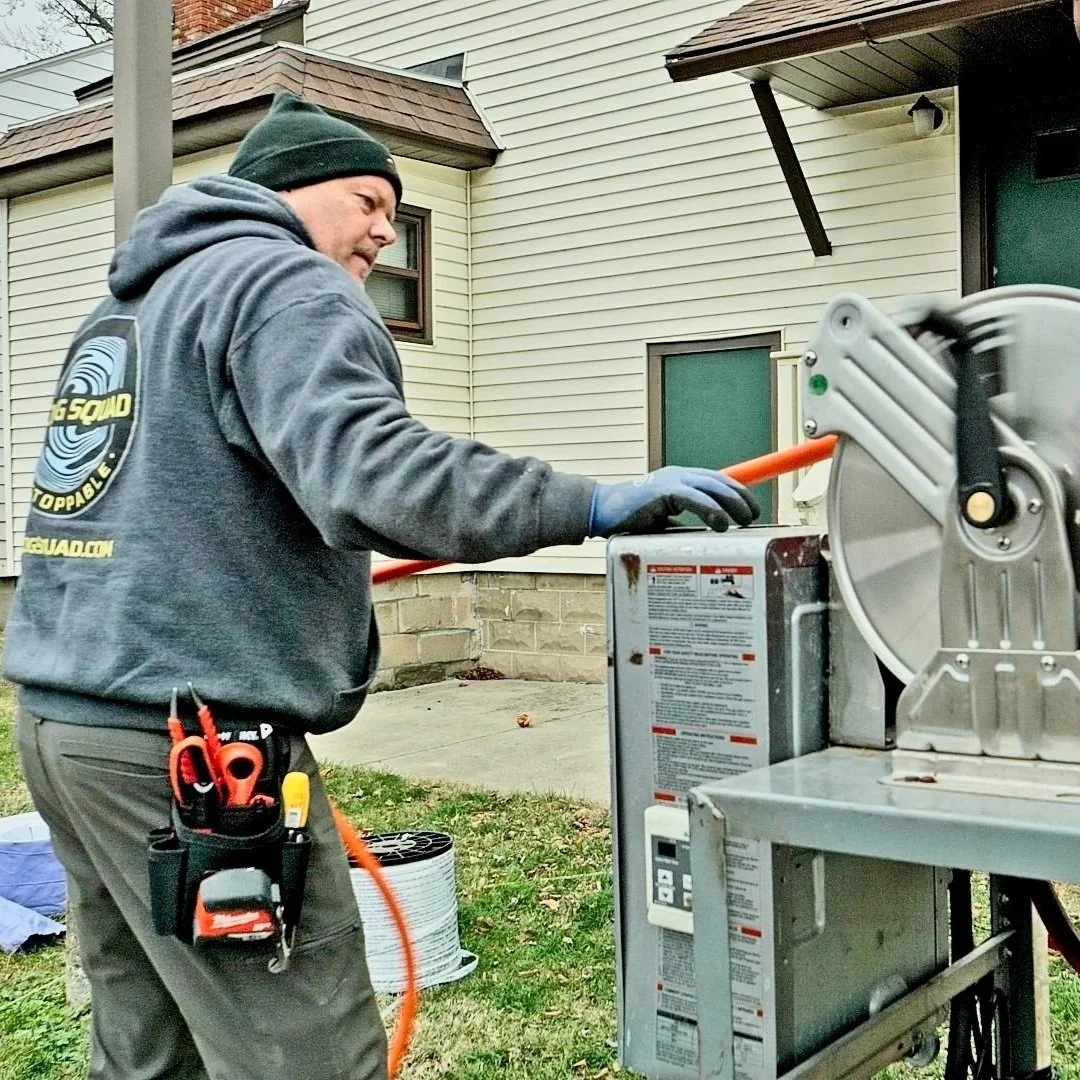
Technician performing professional drain cleaning to address recurring household plumbing issues before major sewer backups occur.
Drain issues rarely appear suddenly. Most develop gradually, giving subtle warning signs long before a full blockage or backup occurs. Homeowners often treat these early signals with DIY methods, like plungers or store-bought chemical cleaners, assuming the problem is minor. While these quick fixes may provide temporary relief, they rarely address the root cause of the clog. By the time water starts pooling or odors become noticeable, the underlying problem may have already advanced, requiring professional intervention. Recognizing the signs of deeper issues can prevent serious damage, costly repairs, and repeated disruption to your home's plumbing system.
Professional drain cleaning becomes essential when minor symptoms persist or recur. While a single slow drain might not indicate an immediate emergency, recurring issues across multiple fixtures—sinks, showers, toilets—suggest buildup or structural problems beyond the reach of basic tools. Acting early can prevent minor inconveniences from becoming major emergencies. Understanding these common household warning signs equips homeowners to protect both their pipes and their property.
Slow Drains That Keep Returning
A slow-draining sink, shower, or bathtub is a common annoyance, but when the slowdown becomes persistent, it signals more than just temporary debris. Hair, soap residue, grease, and food particles adhere to pipe walls over time, gradually reducing flow. Temporary measures like plunging or chemical cleaners often remove only the loose blockage, leaving the underlying buildup intact.
Professional drain cleaning addresses the full interior of the pipe, removing buildup along the walls rather than carving a narrow channel. Without thorough cleaning, the narrowing continues, and blockages become inevitable. Repeated slow drains indicate the pipe needs more than surface-level attention to restore proper flow and prevent future clogs.
Multiple Drains Slowing Simultaneously
When two or more drains in your home slow down at the same time, the problem usually originates in a shared main line or branch line. A single drain can clog due to localized debris, but multiple slow drains almost always point to a deeper obstruction affecting several connections. These issues are often beyond the reach of standard DIY tools, especially if the clog is located further down the system.
Professional drain cleaning can safely and effectively address mainline or shared line problems. Ignoring simultaneous slow drains increases the likelihood that backups will affect lower fixtures, such as basement sinks or floor drains, which can quickly escalate into water damage or contamination concerns.
Gurgling Sounds and Bubbles
Bubbling or gurgling sounds in sinks, tubs, or toilets are more than just odd noises—they indicate trapped air in the drain system. When water struggles to move past an obstruction, it pulls air through the pipes, creating audible gurgles. These noises are often accompanied by slow drainage and indicate that air and wastewater flow are compromised.
Professional drain cleaning removes obstructions that disrupt proper airflow, restoring normal venting and drainage behavior. Ignoring gurgling sounds allows pressure imbalances to worsen over time, potentially causing more severe clogs or pipe damage.
Frequent Toilet Clogs With No Apparent Cause
Toilets that clog repeatedly despite normal use point to blockages or buildup in the drain line beyond the fixture. Temporary plunging may clear the obstruction momentarily, but without professional cleaning, the issue typically returns. Blockages in the line may be caused by accumulated toilet paper, grease, or other debris that has compacted over time.
Professional drain cleaning targets the problem deeper in the line, removing buildup that causes repeated clogs. Ignoring recurring toilet blockages can push debris further down, increasing the risk of major sewer backups and more costly repairs.
Water Backing Up Into Other Fixtures
If water backs up into sinks, tubs, or floor drains when another fixture is used, it indicates a serious restriction somewhere in the system. Water seeks the lowest point, so backups often appear in fixtures far from the source. This behavior commonly indicates main line or shared line obstructions that require professional attention.
Professional drain cleaning removes these obstructions at the source, preventing wastewater from spilling into living areas. Addressing backups promptly prevents contamination, property damage, and costly emergency repairs.
Persistent Foul Odors
Unpleasant odors emanating from drains are usually caused by organic buildup, grease, or biofilm coating the interior of pipes. Temporary solutions like chemical cleaners or deodorizing agents mask smells rather than removing the source. If odors return repeatedly, it suggests residue is still present in the line, creating ongoing bacterial activity and unsanitary conditions.
Professional drain cleaning removes buildup, reduces odors, inhibits bacterial growth, and restores proper sanitation. Persistent smells are a warning that the system requires more thorough maintenance than surface-level cleaning can provide.
Standing Water In Sinks or Showers
Water that pools in sinks, tubs, or showers and won't drain properly indicates a significant blockage or buildup. Hair, soap, grease, and other debris often combine to form dense obstructions that resist plungers or simple chemical treatments. Standing water is not just inconvenient; it also increases the risk of overflow, water damage, and microbial growth.
Professional drain cleaning safely and completely removes these materials, restoring normal drainage and preventing recurring issues. Delaying service allows blockages to grow, making future cleaning more difficult and expensive.
Drain Issues After Heavy Rainfall
Heavy rain can exacerbate underlying drain problems, particularly when tree roots, sediment, or debris partially obstruct main lines. Slow or backed-up drains following storms often indicate compromised pipes struggling to handle increased flow. These situations reveal vulnerabilities in the system that may not be obvious under normal conditions.
Professional cleaning before or after heavy rainfall identifies and removes blockages, reducing the risk of emergency backups. Addressing issues proactively ensures that drainage systems remain functional during extreme weather and prevents water overflow damage.
Recurring Problems Despite DIY Efforts
When the same drain issue returns despite repeated attempts to fix it, professional intervention becomes necessary. Temporary measures often fail because they do not address the underlying buildup, root intrusion, or structural issues. Homeowners who repeatedly plunge or use chemical cleaners may unintentionally compact debris, worsening the problem over time.
Professional drain cleaning offers a deeper, comprehensive solution. Full-line cleaning removes buildup along the pipe walls, breaks down obstructions, and restores proper flow. This approach prevents repeated frustrations and protects the plumbing system for years.
Why Acting Early Matters
Early intervention prevents small issues from escalating into major plumbing emergencies. Minor restrictions can evolve into severe blockages, causing water damage, sewage backups, and costly repairs. Recognizing warning signs and calling a professional before problems worsen saves both money and stress.
Professional drain cleaning restores system performance while protecting pipe integrity. Homeowners who act promptly avoid the repeated cycles of temporary fixes and emergency repairs that can quickly become costly and disruptive.
When Household Symptoms Should Not Be Ignored
Any recurring drainage issues deserve attention. Drains are designed to move water efficiently and quietly. When they stop doing so consistently, something deeper is wrong.
Professional drain cleaning resolves these issues at their source rather than masking symptoms. Acting at the right time saves money, protects the home, and restores confidence in the plumbing system.
FAQs
When Should I Call a Professional for Drain Cleaning?
+Professional drain cleaning is recommended when drains are slow repeatedly, multiple fixtures are affected, gurgling noises occur, water backs up, or foul odors persist. Recurring problems despite DIY efforts also signal it is time to call a professional.
Can DIY Methods Permanently Fix Slow Drains?
+DIY methods like plunging or chemical cleaners may temporarily restore flow but rarely remove buildup along the entire pipe. Professional cleaning targets the full pipe interior, preventing recurrence.
How Do Professionals Detect Hidden Drain Problems?
+Technicians use methods like camera inspection and pressure testing to locate obstructions, buildup, root intrusion, or structural issues. These tools allow them to treat the root cause rather than just the symptom.
What Types of Buildup Cause Recurrent Clogs?
+Common buildup includes grease, soap residue, hair, food particles, paper, and mineral deposits. Organic materials and biofilm can cause odors and accelerate future blockages if not removed completely.
Will Professional Cleaning Prevent Future Problems?
+Thorough professional cleaning significantly reduces the recurrence of blockages by restoring full pipe capacity and removing buildup. While normal wear and environmental factors can still create issues over time, early and comprehensive cleaning extends the life and reliability of the plumbing system.
