
Why Camera-Assisted Drain Cleaning Changes How Clogs Are Diagnosed and Fixed
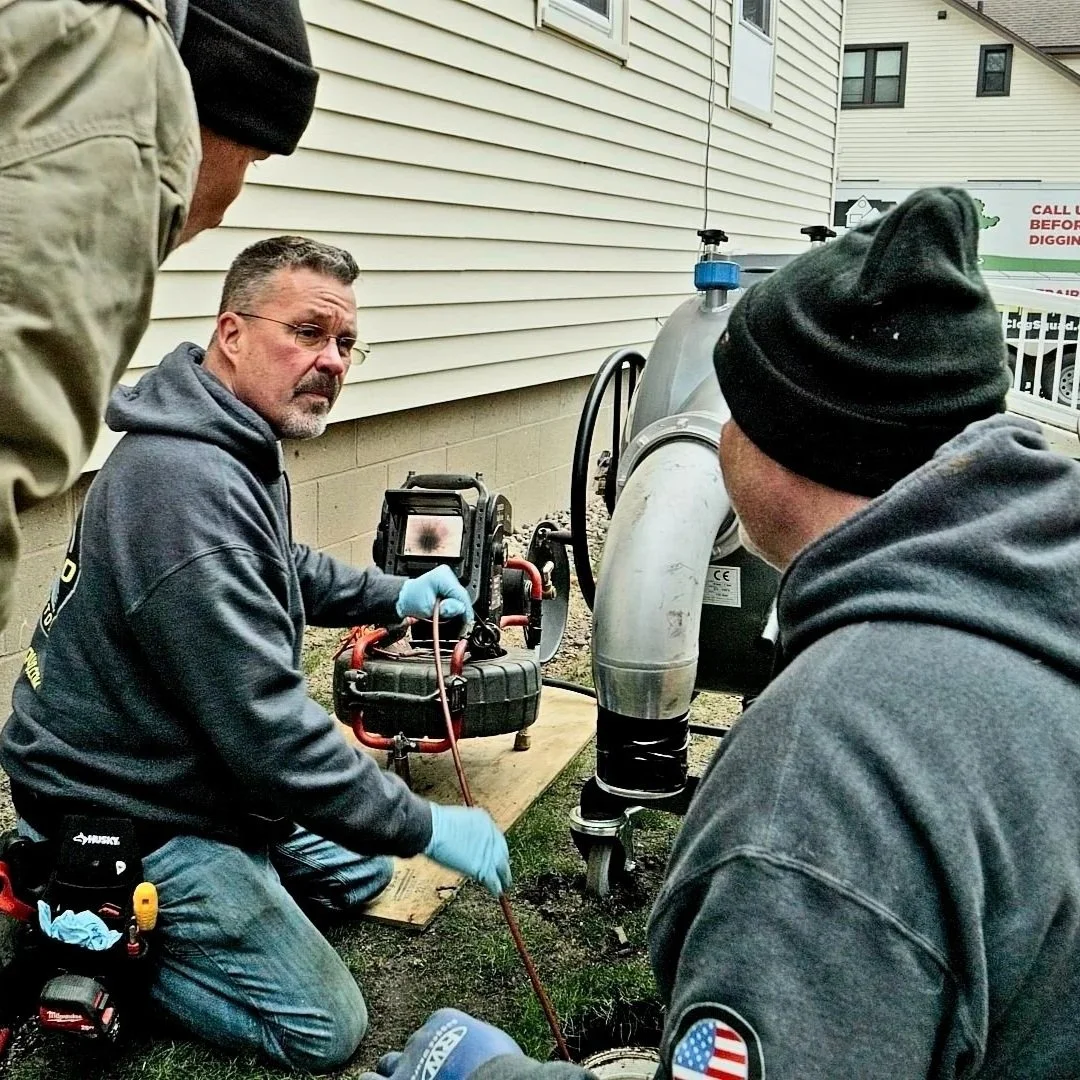
Technicians performing camera-assisted drain cleaning to diagnose underground pipe issues and guide precise, long-lasting sewer line solutions.
Drain problems were diagnosed the same way for decades. A drain slowed down, a technician ran a cable, water started moving again, and everyone hoped the problem was gone for good. Sometimes it was. Many times it was not. The biggest issue was not the cleaning itself, but the lack of visibility into it. Without being able to see inside the pipe, decisions relied on assumptions, experience, and educated guesses. Camera-assisted drain cleaning changed that dynamic entirely by turning invisible problems into visible ones.
When a camera enters a drain line, the conversation shifts from guessing to knowing. Pipe condition, buildup type, obstruction location, and structural defects become immediately clear. Instead of treating every clog as the same problem, camera-assisted drain cleaning allows each situation to be addressed based on what is actually happening underground or behind walls. That shift improves accuracy, protects pipes, and extends the duration of results. Diagnosis becomes part of the solution rather than a separate step left to chance.
Why Guesswork Fails In Modern Drain Systems
Drain systems grow more complex as homes age and expand. Remodels introduce new branch lines. Material transitions occur between cast iron, clay, and PVC. Soil movement alters the slope over time. Guessing based on surface symptoms ignores these variables. A slow sink might come from grease buildup nearby or a belly in the line several feet away. A recurring backup might trace back to roots, corrosion, or improper slope rather than a simple clog.
Without visual confirmation, cleaning methods risk missing the real issue. Snaking a drain may restore flow while leaving structural problems untouched. Aggressive cleaning may damage pipes already compromised by corrosion or age. Camera-assisted drain cleaning eliminates that uncertainty. Seeing the problem guides the solution from the start, reducing unnecessary force and repeat service calls.
How Camera Technology Works Inside Drain Lines
Drain cameras consist of a flexible cable with a high-resolution camera mounted at the tip. The camera feeds live video to a monitor, allowing real-time observation of pipe interiors. Modern systems provide lighting, distance tracking, and clear imagery even in dark, wet environments. As the camera moves through the line, technicians observe buildup, joints, cracks, roots, and standing water.
This visibility transforms diagnosis. Instead of relying on sound, resistance, or water behavior alone, camera-assisted drain cleaning shows exactly where restrictions exist and what causes them. The camera does not just locate clogs. It reveals pipe condition and system design issues that influence how cleaning should proceed. That clarity shapes every decision that follows.
Why Identifying The Type Of Clog Matters
Not all clogs behave the same way. Grease coats pipe walls gradually. Roots grow inward from specific entry points. Scale hardens along the interior surface. Debris collects where the slope slows the flow. Each condition responds best to a different cleaning approach. Treating all clogs the same leads to incomplete removal or pipe damage.
Camera-assisted drain cleaning allows technicians to identify the composition of clogs before acting. Seeing grease buildup suggests full-surface cleaning rather than channel clearing. Root intrusion indicates cutting or flex-shaft removal, with attention to pipe condition. Mineral scale indicates mechanical scraping rather than pressure alone. Matching method to material improves results and reduces risk.
How Cameras Prevent Overcleaning And Pipe Damage
Overcleaning damages pipes just as much as undercleaning leaves problems behind. Applying high pressure to fragile pipes accelerates failure. Aggressive cutting enlarges cracks and joints. Without knowing the condition of the pipe, technicians risk solving one problem while creating another.
Camera-assisted drain cleaning prevents that outcome. Visual inspection reveals corrosion, thinning walls, and joint separation. Technicians adjust technique accordingly, choosing gentler methods where needed. Protecting pipe integrity becomes part of the cleaning process rather than an afterthought. Over time, this approach preserves plumbing systems instead of shortening their lifespan.
The Difference Between Surface Symptoms And Root Causes
Drain symptoms often appear far from their source. A toilet may bubble because a mainline restriction reduces pressure elsewhere. A basement floor drain may back up due to a belly in the yard line. Surface behavior alone rarely points accurately to the root cause.
Camera-assisted drain cleaning bridges that gap. Seeing inside the line connects symptoms to their source. Understanding cause and effect allows targeted solutions rather than blanket cleaning. This precision reduces unnecessary disruption and improves long-term performance.
How Cameras Change The Scope Of Cleaning
Traditional drain cleaning often starts aggressively and hopes for success. Camera-assisted drain cleaning defines the scope before work begins. Knowing where buildup exists limits cleaning to affected areas rather than the entire system. This efficiency saves time while reducing wear on unaffected sections.
Cameras also confirm when cleaning reaches full effectiveness. Instead of assuming success based on water flow, technicians verify results visually. Seeing clean pipe walls and unobstructed joints confirms thorough work. That verification builds confidence and accountability.
Why Recurring Clogs Benefit Most From Camera Diagnosis
Recurring clogs signal unresolved conditions. Each recurrence shortens intervals between failures and increases frustration. Without visual diagnosis, repeated cleaning resets the clock without fixing the cause. Camera-assisted drain cleaning breaks that cycle by identifying what keeps going wrong.
Common findings include bellies that retain standing water, roots reentering through damaged joints, and grease layers that are never fully removed. Once identified, these issues guide deeper solutions or maintenance strategies. Cameras turn chronic problems into manageable ones by revealing why they persist.
The Role Of Camera Inspection In Older Homes
Older homes present unpredictable plumbing conditions. Materials degrade unevenly. Previous repairs alter the system layout. Soil movement shifts alignment. Camera-assisted drain cleaning becomes essential in these environments because assumptions fail more often than they succeed.
Seeing inside older pipes reveals corrosion patterns, joint integrity, and areas at risk. Cleaning methods adjust accordingly. Instead of applying one-size-fits-all solutions, technicians tailor approaches to actual conditions. This adaptability extends pipe life and reduces unexpected failures.
How Cameras Improve Root Intrusion Management
Root intrusion often goes misdiagnosed without cameras. Cutting roots blindly clears the flow but leaves the entry points unidentified. Roots return faster because the underlying issue remains hidden. Camera-assisted drain cleaning exposes where roots enter and how extensively they spread.
Seeing attachment points allows for more thorough removal and informed discussions about long-term options. Cameras also verify post-cleaning results, confirming the extent to which roots were removed. This clarity reduces guesswork and improves planning.
Why Bellies And Slope Issues Require Visual Confirmation
A pipe belly creates standing water that continuously collects debris. Cleaning temporarily removes debris, but water remains. Without seeing the belly, homeowners expect cleaning to permanently solve the problem. Camera-assisted drain cleaning identifies bellies clearly.
Understanding slope issues shifts expectations and decision-making. Cleaning temporarily improves performance, but structural correction may be needed for lasting relief. Cameras prevent false confidence and repeated disappointment by showing limitations honestly.
How Cameras Guide Flex-Shaft And Precision Cleaning
Flex-shaft and other precision cleaning methods perform best when guided visually. Knowing where the buildup concentrates allows targeted cleaning rather than unnecessary abrasion. Camera-assisted drain cleaning pairs well with these tools by directing effort precisely.
Visual feedback during cleaning confirms progress and prevents overworking sensitive areas. Technicians adjust technique based on what they see rather than what they feel. This synergy improves outcomes and protects pipes.
The Impact On Odor And Sanitation Issues
Persistent drain odors often result from biofilm or organic residue left behind after partial cleaning. Camera-assisted drain cleaning identifies residue patterns and confirms removal. Seeing clean pipe walls verifies that odor sources were addressed rather than masked.
Sanitation improves when organic buildup disappears. Reduced bacterial growth leads to fewer odors and better indoor air quality. Cameras help visually confirm sanitation improvements rather than relying solely on smell.
Why Camera Use Improves Transparency And Trust
Homeowners rarely see inside their plumbing systems. Camera-assisted drain cleaning brings transparency to a traditionally opaque process. Seeing the problem builds understanding and trust. Decisions feel informed rather than sales-driven.
Visual evidence also clarifies recommendations. When homeowners see cracks, roots, or bellies firsthand, long-term planning becomes easier. Cameras replace abstract explanations with concrete understanding.
How Camera-Assisted Cleaning Reduces Long-Term Costs
Accurate diagnosis reduces wasted effort. Cleaning only what needs cleaning saves wear and labor. Identifying structural issues early prevents emergency repairs later. Camera-assisted drain cleaning shifts costs from repeated short-term fixes to informed long-term solutions.
Over time, fewer emergencies, less damage, and better maintenance planning reduce overall ownership costs. Cameras support proactive decision-making rather than reactive spending.
When Camera-Assisted Cleaning Reveals Bigger Problems
Sometimes cameras reveal issues that cleaning cannot solve. Collapsed pipes, severe corrosion, or major misalignment require repair or replacement. While unwelcome, this clarity prevents false hope and repeated failure.
Cleaning prepares pipes for repair by removing debris and revealing the true condition. Camera-assisted drain cleaning serves as both a solution and a diagnostic tool, guiding next steps honestly.
Why Experience Still Matters With Camera Technology
Cameras show what is happening, but interpretation requires experience. Recognizing patterns, understanding severity, and knowing how findings affect performance matter as much as seeing them. Experienced technicians translate visuals into practical decisions.
Camera-assisted drain cleaning works best when paired with expertise. Technology informs judgment rather than replacing it. That combination delivers the most reliable outcomes.
How Camera Use Changes Maintenance Strategies
Maintenance shifts from guesswork to evidence-based planning with cameras. Instead of fixed schedules, service aligns with actual conditions. Monitoring known trouble spots prevents emergencies.
Camera-assisted drain cleaning supports smarter maintenance by showing when cleaning is needed and when it is not. This efficiency protects pipes and budgets alike.
FAQs
What makes camera-assisted drain cleaning more accurate?
+Seeing inside the pipe removes guesswork, allowing cleaning methods to match actual conditions rather than assumptions.
Is camera inspection necessary for every drain issue?
+While not required for every minor clog, cameras prove especially valuable for recurring issues, older systems, and unclear symptoms.
Can camera-assisted cleaning prevent future clogs?
+Accurate diagnosis and thorough cleaning reduce recurrence by addressing underlying causes rather than focusing solely on symptoms.
Does camera use increase the service time?
+Camera inspection often saves time overall by guiding efficient cleaning and preventing repeat visits.
Are camera inspections useful after cleaning?
+Post-cleaning inspection confirms results, verifies removal, and reveals any structural issues hidden by debris before cleaning.
