
Why Commercial Drain Cleaning Requires a Different Approach Than Residential Work
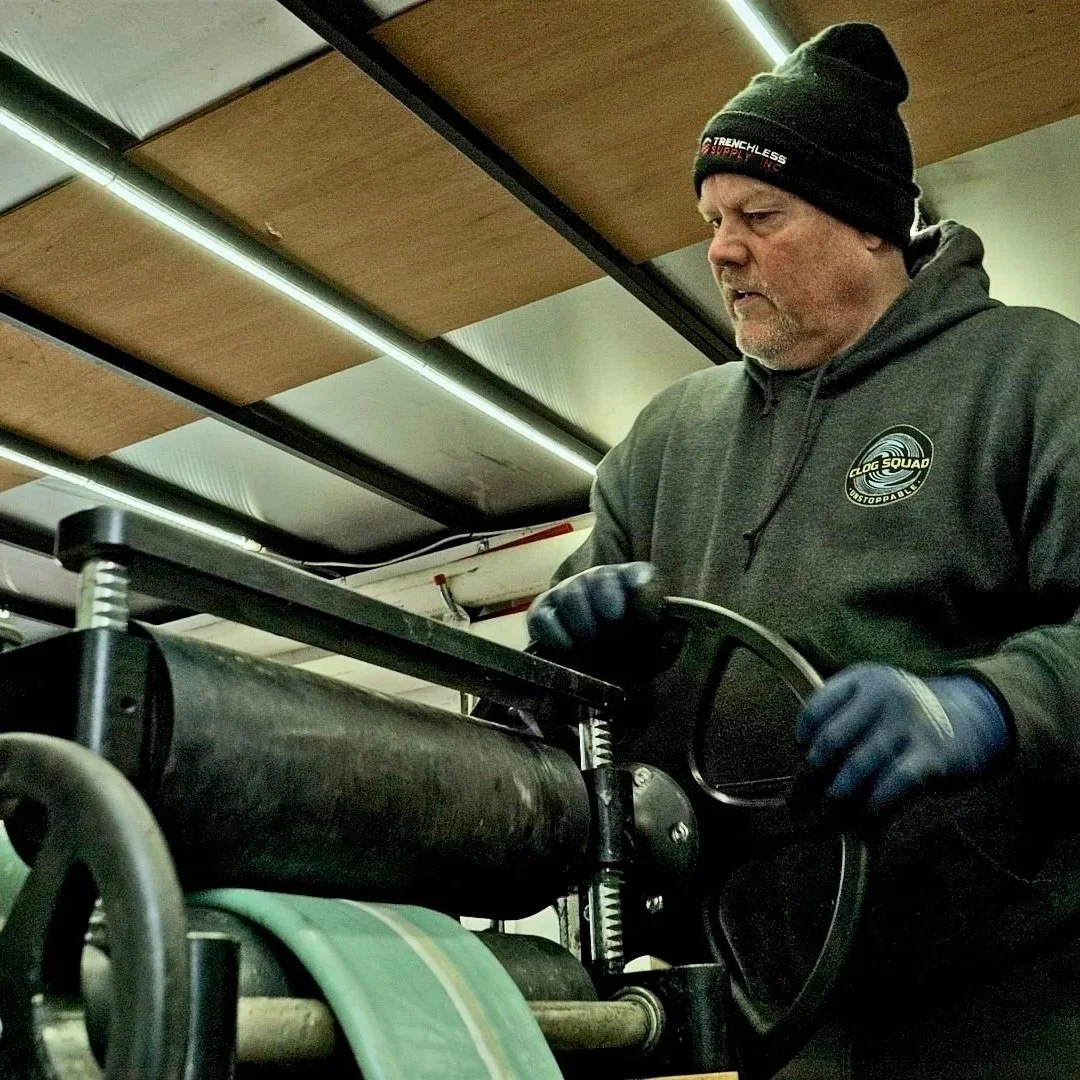
Technician operating industrial drain cleaning equipment to maintain high-capacity commercial plumbing system under continuous heavy wastewater demand.
Commercial drain systems pose unique challenges that most homeowners never encounter. Unlike residential plumbing, which typically serves a small number of fixtures, commercial systems handle significantly higher volumes of water, waste, and debris. Restaurants, office buildings, schools, and multi-unit apartment complexes all rely on drains that operate continuously and under heavy load. Because of this increased demand, a small clog that might be manageable in a home can escalate into a full-blown system failure in a commercial setting. Understanding these differences is critical for anyone responsible for maintaining commercial plumbing infrastructure.
Commercial drain cleaning requires a proactive mindset rather than a reactive one. Residential drains often allow homeowners to wait until a problem becomes obvious—like a slow sink or gurgling toilet—but in commercial spaces, even minor obstructions can disrupt operations, create health hazards, and incur high costs. Professional services in commercial environments must account for peak usage times, occupancy patterns, and business-specific waste streams, tailoring cleaning methods to match the system’s capacity and vulnerability. Unlike typical home services, commercial drain cleaning is a combination of maintenance, rapid response, and long-term system management.
The Scale and Complexity of Commercial Systems
Commercial plumbing systems are larger and more complex than residential systems. Main lines are wider, branch lines are more extensive, and multiple floors or units often connect to a single drainage network. Fixtures may include industrial sinks, floor drains, grease traps, and specialized equipment, all of which create unique flow and clog patterns. A blockage in one area can impact multiple tenants or operations simultaneously, making accurate diagnosis and rapid resolution critical.
Because of this scale, standard residential methods like handheld snakes or simple chemical cleaners rarely suffice. Professional commercial drain cleaning involves specialized equipment, including high-capacity augers, jetting machines, and camera inspection systems that can navigate larger, longer, and more intricate pipelines. Technicians must understand the layout, peak usage patterns, and potential problem areas before attempting any cleaning to avoid unintended disruptions. Planning, logistics, and system knowledge are as important as the tools themselves in commercial work.
High Volume and Continuous Usage
Commercial drains handle far more waste than residential drains, and usage rarely pauses. Restaurants, for example, produce grease-laden wastewater constantly during operating hours. Office buildings see high volume from multiple restrooms throughout the day. Schools manage drains that must accommodate hundreds of students flushing, washing, and spilling water across numerous facilities.
This high volume means clogs can form faster and more severely. Debris can accumulate quickly in main lines, especially when grease, food particles, or sediment are present. Commercial drain cleaning services must account for these conditions, often scheduling work during off-hours or using rapid-response techniques to minimize disruption. Unlike residential work, which can be done in the evening or on weekends without major consequences, commercial drain maintenance requires careful coordination with building management and staff.
Grease, Sediment, and Specialty Waste Streams
Commercial facilities often handle unique wastewater that can cause stubborn obstructions. Restaurants accumulate grease and food particles that solidify in pipes. Laundromats introduce lint, detergents, and fabric fibers. Industrial settings may have chemical waste, oil, or sediment that requires specialized handling. Residential systems rarely encounter this combination, making commercial cleaning more complicated.
Professional commercial drain cleaning involves identifying these waste streams and selecting methods that can safely and effectively remove them without damaging the plumbing. Grease traps may need to be cleaned, pipes flushed with high-pressure water, or chemical neutralizers applied in a controlled manner. Residential methods, such as a simple auger or chemical drain cleaner, are insufficient for these complex mixtures, and improper handling can cause further damage or violate local codes.
Access and Safety Considerations
Commercial properties present unique access and safety challenges. Pipes may run behind walls, under floors, or through confined mechanical spaces. High-traffic areas require technicians to coordinate their work to avoid disrupting employees, customers, or students. Additionally, commercial environments must adhere to strict safety and health regulations. Technicians need proper training, equipment, and planning to complete work safely while minimizing liability.
In residential work, access is usually straightforward, and the risk to occupants is lower. In commercial environments, a single misstep can lead to property damage, employee injury, or regulatory violations. Professional commercial drain-cleaning services prioritize safety protocols, containment, and procedural planning that go beyond what is typically required for homes.
Inspection and Diagnostic Requirements
Because commercial drains serve multiple points of use, identifying the root cause of a problem is more critical than simply removing an obstruction. A blockage in a restaurant kitchen might appear as a single slow sink. Still, a camera inspection could reveal root intrusion, pipe corrosion, or a sagging main line affecting the entire building. Addressing only the visible symptoms without inspection can lead to recurring problems and business disruptions.
Commercial drain cleaning often involves camera inspection, line mapping, and preemptive maintenance schedules. Technicians must document conditions, plan interventions, and guide long-term prevention. Residential systems rarely require this level of diagnostic precision. The higher stakes in commercial environments make thorough inspection an integral part of the cleaning process.
Scheduling and Coordination Challenges
Commercial work demands careful scheduling to avoid disruption. Businesses cannot simply shut down drains for hours during peak operating times. Cleaning may need to occur at night, early in the morning, or on weekends. Coordination with building management, tenants, and staff is essential to minimize operational impact.
In contrast, residential drain cleaning can usually be completed at a homeowner’s convenience. Commercial cleaning requires an additional layer of planning, including notifications, safety measures, and, at times, temporary closures or rerouting of wastewater systems. This logistical complexity adds to the need for experienced, professional services.
Preventive Maintenance and Long-Term Planning
Commercial drain cleaning is as much about prevention as it is about problem-solving. Routine maintenance can prevent costly emergencies, extend the life of plumbing infrastructure, and reduce liability for the property owner. Businesses often establish schedules for high-capacity jetting, inspection, and debris removal tailored to their facility’s use.
Residential homeowners rarely maintain drains on a fixed schedule beyond occasional plunging or chemical cleaning. In commercial systems, ignoring preventative measures can result in sudden backups, health code violations, and operational shutdowns. Professional services in these settings focus on both immediate cleaning and long-term system management, creating reliable performance under heavy use.
Equipment and Expertise Differences
Commercial drain cleaning requires specialized tools and training. High-capacity jetters, industrial augers, and camera inspection equipment are standard for commercial technicians. They must know how to use these tools effectively in large, complex systems without causing damage. Residential plumbers may not have the same high-powered equipment or experience handling multi-unit or industrial pipelines.
Expertise extends beyond tools. Understanding pipe materials, building codes, and the interactions among multiple fixtures enables professionals to predict potential problem areas. In commercial environments, this knowledge is crucial for preventing recurring issues and minimizing downtime.
Regulatory Compliance Considerations
Commercial properties are subject to more stringent regulations than residential homes. Restaurants, medical facilities, and schools must comply with local, state, and federal standards for wastewater handling, grease disposal, and sanitation. Professional commercial drain cleaning services are familiar with these requirements, ensuring that cleaning methods and disposal procedures meet legal standards.
Residential cleaning rarely involves regulatory oversight, making compliance a minor consideration. In commercial settings, failure to meet regulations can result in fines, liability, or closure. Professional services account for these obligations as part of routine work.
Conclusion
Commercial drain cleaning is fundamentally different from residential work due to system scale, usage patterns, waste types, access challenges, and regulatory requirements. What works for a home may be inadequate—or even damaging—when applied to a commercial facility. Professional commercial services combine specialized equipment, experienced technicians, precise diagnosis, and strategic planning to address both immediate clogs and long-term system health. Property owners benefit from reduced downtime, fewer emergency calls, and plumbing systems that remain reliable under heavy demand.
FAQs
What makes commercial drain cleaning different from residential cleaning?
+Commercial systems handle higher water volumes, have more complex layouts, and often handle specialized waste streams. These factors require different equipment, methods, and expertise.
How often should commercial drains be cleaned?
+Frequency depends on facility type and usage. Restaurants may need quarterly maintenance, offices semi-annual, and other high-volume facilities scheduled maintenance based on inspection findings.
Can residential methods be used in commercial plumbing?
+Standard residential methods are usually insufficient for commercial systems. Large lines, industrial debris, and high traffic require specialized tools and professional techniques.
Why is camera inspection important in commercial cleaning?
+Camera inspection identifies root causes of clogs, structural issues, and pipe deterioration that may not be visible externally. This verifies the cleaning addresses the real problem rather than just symptoms.
Do commercial drain technicians need special training?
+Yes. Working in high-volume, high-risk environments requires knowledge of equipment, safety protocols, building codes, and proper handling of grease, chemicals, or other industrial waste.
