
Signs You Have a Main Sewer Line Problem
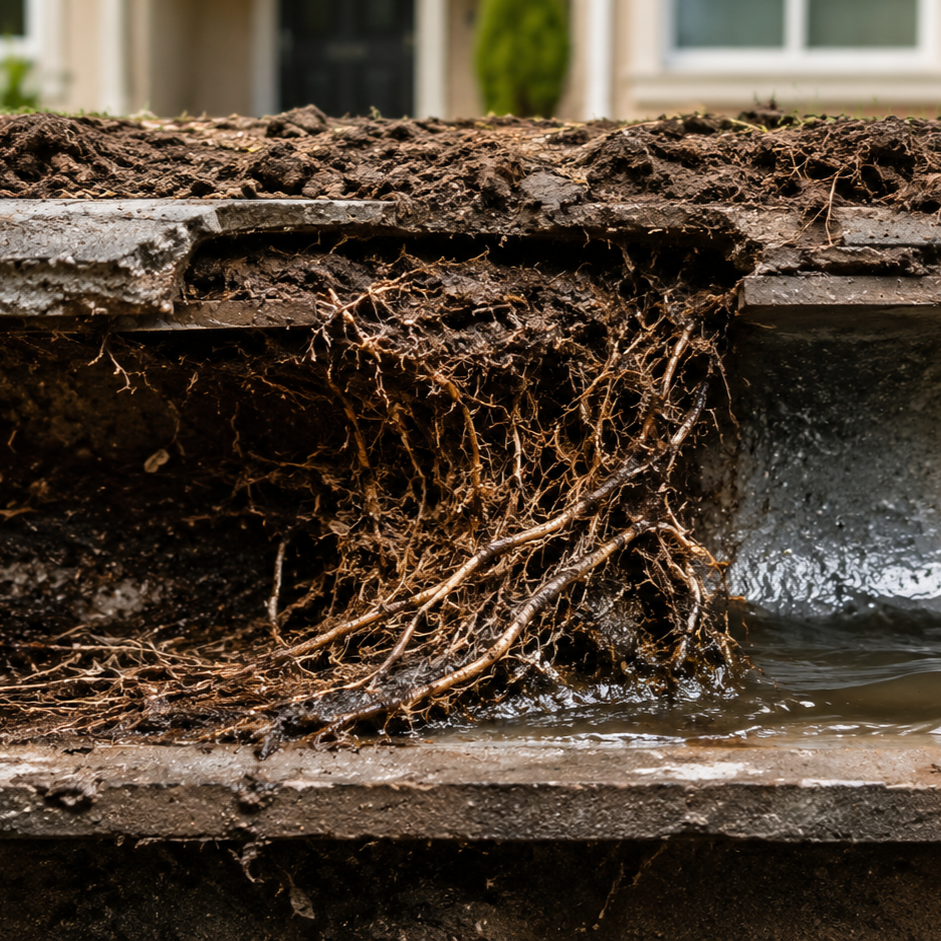
Quick Answer: Signs of a main sewer line problem include multiple drains throughout the house being slow or clogged at once, sewage backing up into drains or toilets (especially the lowest fixtures), gurgling sounds in drains or toilets, foul sewage odors indoors or in the yard, and wet, soggy, or unusually lush patches in the yard over the sewer line. Because the main sewer line carries all your home's wastewater, a problem with it affects the whole house — which is why multiple fixtures are involved rather than just one. Main line problems can be caused by clogs, tree roots, or pipe damage. These signs warrant prompt attention, since a main line problem can lead to messy, unhealthy backups.
When a single drain clogs, it's usually a local issue. But when problems show up across multiple drains or the whole house at once, the cause may be deeper — the main sewer line that carries all your home's wastewater away. A main line problem affects everything, and its signs are distinct from those of a simple clog. Recognizing them helps you catch a serious issue before it becomes a messy backup. Here's what to watch for.
Why Main Line Problems Affect the Whole House
The main sewer line is the single pipe that carries all the wastewater from your home — every sink, tub, shower, and toilet — out to the municipal sewer or septic system. Because everything drains through this one line, a problem with it affects the entire house, not just one fixture. This is the key to recognizing a main line issue: the signs involve multiple drains or the whole house, rather than a single drain. So if you're seeing problems across many fixtures at once, the main line is a prime suspect, whereas a single clogged drain is usually a local problem. Understanding this distinction helps you tell a main line problem from an ordinary clog.
Sign One: Multiple Slow or Clogged Drains
One of the clearest signs is multiple drains being slow or clogged at the same time. If sinks, tubs, showers, and toilets throughout the house are all draining slowly or backing up together, it points to the main line that they all share, rather than a clog in any one fixture's drain. A single slow drain is local; multiple drains slow at once is a strong indicator of a main line problem, because the shared line is what's affecting them all. So, whole-house slow drainage is a leading sign of a main sewer line issue and shouldn't be mistaken for a simple clog.
| Sign | Why it points to the main line |
|---|---|
| Multiple drains slow/clogged at once | Shared main line affects all fixtures |
| Sewage backing up into drains/toilets | Wastewater has nowhere to go |
| Gurgling in drains or toilets | Air trapped by a main line blockage |
| Foul sewage odors indoors or in yard | Sewage escaping or backing up |
| Wet, soggy, or lush patches in yard | Sewer line leaking underground |
Sign Two: Sewage Backups and Gurgling
Sewage backing up into drains or toilets — especially the lowest fixtures in the home, like a basement drain or first-floor toilet — is a serious sign of a main line problem. When the main line is blocked, wastewater has nowhere to go and backs up into the home, often appearing first at the lowest points. This is an urgent, unpleasant sign. Gurgling sounds in drains or toilets are a related, often earlier warning: as a main line blockage disrupts the flow, air gets trapped, and you hear gurgling. So backups and gurgling, particularly across multiple fixtures, strongly point to the main line and call for prompt attention before a full backup occurs.
Sign Three: Odors and Yard Signs
Two more signs point to the main line. Foul sewage odors — inside the home or outdoors in the yard — indicate sewage is escaping or backing up where it shouldn't, which can happen with a main line problem. And signs in the yard over the sewer line's path are telling: wet, soggy, or unusually lush, green patches in the yard can indicate the sewer line is leaking or broken underground, with the leaking sewage saturating and fertilizing the ground above. So odors and yard changes, especially over the sewer line's route, are signs the main line may be damaged or leaking. These outdoor and odor signs complement the indoor drainage signs in pointing to a main line issue.
Why You Shouldn't Wait
Main sewer line problems warrant prompt attention because they affect the whole house and can lead to messy, unhealthy sewage backups. A blocked or damaged main line will worsen, progressing from slow drains and gurgling to full backups of sewage into the home, which is a health hazard and a major mess to clean up. Main line problems can be caused by clogs, tree root intrusion into the pipe, or pipe damage or collapse, and these don't resolve on their own. Catching the signs early — multiple slow drains, gurgling, odors — lets you have the main line inspected and addressed before it backs up. Because main line issues are below ground and involve the home's primary sewer pipe, a professional is needed to diagnose the cause (often using a sewer camera) and clear or repair the line. Acting on the early signs prevents the worst outcomes.
Frequently Asked Questions
Signs include multiple drains throughout the house being slow or clogged at once, sewage backing up into drains or toilets (especially the lowest fixtures), gurgling sounds in drains or toilets, foul sewage odors indoors or in the yard, and wet, soggy, or unusually lush patches in the yard over the sewer line. Because the main line serves the whole house, these signs involve multiple fixtures rather than one.
Because they all share the main sewer line, and a problem with that shared line affects them all at once. A single slow drain is usually a local clog, but multiple drains slow or back up together point to the main line that carries all the home's wastewater. So, whole-house slow drainage is a strong indicator of a main sewer line problem rather than an issue with any one fixture.
Yes, it's a serious one. Sewage backing up into drains or toilets — especially the lowest fixtures like a basement drain — indicates the main line is blocked and wastewater has nowhere to go, so it backs up into the home. This is an urgent sign that calls for prompt attention. Gurgling sounds across fixtures often precede a backup, serving as an earlier warning of the same main line problem.
Main line problems can be caused by clogs (buildup blocking the line), tree root intrusion (roots growing into the pipe through joints or cracks and catching debris), or pipe damage or collapse. These obstruct or break the line that carries all the home's wastewater. Because they're below ground, diagnosing the cause often requires a sewer camera inspection, and they don't resolve on their own.
Wet, soggy, or unusually lush, green patches in the yard over the sewer line's path can indicate the sewer line is leaking or broken underground. Leaking sewage saturates and fertilizes the ground above, causing the wetness and lush growth. So yard changes along the sewer line route are a sign that the main line may be damaged, and, combined with indoor signs, they point to a main line problem needing attention.
Yes. Main line issues are below ground and involve the home's primary sewer pipe, so a professional is needed to diagnose the cause — often with a sewer camera — and clear or repair it. Because these problems affect the whole house and can lead to sewage backups, prompt professional attention is important. Catching the signs early and having the main line addressed prevents the worst outcomes.
Whole-House Signs Point to the Main Line
A main sewer line problem affects your entire home, so its signs — multiple slow or clogged drains at once, sewage backups (especially at the lowest fixtures), gurgling, sewage odors, and wet or lush patches in the yard — involve many fixtures rather than just one. Because main line problems worsen and can lead to messy, unhealthy backups, catching these signs early and having the line professionally inspected and cleared is how you avoid the worst. Whole-house drainage trouble is your cue to look at the main line.
Multiple slow drains, backups, or yard signs? — Get your main sewer line inspected and cleared before it backs up. Clog Squad serves Holland, Grand Rapids, Grand Haven. Call (616) 779-7675.
