
What Causes Sewage to Back Up Into the House?
A toilet gurgles when the washing machine drains. A tub fills with dark water instead of emptying. Sewage rises out of a drain that has never given anyone trouble before. None of this is random, and it is rarely about the one fixture where the mess shows up. Sewage backing up into a house almost always traces back to something happening downstream, in the pipe that carries wastewater away from every sink, tub, and toilet at once.
The Basic Mechanism Behind Every Backup
A home's drainage system relies on gravity. Every fixture ties into a network of pipes that all slope toward one main line, and that main line carries everything out to a municipal sewer or a septic system. As long as that path stays open, wastewater keeps moving in one direction, and nobody thinks about it.
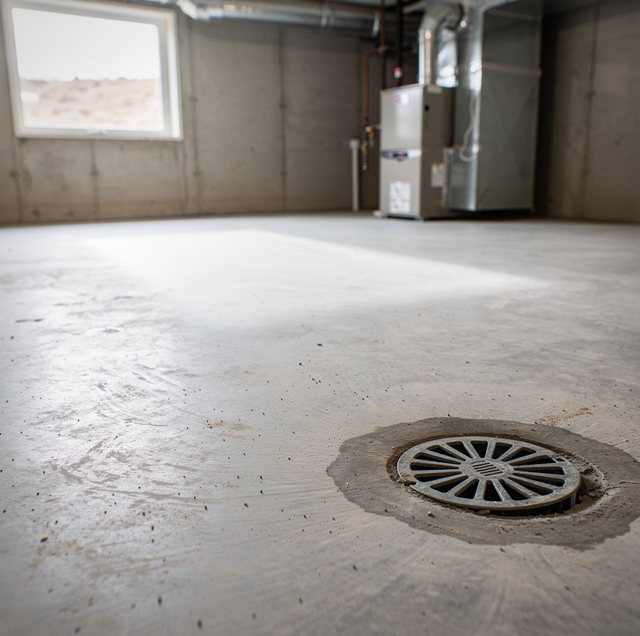
The trouble starts the moment something restricts that path. It could be a full blockage or just a narrowed one, but either way, water and waste behind the restriction have nowhere to go while more continues to arrive from every fixture in use. Pressure builds in the pipe, and that pressure looks for the easiest way out. In most houses, the easiest way out is whichever drain sits lowest in the system, since water follows the same downhill path it always has, just now in reverse. That is why a basement floor drain, a low-set toilet, or a tub on the ground floor often becomes the exit point even though the actual problem may be many feet away and nowhere near that fixture.
This single idea explains a wide range of backup patterns that otherwise look confusing. A clog near the kitchen sink can send sewage up through a downstairs toilet. A blockage close to the street can push water back through several fixtures in the house at once. The fixture where the mess appears is a symptom, not the cause, and treating only that symptom leaves the actual restriction untouched.
Common Causes Of A Sewage Backup
Several different problems can create the same restriction, and each one tends to leave its own pattern of clues.
Grease And Solid Buildup In The Main Line
Cooking grease, soap residue, and food particles do not always rinse cleanly through a pipe. Grease cools especially as it travels and hardens against the interior wall, and each additional pour adds another thin coating. Over months, that coating narrows the open channel until the line cannot keep up with normal household use. This kind of backup tends to build gradually, with drainage slowing over time before it fails outright, rather than working fine one day and failing the next.
Tree Root Intrusion
Roots grow toward moisture, and a sewer line carrying wastewater is an obvious target. Roots work their way in through a joint that has loosened or a hairline crack in an aging pipe, then spread into a mat that catches everything moving past it. Once a root mass is established, it only gets denser, so backups from this cause often start as minor slowdowns and steadily worsen over the season as the roots keep growing.
A Collapsed Or Bellied Section Of Pipe
Pipe does not last forever underground. Age, shifting soil, and freeze-thaw cycling through cold winters can crack a line, separate a joint, or cause a section to sag into a low spot known as a belly. A bellied section holds standing water and solids even when nothing is actively backed up, and that trapped debris makes the line far more likely to clog again and again. A telltale sign of this cause is a backup that returns quickly even after the line has just been cleared, since clearing removes the blockage but does nothing to fix the shape of the pipe underneath it.
Heavy Rain Overwhelming Shared Capacity
In some older neighborhoods, storm drainage and household wastewater share the same pipe system, or a home's own downspouts, footing drains, or a struggling sump feed extra water into the sanitary line. During a heavy rain, that combined volume can exceed what the system is built to carry, and sewage gets pushed back into the lowest fixtures connected to it. This cause is easy to identify because it tracks with weather rather than with indoor water use. The backup shows up during or right after a storm and does not necessarily repeat between rain events.
Items That Should Never Have Been Flushed
Toilets are built to handle waste and toilet paper, not much else. Wipes labeled "flushable," paper towels, diapers, sanitary products, and cotton swabs do not break down the way toilet paper does. They snag on any small imperfection in the pipe and catch everything that follows, building a blockage far faster than grease or roots typically do. This cause often produces a sudden backup rather than a gradual one, since it does not take long for a wad of non-breakable material to choke off a line once it lodges.
Is The Problem Inside The Home Or In The Municipal System?
Figuring out which side of the property line the restriction sits on changes both the urgency and who needs to get involved.
A few clues point to a problem in the home's plumbing. The backup happens every time water is run, not just during storms. Multiple fixtures gurgle or fill at once, particularly ones that are physically close together or share a common branch line. And the timing lines up with household activity: run the washing machine or take a long shower, and the lowest drain in the house reacts within minutes.
A few clues point the other direction, toward the municipal system. The backup happens with no unusual water use at all, sometimes even overnight while every fixture in the house has been sitting idle. Neighbors nearby may report the same issue around the same time, which is a strong sign that the restriction is in a shared municipal main rather than in the private line serving one house. Sewage appearing only during or right after very heavy rain, especially in an older area where storm and sanitary lines run together, also points toward a system-wide issue rather than something specific to one property.
A camera inspection settles the question when the clues are mixed. Feeding a waterproof camera down the line shows exactly where a restriction is located, what it looks like, and whether it falls on the homeowner's side of the connection or beyond. That footage removes the guesswork and points directly to the right fix, rather than a repair aimed at the wrong section of pipe.
What To Do The Moment It Happens
The first few minutes matter more than most people realize, mostly because it is easy to make the problem worse without meaning to.
Stop sending anything new down a drain. Every flush, every load of laundry, and every rinse adds water to a system that is already full, and all of it has to come back out somewhere. Turning off the water at the source, or at a minimum pausing any washing machine or dishwasher cycle in progress, helps prevent the situation from worsening while the actual cause is sorted out.
Treat any water that has backed up as contaminated until proven otherwise. Wastewater carries bacteria and other pathogens, and there is no reliable way to tell by looking whether a given puddle is groundwater or raw sewage. Keep people and pets away from it, avoid wading in or handling it directly, and skip any household cleanup method that involves bare-handed contact.
If the backup has reached anywhere near outlets, appliances, or an electrical panel, and it is safe to do so, cut power to the affected area at the breaker before anyone steps into standing water. Then call a professional who can clear the line, run a camera to confirm the actual cause, and recommend the right fix instead of a guess.
Preventing A Repeat
Once a line has been cleared, a few steps go a long way toward preventing the same problem from recurring.
A backwater valve installed on the main line acts as a one-way gate. It stays open for normal outward flow and closes automatically if water tries to push back in from the municipal side, making it one of the few fixes that specifically target a system-wide backup rather than a private-line issue. Regular camera inspection is worth scheduling for any home with an older sewer line, since it can catch a hairline crack, a small root intrusion, or the early stage of a bellied section long before any of it causes a backup. And simple disposal habits, keeping grease, wipes, and anything other than toilet paper out of the drains, remove two of the most common causes before they ever get the chance to start.
None of these steps eliminate the risk of every possible cause, since some factors, like a municipal main under strain during a major storm, sit outside anyone's control. But together, they address preventable causes, which cover most of what actually sends sewage back into a house in the first place.
Frequently Asked Questions
Because that drain sits at the lowest point the backed-up water can reach. When a downstream restriction prevents wastewater from moving forward, the water rises in the pipe network and surfaces at the opening offering the least resistance, usually the lowest fixture connected to that line. The fixture itself is rarely the cause; it is simply where the pressure finds an exit.
Timing and pattern are the best clues. A backup that occurs every time water is used and affects multiple fixtures on the same branch usually points to a restriction in the home's own line. A backup that shows up with no water use at all, especially if neighbors report something similar, more often points toward the municipal side. A camera inspection can confirm exactly where the restriction sits when the pattern is not clear either way.
A plunger applied to a fixture that is actively backing up sewage from further down the line usually pushes contaminated water elsewhere rather than clearing anything, since the real restriction sits well past the fixture itself. Chemical treatments carry similar limits and can be unsafe to use around standing wastewater. The more effective step is to stop additional water use and have the actual line cleared and diagnosed, rather than treating the symptom at the surface.
Not always. A clog from grease, roots, or flushed material is the most common cause, but heavy rain overwhelming shared drainage capacity, or a municipal main under strain, can produce the same symptom without any blockage on the property at all. That is why identifying the pattern, whether it tracks with water use or with weather, matters before assuming the fix is a simple clearing of the line.
It depends heavily on the cause. Grease and root intrusion tend to build gradually, with drainage getting a little worse over weeks or months before it fails. Flushed wipes or other non-breakable material can go from fine to fully blocked in a single use, since it takes very little material to choke off a line once it lodges in one spot. A drain that has started slowing down is worth having checked before it reaches the point of a full backup.
No single fix covers every cause. A backwater valve is designed to prevent water and sewage from backing up from the municipal side of the connection, so it addresses that cause well. It does nothing to prevent a clog from grease, roots, or flushed material building up inside the home's own line, which still calls for routine maintenance and mindful disposal habits to keep from happening in the first place.
Call for 24-hour sewer backup service — get the line cleared, camera-inspected, and the real cause identified before it happens again. Clog Squad serves Holland, Grand Rapids, and Grand Haven. Call (616) 779-7675.
