
When Cast Iron Pipes Need Milling Instead of Replacement
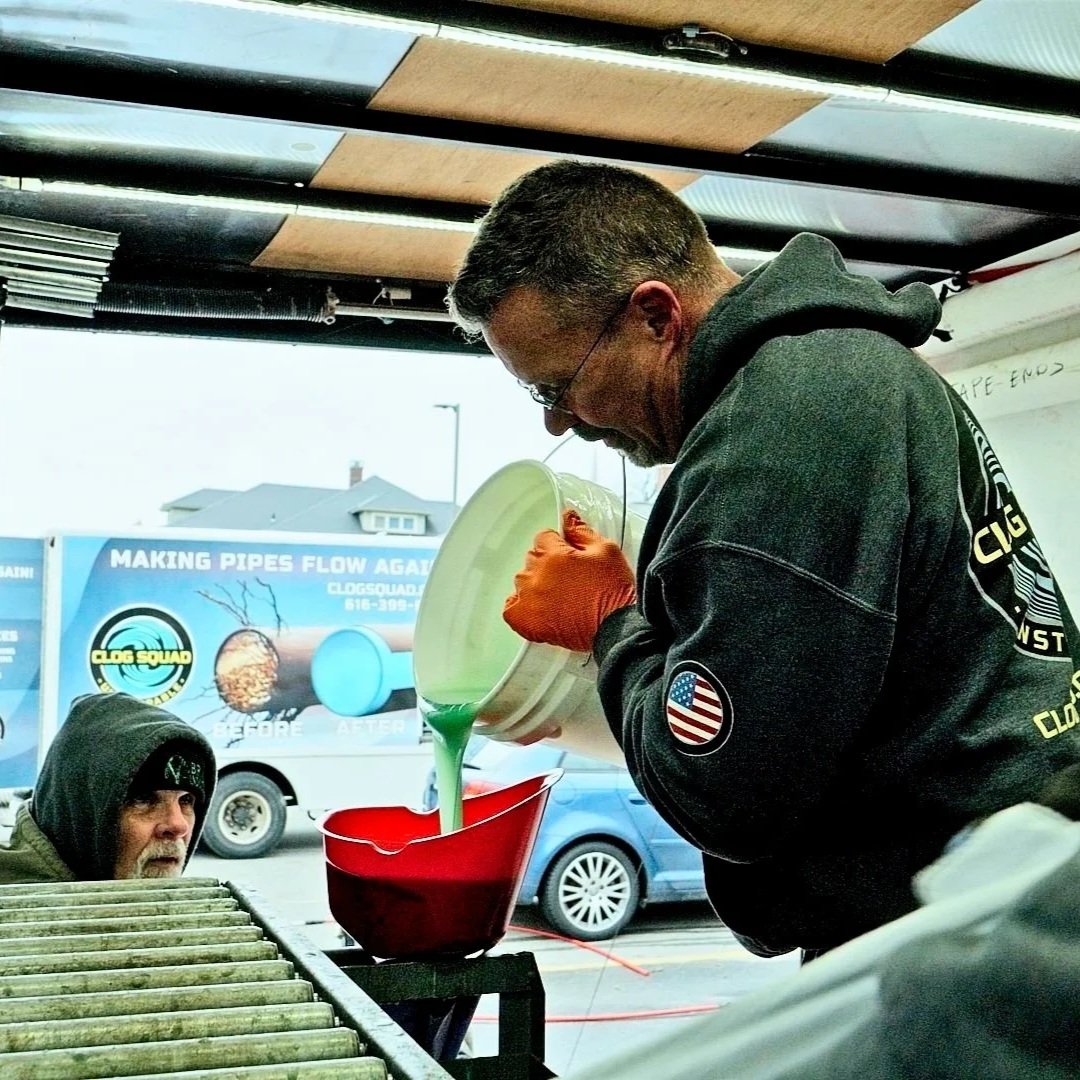
Technician performing cast iron pipe milling to remove internal corrosion and restore full sewer line flow capacity.
Cast iron pipes have a reputation for strength and longevity, and in many buildings, that reputation is well earned. Decades-old systems still function today, quietly moving wastewater without much attention. Problems arise when age, corrosion, and buildup begin to narrow the pipe from the inside. Homeowners and property managers often hear the word replacement as soon as cast iron issues surface, but full replacement is not always necessary or even appropriate. In many cases, milling provides a practical, less disruptive alternative that restores function without tearing the building apart.
Milling focuses on removing internal deterioration rather than removing the pipe itself. It addresses scale, corrosion, and tuberculation that restrict flow and cause recurring issues. Understanding when milling makes sense requires knowing how cast iron fails, how buildup behaves over time, and how pipe structure differs from pipe interior condition. The distinction matters because many cast iron pipes appear structurally sound while performing poorly due to internal damage that can be corrected without replacement.
How Cast Iron Pipes Deteriorate From The Inside Out
Cast iron pipes rarely fail all at once. Internal corrosion begins slowly as wastewater, oxygen, and minerals interact with the pipe surface. Over time, this reaction creates scale and rough deposits that cling to the interior walls. These deposits reduce pipe diameter and create turbulence that traps debris. The pipe may still look intact from the outside while suffering significant internal restriction.
As corrosion progresses, tuberculation forms. These hardened, mound-like growths protrude into the flow path, creating choke points that worsen with each passing year. Water velocity increases around these obstructions, accelerating wear and encouraging more buildup downstream. Symptoms such as slow drains, frequent clogs, and backups often appear long before the pipe loses structural integrity. Milling targets this internal deterioration directly, removing the material that interferes with performance while leaving the pipe shell in place.
Why Replacement Is Often Suggested Too Quickly
Replacement is sometimes recommended because it permanently removes uncertainty. A new pipe eliminates corrosion, restores full diameter, and removes all risk associated with aging materials. However, replacement also introduces significant disruption, cost, and risk, especially in occupied homes or commercial buildings. Walls, floors, and slabs often need to be opened, and repairs can cascade into other trades.
In many cases, replacement is suggested without fully evaluating whether the pipe has actually lost its structural strength. A pipe that is thick enough and free of cracks may still be a strong candidate for restoration. When internal corrosion is the primary issue, and the pipe walls remain sound, milling offers a way to regain performance without unnecessary demolition. Choosing a replacement without exploring milling can result in avoidable expense and disruption.
What Pipe Milling Actually Does Inside Cast Iron Lines
Milling uses specialized tools to mechanically remove hardened scale and corrosion from inside cast iron pipes. Rotating heads grind away buildup, smoothing the interior surface and restoring usable diameter. Unlike snaking, which clears only a narrow path, milling works against the pipe walls, addressing the source of the restriction.
The process is controlled and deliberate. Tools are selected based on pipe size, corrosion severity, and layout. Milling does not thin healthy pipe material when performed correctly. Instead, it removes deposits that no longer belong to the pipe. After milling, the interior surface becomes smoother, improving flow and reducing the likelihood of debris catching in the future. The result is a pipe that functions closer to its original design capacity.
When Milling Makes More Sense Than Full Replacement
Milling is most appropriate when cast iron pipes show internal deterioration but remain structurally intact. Camera inspections often reveal heavy scale and corrosion without cracks, collapses, or severe wall loss. In these situations, replacement addresses a problem that has not yet occurred, while milling addresses the actual cause of poor performance.
Properties with limited access also benefit from milling. Multi-story buildings, slab foundations, and historic structures often make replacement invasive and costly. Milling allows restoration through existing access points, minimizing disruption. For owners planning renovations or future upgrades, milling can extend the system's usable life and buy time without committing to an immediate replacement.
How Milling Restores Flow And Reduces Recurring Clogs
Internal buildup creates resistance, slowing water movement. Slower flow allows solids to settle, increasing the frequency of clogs. Milling removes these obstructions, restoring smoother flow paths and reducing turbulence. Wastewater moves more predictably, carrying debris with it rather than allowing it to accumulate.
This improvement often resolves multiple symptoms at once. Fixtures drain more consistently, backups become rare, and odors diminish as organic material no longer sticks to rough surfaces. Milling addresses the underlying hydraulic issue rather than treating each clog as an isolated event. The system becomes more stable and easier to maintain.
Why Milling Is Often Paired With Hydro Jetting
Milling and hydro jetting complement each other. Milling removes hardened scale and corrosion that water pressure alone cannot eliminate. Hydro jetting flushes loosened material out of the system and cleans remaining residue from the pipe walls. Together, they provide a more complete restoration than either method alone.
Jetting after milling clears debris that grinding tools dislodge, preventing downstream accumulation. It also smooths remaining surfaces and verifies that flow has been fully restored. This combined approach maximizes the effectiveness of restoration and improves long-term performance without resorting to replacement.
How Inspections Determine Whether Milling Is Viable
Camera inspections play a critical role in determining whether to mill or replace. Inspectors evaluate pipe thickness, joint condition, and overall structural integrity. Surface corrosion alone does not disqualify a pipe from milling. Cracks, separations, or severe deformation do.
Inspection footage also reveals whether corrosion is uniform or localized. Uniform buildup often responds well to milling. Localized damage may require spot repairs or partial replacement. Accurate diagnosis prevents inappropriate treatment and helps owners make informed decisions based on actual pipe condition rather than assumptions.
Why Milling Does Not Fix Structural Failures
Milling restores interior condition, not structural integrity. Pipes with significant wall loss, fractures, or collapse cannot be saved solely through milling. Removing internal buildup from a compromised pipe risks accelerating failure.
This limitation underscores the importance of proper evaluation. Milling should only be performed when the pipe shell can support itself after restoration. When structural issues dominate, replacement or lining becomes necessary. Milling remains a valuable option within its appropriate scope, not a universal solution.
How Milling Extends The Life Of Cast Iron Systems
By removing corrosive buildup, milling slows further deterioration. Clean pipe surfaces experience less turbulence and fewer pressure spikes. Wastewater flows evenly, reducing stress on joints and bends. These conditions help preserve the remaining pipe material.
For many properties, milling extends system life by years or even decades. It allows owners to plan future upgrades strategically rather than reacting to emergencies. This extended service life provides flexibility and financial breathing room without sacrificing reliability.
Why Older Homes And Buildings Are Good Candidates
Older properties often feature cast-iron systems installed when materials were thicker and craftsmanship emphasized durability. While these pipes develop internal corrosion over time, their walls may remain strong. Milling capitalizes on this durability by removing the internal damage while preserving the strong outer shell.
Historic buildings, in particular, benefit from non-invasive solutions. Preserving original structures while restoring modern functionality aligns with both practical and preservation goals. Milling supports this balance by improving plumbing performance without altering the building fabric.
How Milling Reduces The Need For Frequent Maintenance Calls
Recurring clogs often stem from rough interior surfaces that catch debris. Milling smooths these surfaces, reducing adhesion points and improving self-cleaning flow. As a result, maintenance intervals lengthen, and emergency calls become less frequent.
Owners notice improved reliability rather than temporary relief. The system behaves consistently, allowing normal use without constant concern. This stability is a key advantage of milling over reactive cleaning methods that address symptoms but not causes.
Why Milling Is Not A Temporary Fix When Done Correctly
Milling removes material that should not be present inside the pipe. Unlike chemical treatments or surface-level cleaning, it produces a lasting change in pipe condition. While no cast iron pipe lasts forever, milling restores function in a meaningful way rather than delaying failure briefly.
When combined with appropriate maintenance and realistic usage expectations, milled pipes perform reliably for extended periods. The process addresses deterioration comprehensively, making it a legitimate restoration method rather than a stopgap.
How Owners Should Think About Milling Versus Replacement Decisions
Choosing between milling and replacement involves weighing condition, access, cost, and long-term plans. Milling is suitable when performance is compromised, but the structure remains sound. Replacement is appropriate when structural failure is present or imminent.
Understanding these distinctions empowers owners to ask better questions and avoid unnecessary work. Milling is not about avoiding replacement forever. It is about using the right tool at the right time based on evidence rather than fear.
FAQs
How Do Technicians Know If Cast Iron Pipes Can Be Milled?
+Camera inspections assess wall thickness, cracks, and deformation to determine whether the pipe is structurally sound enough for milling.
Does Milling Weaken Cast Iron Pipes?
+When performed correctly, milling removes corrosion and scale without thinning healthy pipe material.
How Long Do Milled Cast Iron Pipes Typically Last?
+Service life varies by age and environment, but milling can extend usability by many years when combined with proper maintenance.
Is Milling Less Expensive Than Full Replacement?
+Milling typically costs significantly less than replacement, especially when access is limited and demolition would be extensive.
Can Milling Be Done In Occupied Buildings?
+Yes. Milling is far less disruptive than replacement and can usually be completed without major demolition or displacement.
