
Why Laundry Drain Backups Often Point to a Main Line Issue
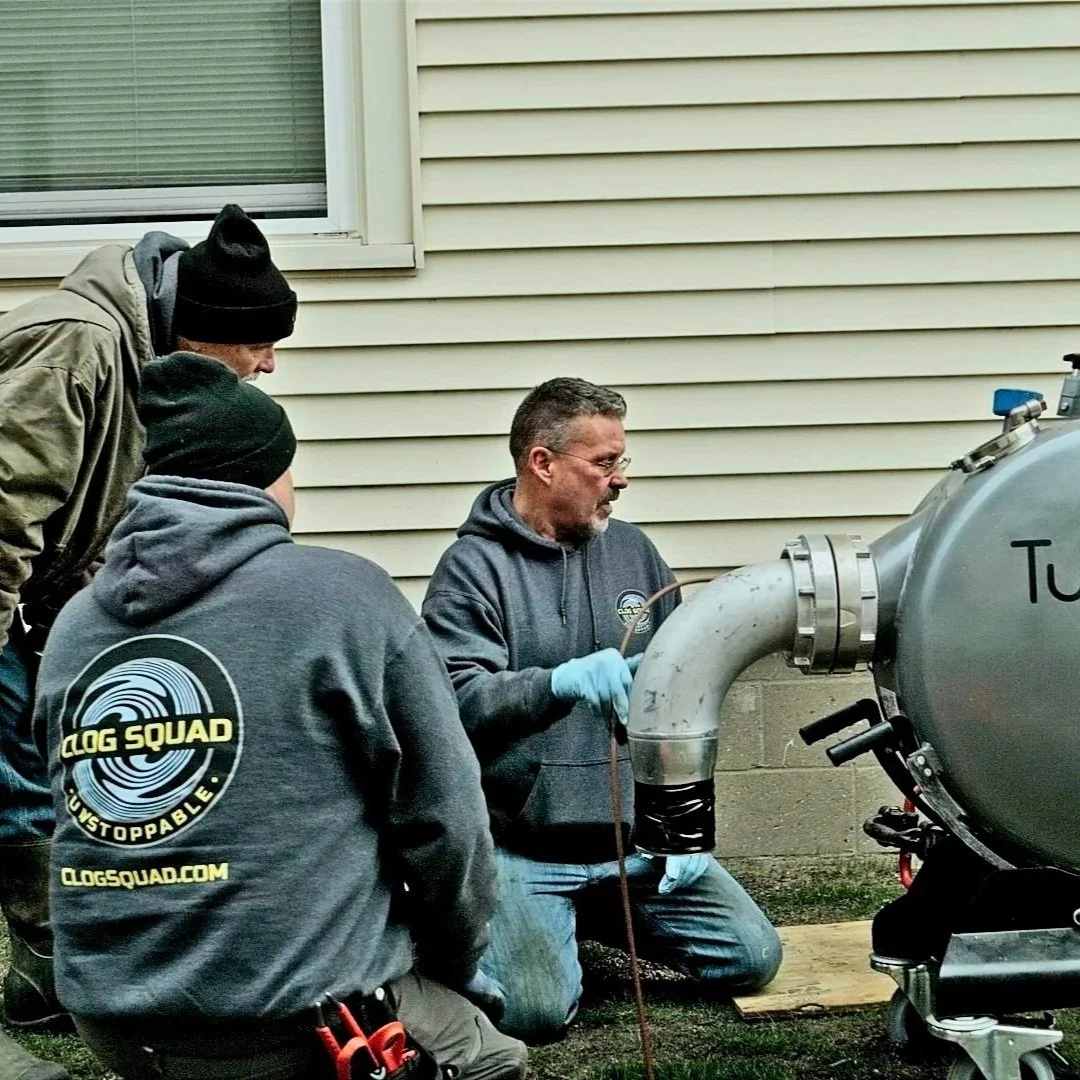
Technicians diagnosing laundry drain backup by inspecting and cleaning main sewer line to restore proper high-volume water flow.
Homeowners who experience laundry drain backups often assume the problem originates from the washing machine or a small clog near the drain. In reality, frequent backups are commonly a sign of a more significant issue in the main sewer line. Understanding why laundry drains are particularly sensitive to mainline problems requires examining how household plumbing interacts with solids, lint, and water flow, as well as recognizing early warning signs of systemic plumbing concerns. Observing these issues over time reveals patterns that can help homeowners address issues before they escalate into costly repairs.
Laundry drains handle large volumes of water mixed with detergent, dirt, and lint. While washing machines are designed to expel water quickly, main lines carry the combined flow from multiple drains in the home to the municipal sewer or septic system. Any obstruction or damage in the main line affects all connected fixtures, but laundry drains often display symptoms first. The high water volume combined with the dense mass of fibers from clothing can trigger backups, slow drainage, or even cause water to back up into floor drains or utility sinks. Recognizing the connection between the laundry drain and the main line is essential for proper troubleshooting.
How Lint and Debris Contribute to Backup Symptoms
Lint may appear harmless when collected in the washing machine's filter, but significant amounts are carried down the drain with wastewater. In smaller branch lines, this lint usually passes through without issue. However, when main line obstructions are present, flowing fibers can accumulate at constriction points, exacerbating existing blockages. Unlike food particles or grease, lint clumps together in large, fibrous mats that resist breakdown over time. These mats can trap other debris, dirt, and soap scum, forming partial barriers that slow drainage in multiple areas of the home simultaneously.
The accumulation of lint is further complicated by its interaction with other materials in the main line. Tree roots, mineral deposits, and old pipe corrosion create irregular surfaces inside pipes where fibers can cling. Over time, these accumulations reduce the effective diameter of the pipe, causing noticeable slowdowns or repeated backups during laundry cycles. Homeowners may notice that other drains, such as sinks or showers, drain slowly as well. Still, the laundry area often experiences the most pronounced symptoms due to the volume of water expelled during wash cycles.
Main Line Obstructions and Their Impact on Household Plumbing
Blockages in the main sewer line affect more than just the laundry drain. A clogged or damaged main line creates a bottleneck that prevents water from moving efficiently from branch lines to the municipal sewer or septic system. Laundry drains are particularly vulnerable because washing machines push large amounts of water at once, which can overwhelm partially blocked pipes. Symptoms may include gurgling noises from floor drains, slow draining in sinks and tubs, and occasional backups into laundry tubs or nearby fixtures. Recognizing these signs early can prevent more severe damage, including overflowing fixtures or contaminated water reaching living areas.
Main line obstructions may result from multiple factors. Tree roots infiltrating cracks in older pipes are a common culprit, causing gradual blockages. Grease, though less common in laundry drains than kitchen drains, can still accumulate from soaps, detergents, and oily residues from clothing, further narrowing pipe passages. Ground shifts or settling foundations may damage pipes and create areas where water pools, encouraging debris accumulation. Understanding these mechanisms explains why main line issues manifest in laundry drains before other parts of the home show visible symptoms.
Signs That Point to a Main Line Problem
Several indicators suggest that a laundry drain backup is symptomatic of a main line problem. Recurrent slow drainage or periodic backups in multiple fixtures are one of the clearest signs. Unlike a localized clog, which affects a single drain, main line issues disrupt flow throughout the system. Foul odors emanating from floor drains, toilets, or the laundry area may indicate trapped waste in the sewer line. Additionally, gurgling or bubbling in drains when other fixtures are used indicates air being forced through the water in branch lines, a classic warning of a partial obstruction in the main line.
Visual observation of the plumbing system also helps homeowners identify potential problems. Water backing up into laundry tubs or utility sinks during heavy washing cycles, particularly when other drains are used simultaneously, strongly suggests a main line obstruction. Intermittent backups that appear after rain or increased water use may also indicate a partial blockage compounded by infiltration from soil or tree roots. Recognizing these warning signs allows for timely intervention, preventing more extensive damage and reducing the need for emergency repairs.
How Pipe Age and Material Influence Laundry Drain Vulnerability
The age and material of plumbing pipes play a significant role in main line problems. Older pipes made from clay, cast iron, or early PVC versions are more susceptible to corrosion, cracking, and joint separation. Over time, these weaknesses create entry points for roots, silt, and other debris, gradually reducing the pipe's carrying capacity. Modern PVC or ABS pipes are more resistant to corrosion and root intrusion, but are still vulnerable to blockages caused by accumulated lint, sediment, and foreign objects. Recognizing the type and condition of your main line helps inform maintenance and repair decisions.
Laundry drains are particularly sensitive to these vulnerabilities because they discharge water in large, concentrated volumes. When old or damaged pipes fail to withstand surges, water can back up quickly, revealing problems that may have been developing unnoticed in other parts of the system. Pipe material also affects the method of clearing blockages; older cast iron or clay pipes often require specialized techniques such as hydro jetting or sectional replacement, while modern PVC may allow for snaking or enzymatic treatment. Understanding these distinctions informs the appropriate approach to both diagnosis and resolution.
The Role of High Water Volume in Laundry Drain Backups
Washing machines discharge water in short bursts, creating peak flows that exceed the capacity of main lines. If the main line is partially blocked or narrowed, these bursts can exceed the pipe's capacity, forcing water to back up into lower-lying drains. Laundry rooms are often located on the lowest floor or basement, making them the first point of visible impact when flow is restricted. This is why laundry drain backups frequently precede backups in sinks or showers elsewhere in the home.
Repeated high-volume discharges can also accelerate deterioration in compromised main lines. Water rushing through narrowed or damaged sections increases pressure and may erode deposits, dislodge debris suddenly, or stress pipe joints. This can lead to intermittent backups, sudden slow drainage, and in some cases, leaks or pipe bursts. Recognizing that the washing machine's high water output interacts with existing vulnerabilities underscores the importance of timely maintenance and professional assessment when recurring backups occur.
Preventive Maintenance for Main Lines
Preventing laundry drain backups starts with maintaining the main line. Regular inspection using cameras or professional assessments can detect root intrusions, cracks, or early blockages before they cause noticeable symptoms. Homeowners can also take steps to reduce debris entering the main line, such as using high-quality lint traps, avoiding disposal of foreign objects down laundry drains, and periodically flushing the system with hot water or approved enzymatic cleaners. Consistent attention to these details reduces the likelihood of major blockages and prolongs the lifespan of the plumbing system.
In addition, understanding seasonal factors can guide maintenance schedules. Roots grow more during spring and summer, increasing the likelihood of intrusion into older clay or cast-iron pipes. Water usage patterns, such as frequent laundry cycles or simultaneous use of multiple fixtures, may exacerbate weaknesses in the main line. By proactively scheduling inspections and maintenance during lower-risk periods, homeowners can mitigate issues before they escalate, avoid costly emergency repairs, and protect their home's plumbing infrastructure.
When Professional Intervention Is Necessary
While minor clogs in branch lines can often be cleared with DIY techniques like snaking or enzymatic cleaners, laundry drain backups caused by main line issues almost always require professional intervention. Plumbers have access to specialized tools such as hydro jetting, sewer cameras, and augers designed for main line cleaning. These techniques not only remove blockages but also provide insight into the underlying condition of the main line, identifying cracks, root intrusion, or deterioration that could lead to future backups.
Professional intervention is also crucial for preventing recurring issues. Main line problems left partially addressed may temporarily relieve symptoms but allow debris to accumulate again. A thorough assessment and maintenance plan, including potential pipe replacement or reinforcement, provides long-term resolution. Homeowners who delay professional intervention often experience worsening backups, damage to appliances and floors, and higher repair costs, highlighting the importance of promptly and comprehensively addressing main line concerns.
Long-Term Consequences of Ignoring Main Line Issues
Ignoring laundry drain backups linked to main line problems can cause extensive damage over time. Water can back up into living spaces, causing structural damage, mold growth, and contamination with bacteria or other pathogens. Appliances such as washing machines may be subject to unexpected changes in water pressure, shortening their lifespan or causing malfunctions. The risk of emergencies, such as full sewer backups, increases significantly with every ignored warning sign, resulting in costly repairs and potential health hazards for occupants.
Main line deterioration also affects overall home value and reliability. Prospective buyers are often wary of homes with recurring plumbing issues, particularly if maintenance history is unclear. Regular maintenance and timely repairs not only preserve the functional integrity of the plumbing system but also protect the investment homeowners have made in their property. Recognizing the long-term implications of neglecting main line problems reinforces the importance of early detection and proactive management, especially in areas like laundry rooms, which are highly sensitive to backup symptoms.
FAQs
Why Does My Laundry Drain Back Up Even When Other Drains Work Fine?
+Partial blockages in the main line often impact laundry drains first because washing machines discharge large volumes of water quickly. Even if other drains appear normal, the main line may already be compromised.
Can Lint Alone Cause Main Line Clogs?
+Lint contributes to clogs by combining with existing debris or narrowing pipes, but it rarely causes main line blockages on its own. It becomes problematic when paired with roots, grease, or mineral buildup.
How Can I Tell if a Backup Is Due to a Main Line Issue?
+Recurrent backups in multiple fixtures, gurgling noises, foul odors, and water pooling in lower-level drains are indicators of main line problems rather than localized clogs.
Is DIY Maintenance Effective for Main Line Problems?
+Minor debris removal may help temporarily, but main line issues usually require professional tools and inspection to identify and fully address blockages or structural damage.
How Often Should Main Lines Be Inspected?
+A general guideline is every two to three years, but older homes, frequent laundry use, or signs of slow drainage may warrant annual inspections to prevent serious backups.
