
Why Kitchen Drains Clog Faster Than Others and How Grease Plays a Role
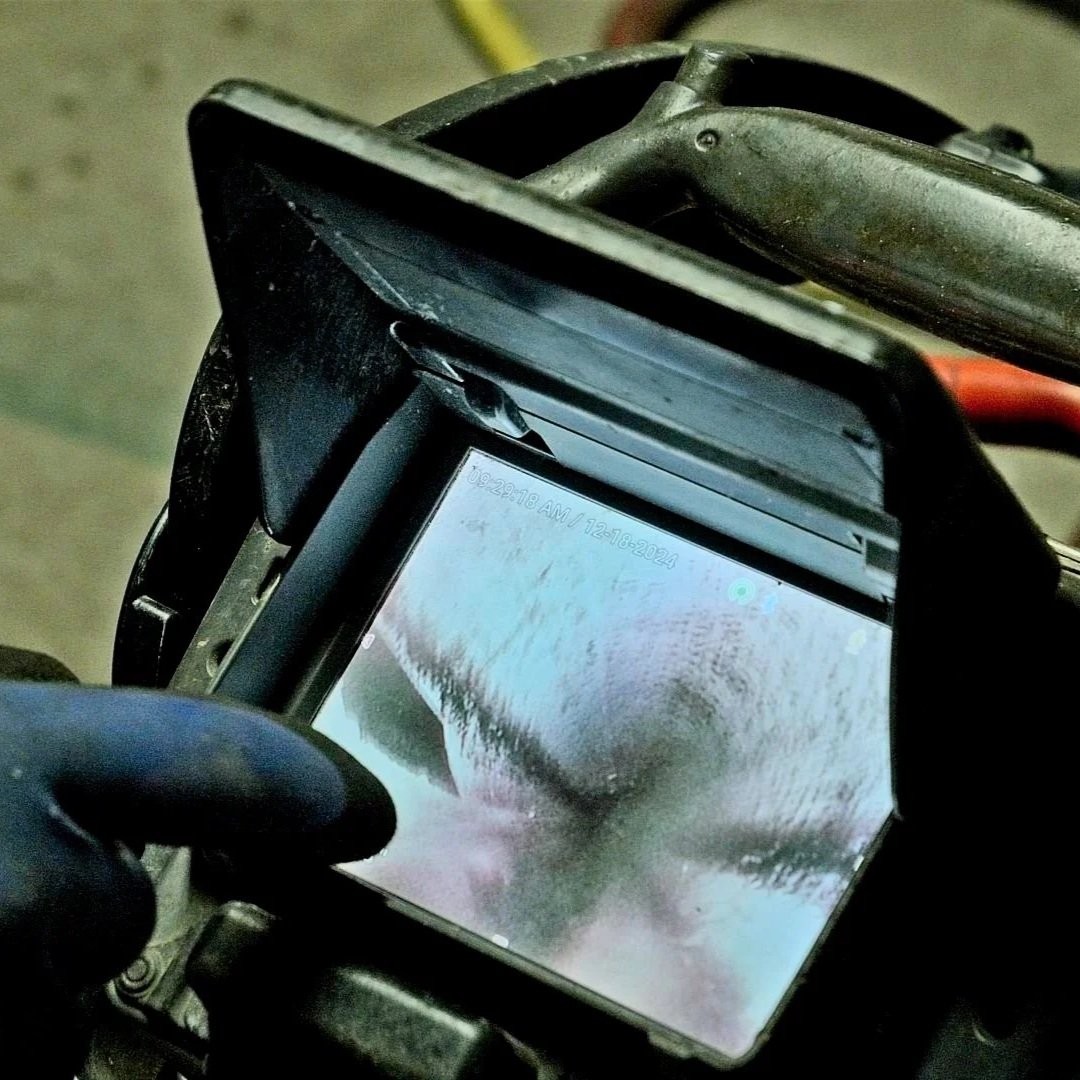
Technician reviewing sewer camera footage to identify grease buildup causing recurring kitchen drain clogs and restricted pipe flow.
Homeowners often notice that some drains seem to get blocked more frequently than others, with kitchen sinks topping the list. Unlike bathroom or laundry drains, kitchen drains handle a unique mix of water, food particles, and, perhaps most importantly, fats and oils. These substances interact in ways that gradually reduce the diameter of pipes, slowing water flow and creating the perfect environment for stubborn clogs. Observing how this process unfolds in a real household can provide insight into why kitchen drains are particularly prone to issues and highlight how routine habits directly influence plumbing performance over time.
The kitchen's role as a hub for food preparation means drains are exposed to everything from pasta starches to tiny bits of vegetable peelings. While some of these particles pass through the plumbing system without issue, others combine with sticky residues, particularly fats and grease, and adhere to pipe walls. Unlike water-soluble substances, grease solidifies as it cools. When warm grease goes down the drain, it may appear harmless, but as it encounters cooler pipe surfaces farther along the plumbing system, it gradually hardens. This slow accumulation is often invisible until water movement slows or a full blockage occurs.
How Grease Buildup Impacts Drain Flow
Grease buildup is the primary culprit behind frequent kitchen drain clogging. When fats and oils cool, they stick to pipes, creating a layer that attracts food particles, soap scum, and even hair. Over time, these layers narrow the pipe's passage, restricting water flow and increasing pressure in the plumbing system. A drain that once cleared a plate of soapy water with ease may start to gurgle and drain slowly. Left unchecked, the accumulated buildup may harden enough to cause a complete obstruction that requires professional intervention to remove.
Beyond slowing drainage, grease buildup contributes to unpleasant odors and can encourage bacterial growth. The congealed fat provides a surface for microorganisms to thrive, which may create foul smells emanating from the sink. Homeowners sometimes mistake these odors for issues with food waste or garbage disposals, but in reality, they signal a systemic accumulation of grease in the pipes. This bacterial layer, combined with trapped food particles, can also lead to pipe corrosion over the years of neglect, compounding the risk of leaks or more extensive plumbing repairs.
Common Kitchen Habits That Accelerate Clogs
Certain kitchen habits can inadvertently make drain clogs worse. Pouring leftover cooking oil, salad dressings, or meat drippings down the sink may seem convenient, but it accelerates grease buildup inside pipes. Even seemingly small contributions, like rinsing a pan coated with butter or cooking spray, add layers to existing deposits. Over time, these routine practices create a dense matrix of fats and debris that water alone cannot flush. Understanding which habits are harmful allows homeowners to make small adjustments that significantly extend the life of their plumbing system.
Other factors include the use of garbage disposals and high-volume dishwashing. While disposals help break down food particles, they do nothing to remove fats and oils. In fact, finely ground food can adhere to congealed grease, compounding the problem. Running hot water after using a disposal provides only temporary relief, as it may melt a thin layer of grease temporarily, but cannot remove established deposits farther down the pipe. Recognizing that behavior in daily routines directly contributes to clogged drains helps homeowners take preventive measures before problems escalate.
How Drain Design Influences Clogging
Kitchen drain design also affects the frequency of blockages. Standard plumbing configurations often include sharp bends, P-traps, and long horizontal runs, creating areas where grease and debris naturally accumulate. The combination of gravity, pipe geometry, and water flow speed means some sections of the system experience slow-moving water, giving fats time to solidify. Pipes that are narrower or made from older materials, such as cast iron or early-generation PVC, are especially susceptible. The design itself cannot be changed easily, but awareness of its impact informs maintenance decisions.
Horizontal pipe runs in particular provide surfaces where grease can adhere undisturbed. Every time warm water carrying oil flows through, some portion cools and sticks to the bottom of the pipe. Over weeks and months, even minor amounts accumulate to form significant obstructions. Bends in the pipe act as natural catch points, further slowing water and exacerbating the problem. Recognizing these vulnerable areas can help homeowners target preventive cleaning measures, whether through manual clearing, enzymatic treatments, or simply altering how waste is disposed of in the sink.
Seasonal and Environmental Factors That Affect Grease Accumulation
Environmental factors can also influence how quickly grease clogs a kitchen drain. In colder climates, pipes that run through unheated spaces like basements or crawl spaces experience lower temperatures that accelerate the solidification of fats. Even in warmer climates, long stretches of horizontal piping allow oils to cool before reaching the main sewer line. The frequency of kitchen use, cooking type, and the volume of greasy foods prepared can all interact with these environmental factors, resulting in a range of outcomes for homeowners. Understanding these interactions helps explain why some homes experience repeated drain issues while others remain relatively trouble-free.
Additionally, water quality plays a subtle but important role. Hard water, with high mineral content, can combine with soap residues and grease to create stubborn films that adhere to pipe walls. These deposits not only narrow the pipe but also make it more difficult to clear blockages using standard methods. Homeowners in areas with particularly hard water may notice their kitchen drains clog faster, even when they follow good disposal habits. Accounting for these local conditions allows homeowners to tailor maintenance strategies that address the underlying causes rather than just the symptoms.
Effective Preventive Practices
Preventing kitchen drain clogs begins with controlling what goes down the sink. Pouring grease into a separate container for disposal or recycling prevents it from entering the plumbing system, and straining leftover solids from dishes before washing reduces the material that can adhere to pipes. Regularly flushing drains with hot water mixed with mild detergent or vinegar can help dissolve minor deposits before they become significant. These practices take a small amount of time but significantly reduce the frequency of clogs, saving homeowners from costly repairs and inconvenient disruptions.
Regular mechanical or enzymatic maintenance can also play a role. Plumbers often recommend periodic snaking or hydro-jetting to remove buildup from the inside of pipes. Enzyme-based drain cleaners introduce bacteria or enzymes that naturally digest fats and organic matter without the corrosive effects of chemical alternatives. While these measures are not a one-time solution, consistent use as part of a routine schedule maintains the integrity of the plumbing system and reduces the risk of emergency blockages. Over the years, these preventive steps have combined to create a much more reliable kitchen drainage system.
Garbage Disposal Misconceptions and Drain Health
Garbage disposals are frequently misunderstood as a catch-all solution for kitchen waste. In reality, they only process solid food particles and do not remove grease or oils. Grinding food particles into smaller pieces may even worsen a clog if those particles adhere to grease-coated pipe walls. Some homeowners mistakenly rely on hot water and dish soap to flush grease down the drain, assuming this method keeps pipes clear. While hot water temporarily melts fats, it does not remove the layer already present farther down the system, allowing clogs to re-form quickly.
Educating homeowners on proper disposal habits is critical to maintaining kitchen drain health. Treating the disposal as a tool for solids, not liquids or grease, is key. Combining careful disposal practices with mechanical and enzymatic maintenance guarantees the system performs reliably for years. Understanding the limitations of common kitchen tools and techniques prevents repeated mistakes that can lead to costly blockages, reinforcing the idea that proactive behavior is always more effective than reactive measures once a drain is already clogged.
Long-Term Consequences of Ignoring Grease Buildup
Ignoring grease buildup has consequences that extend beyond slow drainage. Over time, hardened fats contribute to pipe corrosion, leaks, and in extreme cases, complete pipe failure. Blockages can create backflow, introducing contaminated water into sinks and potentially damaging appliances connected to the plumbing system. For homeowners, these scenarios result in costly repairs and significant disruption, particularly in older homes with weaker plumbing infrastructure. Addressing grease accumulation early mitigates the risk of these long-term issues and preserves the integrity of the entire system.
Furthermore, untreated buildup can have downstream effects in municipal sewer systems. In multi-unit buildings, one apartment's improper disposal practices may contribute to larger blockages known as fatbergs, which are difficult and expensive to remove. While homeowners cannot control every aspect of municipal plumbing, awareness of their personal contributions encourages responsible behavior that benefits both their own property and the broader community. Preventive measures taken today can prevent more extensive problems tomorrow.
Recognizing Warning Signs Before They Escalate
Homeowners can identify early warning signs that kitchen drains are beginning to clog. Slow drainage, gurgling sounds, and occasional backflow indicate that grease and debris are accumulating inside pipes. Odors emanating from the sink or disposal suggest bacterial growth on hardened fats. Observing these symptoms early allows homeowners to intervene before a complete blockage occurs, either with DIY maintenance techniques or professional plumbing assistance. Ignoring these signs often results in emergencies requiring intensive repairs.
Being proactive involves both observation and action. Regular visual checks, combined with routine preventive measures such as hot-water flushes and straining food debris, help maintain the system's flow. Recognizing patterns in how and when clogs occur provides insight into specific vulnerabilities in the household plumbing system. Tailoring preventive strategies to these insights maximizes their effectiveness and reduces the risk of recurring problems. Over time, consistent attention creates a resilient kitchen drainage system that minimizes inconvenience and repair costs.
FAQs
Why Do Kitchen Drains Clog Faster Than Bathroom Drains?
+Kitchen drains deal with a combination of fats, oils, and food particles that are absent in bathroom drains. These substances adhere to pipe walls and accumulate over time, creating clogs more quickly than drains handling only water, soap, and hair.
Can Hot Water Alone Clear Grease Buildup?
+Hot water may temporarily melt a thin layer of grease, but it cannot remove established deposits in the pipes. Regular mechanical cleaning or enzymatic treatments are necessary to fully address grease buildup.
Are Garbage Disposals Effective Against Grease Clogs?
+Garbage disposals break down solid food particles but do not remove grease or oils. Using a disposal improperly can worsen clogs if food particles adhere to existing grease layers in the pipes.
What Everyday Habits Contribute Most to Kitchen Drain Clogs?
+Pouring cooking oils, butter, or meat drippings down the sink, combined with frequent use of disposals without straining solids, accelerates grease buildup and clog formation. Simple changes in disposal habits can significantly reduce problems.
How Can Homeowners Prevent Long-Term Pipe Damage From Grease?
+Regularly removing food solids, disposing of fats separately, and using enzyme-based cleaners or mechanical maintenance prevent buildup. These steps protect pipes from corrosion, leaks, and blockages over time.
