
Why Does My Drain Gurgle When I Run Another Fixture?
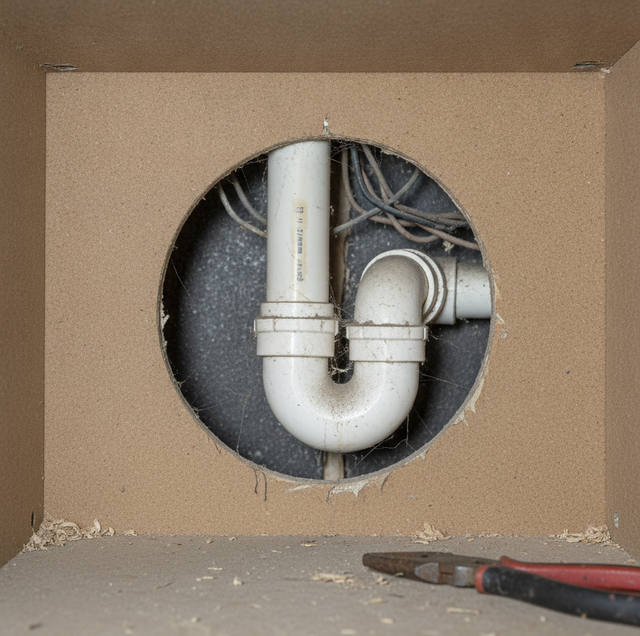
You flush the toilet, and the shower drain answers back with a low glug-glug. Or you run the washing machine and the kitchen sink gurgles like something is trapped down there. It is the plumbing version of one room hearing another, and it usually means the pipes are not breathing the way they should.
That gurgle is not random noise. It is air being pulled or pushed through a place it should not be, and it points at one of two problems in the drain system. Reading which one you have is the first step to quieting it.
Your Drains Need to Breathe
Here is the piece most people never think about. A drain system is not just pipes carrying water down; it is also a network of vent pipes that let air in, usually running up through the roof. Every fixture has a curved trap that holds a little water to block sewer gas, and the vents let air into the pipes so draining water does not have to suck that trap water out to move. When everything works, water flows down, and air flows in through the vent, and the traps stay full and quiet.
The gurgle happens when the system cannot get the air it needs from the vent, so it grabs air the only other way it can: by pulling it backward through another fixture's trap. That glug is the sound of air being dragged through the water in a nearby trap. So a gurgle in fixture B when you run fixture A means A could not breathe properly and borrowed air from B.
The Two Usual Causes
Almost every "one fixture makes another gurgle" complaint comes down to a blocked vent or a partial clog, and they feel a little different.
A blocked or restricted vent is the classic cause. The vent pipe that comes out of your roof can get plugged with leaves, a bird or animal nest, or debris, or it can frost or ice over. With the vent choked, draining water cannot pull fresh air from above, so it pulls it sideways through another trap instead. The tell is that the gurgling shows up when a big volume of water drains, like a toilet flush or a washer discharge, and it often comes with slow drainage and sometimes a whiff of sewer smell.
A partial clog in a shared drain line does the same thing by a different route. When a branch or the main line is partly blocked with grease, roots, or buildup, water backing up against that restriction pressurizes the line and forces air out through the nearest trap, or pulls it as it finally drains past. If the gurgle is paired with water rising in a tub or toilet, multiple slow fixtures, or backups, a clog deeper in the system is the likely culprit.
| What you notice | Most likely cause | What it points to |
|---|---|---|
| Gurgle only on big drains (toilet, washer) | Blocked or restricted vent | Vent pipe on the roof needs clearing |
| Gurgle plus slow drains house-wide | Partial clog in the main line | Shared line is restricted |
| Gurgle plus water rising in tub/toilet | Developing main-line blockage | Approaching backup, act soon |
| Sewer smell with the gurgle | Vent issue or a trap losing its seal | Venting or drying trap |
Why the Local Sewers Make It Worse
In an area with older sewer infrastructure, the partial-clog version of this problem is common for a specific reason. Aging clay and cast iron lines crack and shift over decades, and those cracks are exactly where tree roots find their way in, seeking the moisture inside. A root mass in the line acts like a net, catching grease and debris and gradually restricting flow, which is the ideal setup for water to back up and gurgle. So a gurgling drain in an older home is often the first audible sign of a root or buildup problem developing down in the main line, well before it becomes a full backup.
Why It's Worth Chasing Down
A gurgle is easy to ignore because the water still goes down, but it is a warning worth heeding. If it is a vent problem, clearing the vent restores proper airflow, quiets the system, and protects the trap seals that keep sewer gas out of the house. If it is a partial clog, the gurgle is an early sign of a blockage that tends to worsen, and catching it before it causes a backup is far easier than dealing with sewage on the floor. A drain camera can pinpoint a root intrusion or buildup so it gets cleared at the source rather than guessed at.
Simple Things to Check First
Before you call anyone, a couple of quick checks can narrow it down or even solve it. If the gurgle and a faint sewer smell come from a drain you rarely use, its P-trap may have simply dried out, letting air and gas move where the water seal used to block them. Run water down that drain for a minute to refill the trap, and the gurgle often stops. If you can safely reach the roof vent, look for leaves, a nest, or debris capping it. A plunger on a single slow drain can shift a small partial clog. If none of that quiets the drains, or the gurgle comes with slow drainage or backups across the house, the cause is deeper in the vent or the main line and needs a pro.
Frequently Asked Questions
Not usually in the moment, but it is a signal not to ignore. If the water still drains and there is no backup, you have time to have it looked at. If the gurgle comes with water rising in a tub or toilet, slow drains everywhere, or a sewage odor, a blockage is developing and warrants prompt attention before it causes a backup.
Because the washer dumps a large volume of water quickly, if the system cannot pull enough air through the vent, it pulls air back through the toilet's trap, which you hear as a gurgle. It usually points to a blocked vent or a partial clog in the line they share. Consistent gurgling in big drains is worth checking.
Sometimes. If it is a simple vent blockage from leaves or a nest, and you can safely reach the roof vent, clearing it may resolve the issue. If the gurgle comes with slow drains or backups, the cause is likely a clog or roots deeper in the line, which needs proper equipment and often a camera to find. Chemical drain cleaners rarely fix a vent or root problem.
The vent lets air into the drain system so water can flow without siphoning the traps. When it is blocked, draining water cannot get air from above and instead pulls it through another fixture's trap, causing a gurgle and sometimes emptying a trap enough to let sewer gas in. Clearing the vent restores normal airflow.
Heavy rain can flood or further restrict a marginal vent or a cracked, root-filled sewer line, tipping a small problem into an audible one. If gurgling shows up or worsens after storms, it often points to a vent issue or a compromised main line taking on water. It is a common sign in older systems.
A one-time gurgle might, but a recurring one usually will not, because the underlying vent block or clog does not clear itself. Roots keep growing, debris keeps collecting, and a nest stays put. Recurring gurgling is the system telling you something is restricted, and it tends to progress rather than resolve.
Listen to What the Gurgle Is Telling You
A drain that gurgles when another fixture runs is a plumbing system struggling to breathe, either because a vent is blocked or because a clog is restricting a shared line. Neither fixes itself, and the clog version tends to grow into a backup if left alone. Figure out which one you have from the pattern, clear the vent or the line at its source, and your drains go back to doing their job quietly.
If your drains are gurgling and you suspect roots or a clog in the line, a camera inspection finds it fast. Clog Squad serves Holland, Grand Rapids, Grand Haven, and West Michigan. Call (616) 779-7675 to schedule.
