
Are Liquid Drain Cleaners Bad for Pipes? The Hidden Cost
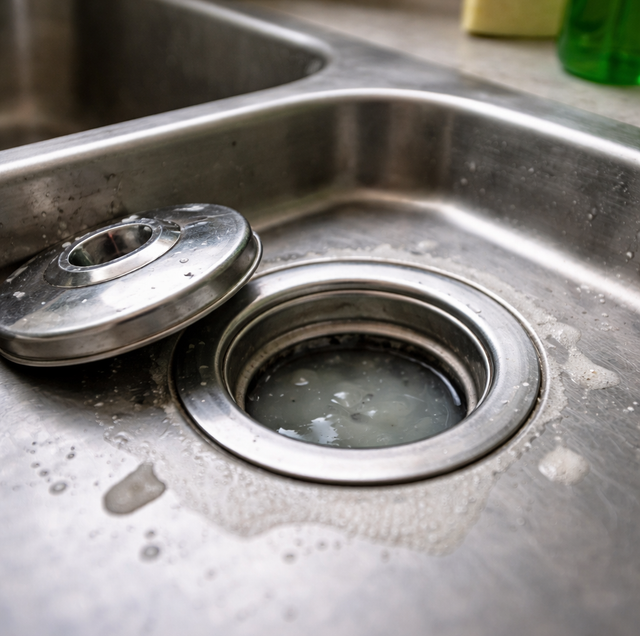
A slow sink or a gurgling shower drain sends most people to the store for a bottle of liquid drain cleaner. Pour it in, wait, flush, and the water moves again. The problem is that the same chemistry making the water drain also works against the pipe carrying it, and it rarely touches the reason the drain clogged in the first place.
Quick Answer: Liquid drain cleaners clear clogs by triggering a heat-producing chemical reaction that dissolves organic gunk. That heat and the caustic or acidic liquid also attack pipe walls, seals, and joints, and the cleaner often pools on a solid blockage without clearing it. Mechanical clearing removes the clog at the source without cooking the pipe.
How Chemical Drain Cleaners Actually Work
Almost every liquid drain cleaner sold works the same basic way: it starts a chemical reaction that breaks down the greasy, hair-bound, food-and-soap mess sitting in the pipe. The reaction gives off heat, and that heat speeds the breakdown of organic material. Grease, hair, and soap scum are the usual targets, and a strong enough reaction turns them into softer sludge that water can push through.
The heat is not a side effect the makers try to avoid. It is part of the design. A warmer reaction dissolves organic matter faster, so the bottle can promise results in fifteen or thirty minutes. That speed is the selling point, and it is also the risk, because the reaction cannot tell the difference between the clog and the pipe holding it.
There are three broad families, and they clear a drain in different ways.
Caustic cleaners use lye (sodium hydroxide) or potassium hydroxide. They are strongly alkaline and break down the clog, turning grease into a soap-like substance in a reaction that also gives off heat. Most of the thick, drain-labeled products on a shelf fall in this group.
Oxidizing cleaners use bleach, peroxides, or nitrates. They break the clog down by stripping electrons from it, which generates heat and gas and rots the organic material apart.
Acidic cleaners use sulfuric or hydrochloric acid and are the most aggressive of the three. They are often sold to plumbers rather than stocked on the main aisle, and they generate intense heat as they attack a blockage.
Why the Same Reaction That Clears the Clog Harms the Pipe
Once you know the reaction runs on heat and a strong chemical, the damage becomes easy to picture. The cleaner does not aim. It reacts with whatever it can, and your pipe is right there.
Heat and PVC: Plastic drain lines soften as they warm. A strong caustic or acidic reaction sitting in one spot can raise the temperature enough to soften, warp, or weaken PVC and ABS, especially at a joint where the wall is already thinner and glued. A pipe that has been heat-stressed once may not fail today, but it becomes the weak point that leaks or cracks later.
Corrosion in metal pipes: Older homes often run on galvanized steel, cast iron, or copper. Caustic and acidic cleaners eat at these metals directly. Repeated doses thin the pipe wall from the inside, and thinning is invisible until a pinhole or a full break shows up. A drain that has been dosed for years is often more fragile than its age alone suggests.
Seals, gaskets, and glue: Rubber gaskets, compression seals, and solvent-welded joints are softer than the pipe itself, so they degrade first. A cleaner that leaves the pipe looking fine can still cook a gasket into brittleness, and the leak that follows shows up at the joint, not the middle of a run.
Here is the part the label leaves out: dissolving the clog does not remove the cause. If grease is building because of how a kitchen line runs, or if roots are entering a cracked sewer joint, the chemical clears a channel and the clog rebuilds within weeks. You get a repeating cycle of pours, and each pour adds more wear to the pipe.
Why Liquid Cleaners Fail on the Clogs That Matter Most
Chemical cleaners work best on a partial clog made of soft organic gunk, like early grease or a hair wad in a bathroom sink. They struggle badly on the blockages that send people looking for help.
A full clog stops the cleaner cold. The liquid is heavier than water, so it sinks and sits on top of a solid blockage instead of soaking through it. The reaction happens at the surface of the clog and against the pipe wall around the standing liquid, which is the worst possible place for the heat to land. The clog barely moves, and the pipe takes the full dose.
Root intrusion and heavy grease masses in a main line are mechanical problems, not chemical ones. A tangle of tree roots inside a sewer joint is woody and dense, and a jug of cleaner cannot dissolve it. A hardened grease mass has a tough outer skin that shrugs off a surface reaction. The cleaner pools, cools, and does nothing but wait for you to deal with it.
The Danger of a Drain That Is Half Cleared
The most hazardous outcome is not a clog that stays put. It is a drain that clears partway and leaves a pipe full of caustic or acidic liquid sitting above a slow blockage.
Now the fixture holds a reservoir of chemical. Anyone who reaches in, runs the disposal, or starts plunging can send that liquid splashing back up. Caustic and acidic solutions cause serious burns to skin and eyes on contact, and the splash risk is highest exactly when a frustrated homeowner escalates to a plunger or a hand-crank snake.
Never plunge or snake a drain that still holds chemical: Plunging drives the liquid back at your face, and pushing a metal snake into a caustic pool can splash it out of the drain and up the tool. If a cleaner has been poured and the drain has not fully cleared, the safe move is to stop and let the drain rest, wear eye protection, and keep the area clear of children and pets until it is handled.
Never combine drain products: Mixing a bleach-based cleaner with an acidic one, or adding a second bottle of a different type, can release chlorine or other toxic gases into a closed bathroom or kitchen. One product at a time, ever, and only in a ventilated space. If a plumber is coming, tell them exactly what was poured and when, so they can protect themselves before they open the line.
What Actually Fixes a Clog at the Source
Clearing a drain is a mechanical job. The goal is to physically remove the blockage, not to cook a channel through it, and two methods do that well.
Drain snaking and augering: A cable-driven snake or auger feeds a flexible line into the pipe until it reaches the clog, then breaks it apart or hooks it out. It works on hair, grease, foreign objects, and light root intrusion, and it does the job without pouring anything corrosive into the line. Because it reaches the actual blockage, it treats the cause rather than melting a temporary path around it.
Hydro-jetting: For heavy grease, scale buildup, or roots in a main line, a jetter sends water through a specialized nozzle at high pressure and scours the full inside of the pipe clean. It clears the blockage and strips the residue that would rebuild the next clog, which is why it lasts far longer than a chemical pour. A camera inspection usually pairs with it so the blockage gets identified before anything runs.
Think of a chemical pour as trying to burn a footpath through a snowdrift with a hair dryer: you might melt a narrow tunnel, but the drift is still there, and the ground underneath takes the heat. Snaking and jetting shovel the drift out of the way.
Safer first steps at home: Before anything corrosive, a few low-risk moves clear many minor clogs. A good cup plunger builds pressure that can dislodge a soft blockage. Very hot (not boiling) water down a kitchen drain can loosen fresh grease. Enzyme-based drain maintainers use bacteria and enzymes to slowly digest organic buildup, and because they are not caustic, they are safe to use monthly as prevention rather than as an emergency fix. If those do not work, the drain is telling you the clog is past a DIY reach, and that is the point to bring in mechanical clearing instead of escalating to stronger chemicals.
Frequently Asked Questions
No. Toilets are not designed for the standing chemical reaction these products create. A toilet holds water in the bowl, so a poured cleaner sits against the porcelain and the wax ring seal at the base rather than draining through. The heat can craze the glaze and degrade the wax seal, and a toilet clog is almost always a solid object or paper mass that a closet auger clears in minutes. Reach for the auger, not the bottle.
Enzyme maintainers are gentle enough for regular use because they rely on bacteria rather than a caustic reaction, but they work slowly, and only on organic matter, so they are prevention, not rescue. Give them several hours, usually overnight, with no water running. They will not touch a solid object, a collapsed pipe, or roots, so if a drain is fully stopped, an enzyme product will not clear it no matter how much you use.
It matters a great deal, and it is often impossible to know from above the floor. Homes built or re-plumbed at different times mix materials, so one drain may be PVC while the main is cast iron. Old cast iron and galvanized steel corrode fastest under caustic and acidic products, and thin-walled or previously repaired sections fail first. Because you usually cannot see which material a given line uses, treating every drain as vulnerable is the safer assumption.
It should not sit at all. The instruction to "wait and flush" assumes the drain clears; if it does not, the chemical keeps reacting against the pipe wall the entire time it stands, so a longer wait means more damage, not more clearing. A drain that has not moved after the labeled time is a signal to stop, not to wait longer or add more. Flush it through carefully with plenty of water if the drain still runs at all, and get it looked at.
It can. A septic tank relies on a living bacterial colony to break down waste, and a caustic or oxidizing cleaner poured down the drain can kill off that colony when it reaches the tank. A dead or weakened bacterial balance slows the whole system and can lead to backups and expensive tank issues. Homes on septic should avoid chemical drain products entirely and lean on mechanical clearing and enzyme maintenance instead.
It can if the underlying cause is still there, which is why the method matters. A quick snake punches a hole through a grease or root clog and restores flow, but if it leaves a coating of grease on the pipe wall or a root still growing into a cracked joint, the clog rebuilds. Hydro-jetting scours the wall clean so there is less for the next clog to grab, and a camera inspection finds a cracked or root-invaded section that needs a repair rather than another clearing. Fixing the cause is what keeps it from returning.
Skip the corrosive guesswork and clear it mechanically — one call gets the clog removed at the source, not cooked into your pipes. Clog Squad serves Holland, Grand Rapids, and Grand Haven. Call (616) 779-7675.
